








Your voice.
Europe's Future Policy Economy Climate Education Security Laws Relations
- Maximilian Schlenker
- EU Court of Justice, European Commission
- Tizian Stocker
- European Commission, European Council, Inside Europe
- Tizian Stocker
- Inside Europe
- Maximilian Schlenker
- EU Court of Justice, European Council
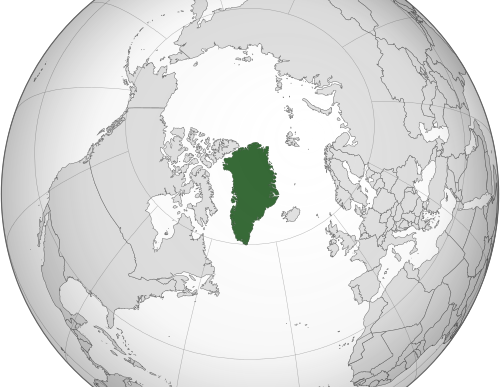
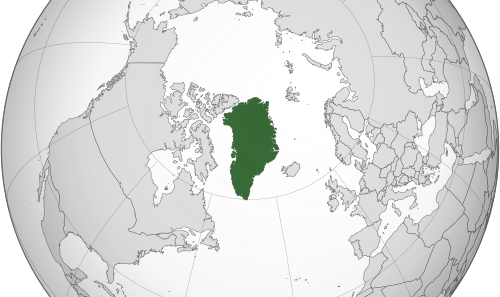
Greenland and Europe’s Power Gap
The Arctic accord protects self-determination while shaping the security choices of a future state.
October 21, 2026
Navigating a World of Friction: Inside the EU’s Strategic Trade Pivot
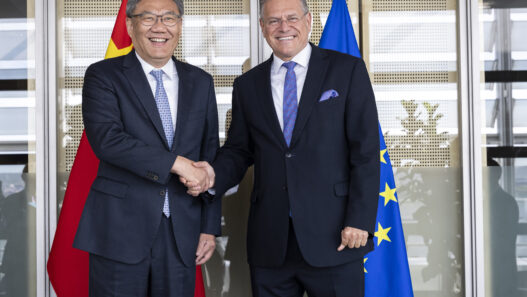
The EU pivots toward diversified trade for greater economic resilience.
October 20, 2026
October 19, 2026




September 14, 2026

September 11, 2026



Quick Briefs from last week
·Foreign Policy·Middle East Relations·Rule of Law·Security·Arab Israelis·Benjamin Netanyahu·Gadi Eisenkot·Israel·Naftali Bennett·Parliamentary Elections·Settler Violence·Yair Lapid
·Foreign Policy·Middle East Relations·Rule of Law·Security·Arab Israelis·Benjamin Netanyahu·Gadi Eisenkot·Israel·Naftali Bennett·Parliamentary Elections·Settler Violence·Yair Lapid
Israel Votes: Security, Democracy and Exclusion ↗︎
Israel’s 27 October election will test Netanyahu’s leadership amid disputes over security, democratic freedoms, Arab political participation and growing international isolation.
→Update (27.10.2026): Poll Tracker: Israeli public broadcaster Kan provides an overview of party polling ahead of the 2026 Knesset elections (Kan News)
→Update (26.10.2026): Commentary: Former Israeli peace group leader warns that West Bank annexation policies could continue even if Netanyahu loses power (EUObserver)
→Update (26.10.2026): Explainer: Reuters profiles the leading candidates ahead of Israel’s parliamentary election (Reuters)
→Update (25.10.2026): Analysis: Israel’s election could challenge Brussels and Washington even under a more centrist leader (EUObserver)
→Update (25.10.2026): News: Israel to close West Bank crossings on election day as security crackdown intensifies (BBC)
→Update (24.10.2026): News: Israel expands military operations across the occupied West Bank after two soldiers killed, displacing around 1,200 Palestinians in Hebron (Reuters)
→Update (23.10.2026): Interview: Beth Oppenheim, Policy Fellow at the European Council on Foreign Relations (ECFR), argues that Netanyahu’s departure would not reverse Israel’s right-wing nationalist shift (EUObserver)
→Update (23.10.2026): News: Israeli forces begin demolishing Palestinian buildings in Hebron after two Israeli soldiers are shot dead (BBC News)
→Update (23.10.2026): Analysis: ECFR explores competing visions of Israel’s identity, security and political future (ECFR)
→Update (23.10.2026): Profile: Gadi Eisenkot offers security-focused alternative to Netanyahu ahead of Israeli elections (Reuters)
→Update (22.10.2026): Commentary: Israel’s security-driven shift challenges its liberal democracy ahead of elections (ECFR)
→Update (21.10.2026): Commentary: Netanyahu’s election campaign promotes fortress mentality amid Israel’s growing international isolation (Le Monde)
→Update (21.10.2026): Commentary: Can Israel break free of Netanyahu as Hungary did of Orbán? (EUobserver)
→Update (21.10.2026): News: Israelis abroad fly home to vote as opposition seeks to unseat Netanyahu (The Japan Times)
→Update (20.10.2026): News: Israel’s Ben-Gvir could gain electoral support as young voters turn to the far right (Reuters)
→Update (19.10.2026): Analysis: Deepfakes, bots and AI-driven disinformation raise concerns ahead of Israel’s elections (DW)
→Update (19.10.2026): Arab parties could hold balance of power in Israeli election as Ra’am fields Jewish candidate (Reuters)
→Quick Brief:
→Netanyahu faces former military chief Gadi Eisenkot’s centrist Yashar party and former premier Naftali Bennett’s Together list with Yair Lapid. Neither camp is assured a majority
→Leading contenders reject coalitions with Arab-led parties, despite their potentially decisive seats. This sidelines Arab Israelis and complicates government formation
→Settler violence exposes political differences: after settlers attacked European diplomats on 17 October, Eisenkot condemned “Jewish terror,” while Netanyahu’s office warned against premature conclusions
→War and fears over Israel’s democratic direction have driven some Israelis abroad. The election raises questions about security, civil liberties and international standing, though leadership change alone may not resolve them
→Sources: European Parliament Research Service, AP, Financial Times
→Transparency Note: Use of AI
·Europe in the world·Geopolitics·Latin America·Brazil·BRICS·European Union·Flávio Bolsonaro·Jair Bolsonaro·Luiz Inácio Lula da Silva·Presidential elections·Strategic Autonomy·USA
·Europe in the world·Geopolitics·Latin America·Brazil·BRICS·European Union·Flávio Bolsonaro·Jair Bolsonaro·Luiz Inácio Lula da Silva·Presidential elections·Strategic Autonomy·USA
Brazil Presidential Election: Lula Wins Second Round, Bolsonaro Junior Refuses Result ↗︎
Brazil voted on 25 October in the second round of a presidential election between competing political and foreign-policy visions, with implications for the country’s relations with Europe, the United States, China and BRICS.
→Update (27.10.2026): Analysis: Lula’s re-election preserves a key EU partner on climate policy, trade and democratic cooperation (EUObserver)
→Update (27.10.2026): News: Flávio Bolsonaro’s Liberal Party recognises Lula’s election victory despite its candidate’s refusal to concede (Reuters)
→Update (26.10.2026): Analysis: Lula Faces Difficult Fourth Term with Right-Wing Dominated Congress (Reuters).
→Update (26.10.2026): News: Investors anticipate market reversals following Lula’s re-election in Brazil (Reuters)
→Update (26.10.2026): News: Flávio Bolsonaro refuses to recognise Lula’s re-election victory in Brazil (Reuters)
→Update (26.10.2026): News: Lula wins re-election in historic Brazilian presidential run-off, setting stage for political confrontation (POLITICO)
→Update (24.10.2026): Investigation: Meta faces allegations of favouring Flávio Bolsonaro through algorithmic recommendations while restricting Lula’s accounts during Brazil’s presidential election campaign (Folha de S.Paulo, 16.10.2026, Folha de S.Paulo, 24.10.2026)
→Update (24.10.2026): News: Bolsonaro and Lula clash over living costs and corruption in final Brazilian presidential election debate (Reuters)
→Update (24.10.2026): Analysis: How Brazil’s changing working class is reshaping the presidential race (BBC News)
→Update (23.10.2026): News: Datafolha poll shows Flávio Bolsonaro and Lula nearly tied ahead of Brazil’s presidential runoff (Reuters)
→Update (22.10.2026): News: Bolsonaro unlikely to derail EU-Mercosur trade deal, but Brussels could (Rapporteur)
→Update (19.10.2026): News: Lula and Flávio Bolsonaro clash in heated presidential debate (Euronews)
→Update (05.10.2026): Analysis: Bolsonaro Jr.’s advance against Lula raises EU concerns over Brazil-Mercosur alliance (EUobserver)
→Update (04.10.2026): News: Flávio Bolsonaro leads Lula as Brazil heads to a runoff (POLITICO)
→Update (03.10.2026): Analysis: Brazil’s cliffhanger election could cost EU a key Latin American ally (EUobserver)
→Quick Brief:
→President Luiz Inácio Lula da Silva faces Flávio Bolsonaro, son of former President Jair Bolsonaro, as the two leading candidates in a field of 12. A runoff will follow on 25 October if no candidate wins a majority
→Lula has pursued strategic autonomy, maintaining relations with Europe and China while strengthening Brazil’s role in BRICS and the Global South
→Bolsonaro represents a different direction, with his campaign associated with closer political alignment with Donald Trump’s United States and the wider conservative movement
→For Europe, the election could shape relations with Latin America’s largest economy, including cooperation on trade, climate and the EU-Mercosur partnership, as Brazil navigates competition between Washington and Beijing
→Sources: Brazilian Electoral Court (TSE), Reuters, POLITICO Europe
→Transparency Note: Use of AI
·Inside Europe·CDU·Federal Convention·Friedrich Merz·Germany·Greens·Ilse Aigner·Presidency·SPD
·Inside Europe·CDU·Federal Convention·Friedrich Merz·Germany·Greens·Ilse Aigner·Presidency·SPD
German Conservatives Split Over Presidency ↗︎
Germany’s CDU and CSU remain divided over a presidential nominee as Ilse Aigner attracts support beyond the conservative alliance.
→Succession: The Federal Convention elects Germany’s next president on 30 January 2027. Frank-Walter Steinmeier cannot serve a third consecutive term
→Conservative divisions: The CSU backs Bavaria’s parliamentary president, Ilse Aigner. The CDU remains undecided, and Chancellor Friedrich Merz has not endorsed her
→Broader backing: Leading SPD politicians support Aigner, while Greens including Cem Özdemir and Katharina Schulze have welcomed her potential candidacy. She could become Germany’s first female president
→European role: The president represents Germany internationally and supports diplomatic relations, while the federal government directs foreign policy
→Sources: Reuters, BR24, Südkurier
→Transparency Note: Prepared with AI assistance.
·National Politics·Aleksandr Vučić·Serbia
·National Politics·Aleksandr Vučić·Serbia
Serbia’s student-led movement wins parliamentary elections Following Nationwide Protests ↗︎
Serbian President Aleksandar Vučić announced his resignation and early elections after months of anti-government protests that have become the biggest challenge to his 12 years in power.
→Update (27.10.2026): News: Serbia’s student-backed election victory raises hopes for the country’s European future (Rapporteur)
→Update (26.10.2026): News: OSCE Reports Unequal Campaign Conditions and Voter Intimidation in Serbia’s Parliamentary Elections (OSCE/ODIHR).
→Update (26.10.2026): News: Serbia’s student-backed electoral list secures a decisive victory (Radar)
→Update (26.10.2026): Interview: University of Belgrade political scientist Bojan Vranić calls Vučić’s electoral defeat a historic moment for Serbian democracy (Euronews)
→Update (26.10.2026): News: Serbia awaits student-backed leaders’ governing plans following Vučić’s electoral defeat (Reuters)
→Update (25.10.2026): News: Serbia’s student-led movement wins parliamentary elections, marking a major political shift (Rapporteur)
→Update (25.10.2026): News: Serbia’s President Aleksandar Vučić concedes defeat following tense parliamentary elections (POLITICO)
→Update (24.10.2026): News: OSCE/ODIHR monitors Serbia’s elections (OSCE/ODIHR)
→Update (23.10.2026): News: Serbia’s student protests challenge President Vučić’s grip on power ahead of elections (POLITICO)
→Update (23.10.2026): News: Hundreds of thousands gather for student-led rally in Serbia (Rapporteur)
→Update (22.10.2026): Analysis: Serbian election observers warn of voter influence through Vučić’s “helicopter money” payments (CRTA)
→Update (22.10.2026): Analysis: Can Serbia’s student-led movement challenge Vučić’s political system in the elections? (EUobserver)
→Update (20.10.2026): Analysis: Five post-election scenarios for Serbia’s political future under Vučić (ECFR)
→Update (20.10.2026): News: Council of Europe sends election observers to Serbia ahead of parliamentary vote (Council of Europe)
→Update (20.10.2026): News: Serbia accuses EU election observers of political bias (Rapporteur)
→Update (16.10.2026): News: International observers warn of electoral irregularities ahead of Serbia’s parliamentary elections (Associated Press)
→Update (15.10.2026): News: OSCE deploys international observers for Serbia’s parliamentary elections on 25 October (OSCE Parliamentary Assembly)
→Update (14.10.2026): Video: Serbian volunteers prepare to closely monitor elections (DW)
→Update (12.10.2026): News: European Parliament sends seven observers to monitor Serbia’s elections (Srpske)
→Update (28.09.2026): News: Serbian President Aleksandar Vučić announces resignation and plans to become prime minister (Le Monde)
→Update (09.09.2026): News: Vučić calls snap election after dissolving Serbian parliament (POLITICO)
→Quick Brief:
→Aleksandr Vučić announced that he will resign in the coming weeks following 18-months of anti-government protests
→He announced his intention to campaign for the ruling Serbian Progressive Party (SNS) in the upcoming parliamentary elections
→His electoral list is going to be called "United Serbia" reminiscent of Putin's "United Russia"
→Vučić's second term as president would end at the end of May next year.
→Source: EURACTIV
·Human Rights·Ukraine·War in Ukraine·Famine·Food crisis·Humanitarian Crisis·Oleshky·Russia
·Human Rights·Ukraine·War in Ukraine·Famine·Food crisis·Humanitarian Crisis·Oleshky·Russia
Food Crisis Deepens in Occupied Oleshky, Hope for the Civilians? ↗︎
Civilians in Russian-occupied Oleshky face an escalating humanitarian crisis as food shortages, mines and drone attacks leave residents increasingly isolated and make evacuation extremely difficult.
→Update (27.10.2026): News: Russia and Ukraine begin localised ceasefire in Oleshky to enable humanitarian aid deliveries and civilian evacuations (Reuters)
→Update (23.10.2026): News: Russia and Ukraine reportedly agree to a limited ceasefire in Russian-occupied Oleshky, Kherson Oblast (ISW)
→Update (22.10.2026): News: Italian MEP launches hunger strike over humanitarian crisis in Russian-occupied Oleshky (EUobserver)
→Update (20.10.2026): News: Kremlin pledges humanitarian assistance amid worsening food crisis in Russian-occupied Oleshky (Reuters)
→Update (16.10.2026): News: Pope contacts Putin over reported famine in Russian-occupied Oleshky (Vatican News)
→Quick Brief:
→Around 2,000 people are estimated to remain in Oleshky, down from about 24,000 before the full-scale invasion
→Regular food deliveries have been cut off since 26 May, leaving basic products increasingly unavailable
→Drones, mines and ongoing fighting make supply routes and evacuations extremely dangerous, while residents also struggle to access medical care
→Ukraine says it is ready to evacuate civilians with international support, but Ukrainian officials accuse Russia of blocking humanitarian access and evacuation efforts
→Sources: DW, UN Human Rights Monitoring Mission in Ukraine, Kyiv Independent
→Transparency Note: Use of AI
·African Relations·Health Policy·Democratic Republic of Congo·Ebola·Epidemic·Uganda·WHO
·African Relations·Health Policy·Democratic Republic of Congo·Ebola·Epidemic·Uganda·WHO
Ebola Epidemic: DRC’s deadliest ever, Conflicts make situation worse ↗︎
The World Health Organisation declared the Ebola outbreak in the Democratic Republic of Congo (DRC) and Uganda a global public health emergency.
→Update (26.10.2026): New numbers, new infections (CDC)
→Update (23.10.2026): News: Woman diagnosed with Ebola in Nigeria identified as wife of Swiss diplomat (BBC News)
→Update (20.10.2026): News: Nigeria confirms first Ebola case amid regional outbreak (WHO)
→Update (15.10.2026): Reportage: Bunia fights to protect families from DR Congo’s deadliest Ebola outbreak (RFI)
→Update (01.10.2026): News: Thousands flee Ebola-hit Congo camp, raising fears of wider disease spread (Reuters)
→Update (24.09.2026): News: WHO says Congo’s Ebola outbreak remains out of control amid health worker shortage (PBS NewsHour)
→Update (20.09.2026): News: Congo prioritizes Ebola health care workers for Ervebo vaccine effective against different virus strain (AP)
→Update (26.08.2023): Conflict drives DRC cholera outbreak (RFI)
→Update (20.08.2026): Ebola vaccines allocated to Congo (WHO)
→Update (13.08.2026): WHO chief warns of deadliest Ebola outbreak (BBC News)
→Update (10.08.2026): Interview with expert: How missing international aid increasingly exacerbates the crisis (ZDFheute)
→Update (05.08.2026): Expert speaks about potential future Ebola vaccine (FAZ)
→Update (July 24, 2026): First person gets new experimental vaccine for Ebola (BBC)
→Update (July 13, 2026): Ebola vaccine made in UK now ready for trials (BBC)
→Update (July 09, 2026): Ebola rumours fuel attacks on health workers (BBC)
→Update (July 03, 2026): Ebola treatments trial begins in DR Congo (BBC)
→Update (June 15, 2026): Recovery of Ebola patients offers rare moments of joy (BBC)
→Update (June 02, 2026): Protests against US Ebola quarantine centre plan in Kenya, two deaths (BBC)
→Update (June 01, 2026): Three Ebola vaccines in development (BBC)
→Update (May 31, 2026): How Ebola spreads and why it is so dangerous (BBC)
→Update (May 31, 2026): Medical charity Médecins Sans Frontières (MSF) has warned about Ebola in DRC: "Deeply alarming" situation (BBC)
→Update (May 25, 2026): Many African countries want to cooperate to prevent the virus from further spreading (BBC); the EU and UNICEF mobilise over 100 metric tonnes of emergency supplies to DRC (UNICEF)
→Update (May 24, 2026): African Centres for Disease Control warns of 10 other countries being at risk (BBC)
→Update (May 22, 2026): Drastic missing information and education about the danger of Ebola within the population. Regional conflicts affect the situation. The population has high levels of mistrust of the government, corruption, and institutions like hospitals (BBC). WHO warned of very high national and regional spread, a potential epidemic and healthcare risks, but low global influence (BBC)
→May 21, 2026:
→WHO and the African Union declared a public health emergency over the Bundibugyo Ebola outbreak, which started in Eastern Congo (Ituri)
→Bundibugyo Ebola is a rare Ebola strain with no approved specific vaccine or treatment yet; a vaccine could take 9 months
→WHO reported approximately 600 suspected cases and 139 suspected deaths, but the situation is highly fluid
→Sources: WHO, BBC
·Economic Policy·Inside Europe·Housing Crisis·Maricarmen Abascal·Matrid·Pedro Sánchez·Protests·Spain
·Economic Policy·Inside Europe·Housing Crisis·Maricarmen Abascal·Matrid·Pedro Sánchez·Protests·Spain
Snap Elections on 29 November in Spain, Housing as Central Topic ↗︎
An 87-year-old Madrid pensioner whose eviction triggered protests can return to her longtime home, as her case adds pressure on Spain’s government to address the country’s wider housing crisis.
→Update (26.10.2026): News: Spain’s conservative People’s Party (PP) and far-right Vox agree to coordinate Senate candidates in 23 constituencies ahead of November elections (EFE, PP)
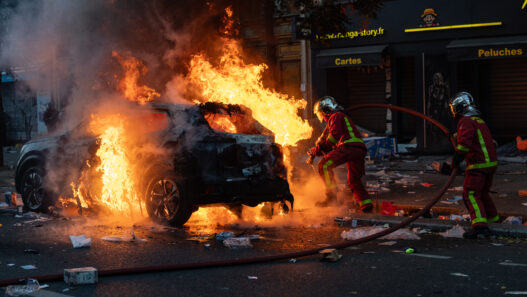
→Update (25.10.2026): News: French-inspired youth protests turn violent in Barcelona, with 128 arrested, including 72 minors (Euronews, EFE)
→Update (23.10.2026): News: Alberto Núñez Feijóo pledges sweeping conservative reforms if he wins Spain’s November 29 election (POLITICO)
→Update (21.10.2026): News: Spain’s Vox rallies international allies ahead of elections (Rapporteur)
→Update (20.10.2026): News: Spain grants amnesty to Catalan separatist leaders ahead of November election (Catalan News)
→Update (20.10.2026): News: Spain’s conservatives hold coalition talks with far-right Vox (POLITICO)
→Update (19.10.2026): Commentary: Why Spain’s left failed to unite ahead of November’s snap election (EUobserver)
→Update (14.10.2026): News: Spain’s ruling Socialists lead state-run poll amid snap election speculation (Reuters)
→Update (14.10.2026): Polling: Spain’s latest voting intention trends (POLITICO)
→Update (12.10.2026): Interview: Spanish Socialist MEP sees no alternative to Sánchez as housing and immigration dominate snap election (EUobserver)
→Update (09.10.2026): Podcast: Sánchez’s snap election gamble raises questions about Spain’s political future and its implications for Europe (ECFR)
→Update (08.10.2026): News: Maricarmen, the 87-year-old woman whose eviction sparked major protests in Spain, dies in hospital (Euronews)
→Update (08.10.2026): News: Spain’s far-right Vox, led by Santiago Abascal, gains ground in election polls (POLITICO)
→Update (07.10.2026): News: Spanish unions call general strike for November 11, weeks before snap parliamentary election (Reuters)
→Update (06.10.2026): Analysis: Spanish election threatens political balance in Brussels as Sánchez’s Socialists face potential losses (POLITICO)
→Update (05.10.2026): Analysis: Sánchez bets on housing agenda to keep far right out of government in Spain’s snap election (EUobserver)
→Update (05.10.2026): News: Sánchez calls snap Spanish election for November 29 (POLITICO)
→Update (03.10.2026): News: Tens of thousands protest across Spain over deepening housing crisis (The Guardian)
→Update (02.10.2026): News: Sánchez loses key housing crisis vote after eviction of 87-year-old woman (BBC)
→Update (30.09.2026): Podcast: Did Spain’s government address protesters’ demands on housing? (EUobserver)
→Update (29.09.2026): News: Spain moves to stem housing protests (Rapporteur)
→Quick Brief:
→Maricarmen Abascal was evicted on 23 September from the Madrid apartment where she had lived for more than 70 years, turning her case into a symbol of Spain’s housing crisis
→The eviction prompted protests in Madrid, amid wider concerns over rising rents and access to affordable housing
→The property owner has agreed to let Abascal return under a new eight-year rental contract, with rent capped at 30% of her net income. She still has to approve the agreement formally
→Prime Minister Pedro Sánchez explicitly referred to Maricarmen’s case while calling for parliamentary support for new housing measures aimed at strengthening tenant protection and addressing Spain’s housing crisis
→Sources: BBC, Reuters, El País
→Transparency Note: Use of AI
·Economic Policy·Monetary Policy·Security·Budget·Council of the EU·EU Borrowing·European Commission·General Affairs Council·Multiannual Financial Framework
·Economic Policy·Monetary Policy·Security·Budget·Council of the EU·EU Borrowing·European Commission·General Affairs Council·Multiannual Financial Framework
Frugals vs. Friends of Cohesion: EU Budget Battle Intensifies ↗︎
Six fiscally conservative EU countries are demanding major cuts to Brussels’ proposed €2 trillion budget for 2028–2034, setting up a difficult fight over Europe’s future spending priorities. The 27 member states want to have a decision by the end of the year.
→Update (26.10.2026): News: Austria threatens to veto the EU budget (Rapporteur)
→Update (26.10.2026): News: EU foreign aid chief says little is changing in Africa despite development efforts (Rapporteur)
→Update (26.10.2026): News: Rising debt costs and fraud allegations increase pressure on the EU budget (Rapporteur)
→Update (23.10.2026): Interview: António Costa targets November agreement on EU budget (Rapporteur)
→Update (22.10.2026): News: MEPs seek €7 billion more for Erasmus despite opposition from budget-conscious EU governments (EUobserver)
→Update (21.10.2026): Analysis: Who will stand up for Global Europe? (PubAffairs Bruxelles)
→Update (20.10.2026): News: EU budget negotiations raise questions over costs and funding (Rapporteur)
→Update (19.10.2026): Analysis: EU faces a perfect political storm amid mounting challenges (POLITICO)
→Update (16.10.2026): Interview: Irish minister says EU budget deal still possible by Christmas (YouTube)
→Update (16.10.2026): Interview: Cyprus president proposes shortening EU budget to three or four years (POLITICO)
→Update (16.10.2026): News: Costa targets November EU budget showdown (POLITICO)
→Update (16.10.2026): News: Costa proposes new EU taxes to break budget deadlock (Rapporteur)
→Update (15.10.2026): Podcast: Europe faces a new battle over the EU budget (ECFR)
→Update (15.10.2026): News: 17 European leaders issue joint statement on EU cohesion funding (Italian Government)
→Update (14.10.2026): News: EU leaders consider deep budget cuts as joint borrowing expands (EUobserver)
→Update (14.10.2026): News: EU capitals weaken budget deal deadline (POLITICO)
→Update (13.10.2026): News: France sets EU budget red lines on tech taxes and Buy European (Rapporteur)
→Update (13.10.2026): Interview: Austrian EU Affairs Minister Claudia Bauer rejects artificial budget deadline (Rapporteur)
→Update (13.10.2026): News: Spain hosts Friends of Cohesion meeting on next EU budget (Spanish Ministry of Foreign Affairs)
→Update (12.10.2026): Opinion: Will MEPs challenge €141bn in EU budget cuts? (EUobserver)
→Update (11.10.2026): News: MEPs warn Irish EU budget plan risks historic failure as €141 billion in cuts spare agriculture and cohesion funds (EUobserver)
→Update (11.10.2026): News: European Commission warns that EU budget cuts could undermine funding for crisis response (POLITICO)
→Update (10.10.2026): EU's Irish presidency wants 8% cut to proposed 2028-2034 budget plan (Reuters)
→Update (08.10.2026): Opinion: Cut the EU budget and we all lose (EUobserver)
→Update (08.10.2026): News: EU countries brace for €100B-€200B smaller budget (Politico)
→Update (08.10.2026): Analysis: EU’s 2028-2034 budget proposal creates new conflicts over spending priorities and financial burden-sharing (SWP)
→Update (08.10.2026): News: EU auditors warn of major budget shortfall unless the EU introduces new sources of revenue (Rapporteur)
→Update (07.10.2026): News: Iran war shock expected to shrink next EU budget (Rapporteur)
→Update (06.10.2026): News: Von der Leyen rebukes EU budget frugals over demands for deeper spending cuts (Rapporteur)
→Update (29.09.2026): News: EU governments brace for €100 billion cut to long-term budget proposal (POLITICO)
→Update (29.09.2026): News: EU cuts funding for women’s rights groups amid wider budget reductions (EUobserver)
→Update (29.09.2026): News: MEPs back €47 billion in new Erasmus funding as frugal states seek EU budget cuts (EUobserver)
→Update (29.09.2026): Commentary: EU budget cuts risk hurting member states’ own regions (EUobserver)
→Update (29.09.2026): News: EU leaders battle over budget as Parliament prepares resistance (Rapporteur)
→Update (25.09.2026): News: 12 countries oppose French push for EU defence preference (Euractiv)
→Update (23.09.2026): News: EU governments consider cutting development aid by up to 40 percent (EUobserver)
→Update (23.09.2026): News: Greece proposes EU-wide telecoms levy to fund budget and high-tech investment (Euractiv)
→Update (22.09.2026): News: France opposes cuts to foreign aid in next EU budget (POLITICO)
→Update (22.09.2026): News: Results of the General Affairs Council (Irish EU Presidency)
→Update (22.09.2026): News: France opposes cuts to foreign aid in next EU budget (POLITICO)
→Update (22.09.2026): News: Germany rejects Costa’s push for new EU budget taxes (POLITICO)
→Update (22.09.2026): News: EU ministers meet in Brussels for General Affairs Council (Council of the EU)
→Update (21.09.2026): Analysis: EU budget could strengthen rule of law safeguards but member states may blunt reforms (CER)
→Update (21.09.2026): News: Costa says EU budget needs new taxes governments are not already raising (POLITICO)
→Update (18.09.2026): News: Germany and Spain go head-to-head in EU budget fight (POLITICO)
→Update (17.09.2026): News: MEPs deadlocked over CAP’s place in next EU budget (Euractiv)
→Update (15.09.2026): News: Metsola urges Europe’s political centre to hold against extremes (Euractiv)
→Update (14.09.2026): News: EU plans cuts to staff and salaries in next long-term budget (POLITICO)
→Update (14.09.2026): News: EU countries split over scale of long-term budget cuts (Euractiv)
→Update (09.09.2026): News: Germany calls for hundreds of billions in EU budget cuts (Reuters)
→Update (09.09.2026): News: Costa says new EU taxes would reduce national contributions (POLITICO)
→Update (08.09.2026): News: France backs business tax to fund EU budget (Euractiv)
→Update (07.09.2026): News: Le Pen backs tobacco retailers against EU tax hikes (Euractiv)
→Update (07.09.2026): News: Ireland secures EU tax deal on carbon imports and e-waste (POLITICO)
→Update (04.09.2026): News: Spain urges EU climate adaptation fund and binding targets (Reuters)
→Update (04.09.2026): Commentary: EU budget could loosen China’s grip on critical raw materials (Euronews)
→Update (03.09.2026): News: EU budget negotiators criticise frugal states over cuts (EUobserver)
→Update (03.09.2026): Interview: Lithuania says eastern flank needs must shape EU budget (Euractiv)
→Update (02.09.2026): News: Spain worried by EU budget debate (Euractiv)
→Update (02.09.2026): News: EU budget camps remain deadlocked (EUobserver)
→Update (31.08.2026): News: Ireland seeks to break EU budget deadlock (POLITICO)
→Update (27.08.2026): Europe’s defence promise meets budget reality (ECFR)
→Quick Brief:
→Germany, Denmark, the Netherlands, Austria, Finland and Sweden want cuts of several hundred billion euros
→The European Commission has proposed a nearly €2 trillion seven-year budget for 2028–2034
→The six still want priority spending on defence, competitiveness, migration and European sovereignty
→They reject new joint EU borrowing and demand cuts across spending areas as national budgets face consolidation
→Sources: Euractiv, Reuters, Council of the EU
→Transparency Note: Use of AI
·International Right·National Politics·Security·Ukraine·War in Ukraine·24 February 2022·Diplomacy·Hard Winter·Russia·USA
·International Right·National Politics·Security·Ukraine·War in Ukraine·24 February 2022·Diplomacy·Hard Winter·Russia·USA
Russia’s Invasion of Ukraine: Putin targets Ukraine’s economy and infrastructure, the EU Searches for New Money, and the USA Seems to Be on the Aggressor’s side ↗︎
More than four years after Russia launched its full-scale invasion, Ukraine continues to resist as the war has evolved from Moscow’s failed attempt at a rapid victory into a prolonged conflict with no political settlement in sight.
→Update (26.10.2026): Analysis: Russia leverages relationships across the Global South to counter Western influence amid its war against Ukraine (EUObserver)
→Update (24.10.2026): News: Ukraine says Starlink and Starshield now operate at speeds up to 400 km/h after a week of restrictions (Reuters)
→Update (23.10.2026): Analysis: ISW says Putin’s historical claims signal territorial ambitions in Ukraine beyond Donetsk Oblast (Institute for the Study of War)
→Update (23.10.2026): Analysis: Ukrainian officials report continued Starlink and Starshield speed restrictions affecting military operations (ISW)
→Update (23.10.2026): Analysis: ISW challenges the narrative of inevitable Russian victory in Ukraine (Institute for the Study of War)
→Update (23.10.2026): News: EU plans to cover two-thirds of new €70 billion funding package for Ukraine (Rapporteur)
→Update (22.10.2026): News: Brussels considers new funding agreement to support Ukraine (Rapporteur)
→Update (22.10.2026): Analysis: ISW says Kremlin seeks US economic concessions to sustain Ukraine war (Institute for the Study of War)
→Update (22.10.2026): News: Russian missiles strike Kyiv as Ukrainian drones target Russia (Reuters)
→Update (22.10.2026): News: EU seeks UK, Canadian and Japanese support to close Ukraine’s €70 billion funding gap for 2027 (EUobserver)
→Update (21.10.2026): News: Heavy Russian casualties emerge from fighting near Dobropillia in Ukraine (EUobserver)
→Update (21.10.2026): News: Bulgaria refuses to help close Ukraine’s funding gap (Rapporteur)
→Update (20.10.2026): News: Zelenskyy says US resumed intelligence sharing after talks with Rubio in Oslo (Newscord)
→Update (20.10.2026): News: Kallas accuses US of pushing Ukraine towards surrender (Rapporteur)
→Update (20.10.2026): Analysis: Starlink speed restrictions continue and limit Ukraine’s ability to intercept Russian strike drones (ISW)
→Update (20.10.2026): Analysis: Ukraine needs another €70 billion as EU faces funding challenge (Euronews)
→Update (20.10.2026): News: Ukrainian President Zelenskyy to visit Norway (Norwegian Government)
→Update (19.10.2026): Analysis: Ukrainian officials report continued disruptions to US assistance (ISW)
→Update (19.10.2026): News: Zelensky speaks to US envoys as Trump accuses him of not wanting to end the war (Le Monde)
→Update (19.10.2026): News: Putin seeks Ukraine summit with Trump and Xi but refuses talks with Zelenskyy (Euronews)
→Update (19.10.2026): Analysis: How dependent is Ukraine on US-controlled Starlink? (DW)
→Update (18.10.2026): Analysis: Ukraine’s ability to intercept Russian drones using Starlink and Starshield remains unclear (ISW)
→Update (18.10.2026): News: Rubio says Trump may take 60 days to decide on Russia sanctions (Reuters)
→Update (18.10.2026): Analysis: Putin targets Ukraine’s economy through intensified airstrikes (DIE ZEIT)
→Update (17.10.2026): News: Zelenskyy urges neighbours to allow Ukrainian grain transit (Reuters)
→Update (17.10.2026): Analysis: Trump-Zelenskyy rift threatens vital US support for Ukraine (Reuters)
→Update (16.10.2026): Commentary: ECFR argues Europe should increase support for Ukraine in response to Putin’s escalating attacks (ECFR)
→Update (16.10.2026): News: Zelenskyy warns US-Russia diesel deal could weaken sanctions (EUobserver)
→Update (16.10.2026): News: Zelenskyy rallies European allies as relations with Trump deteriorate (Le Monde)
→Update (16.10.2026): Analysis: ISW reports continued Russian deportations of Crimean Tatars and alleged forced transfers of Ukrainian civilians and children (ISW)
→Update (16.10.2026): News: White House reportedly ordered Starshield restrictions in Ukraine (Reuters)
→Update (15.10.2026): News: Zelenskyy urges EU unity, more funding and Russia sanctions (EUobserver)
→Update (15.10.2026): Analysis: Ukraine reportedly regains unrestricted SpaceX Starshield access (ISW)
→Update (15.10.2026): News: Zelenskyy says Ukraine will resume strikes on Russian oil refineries (Reuters)
→Update (15.10.2026): Analysis: Ukrainian strikes expose Russian digital infrastructure vulnerabilities (POLITICO)
→Update (14.10.2026): Interview: Zelenskyy says Ukraine is losing the US as a strong partner (Reuters)
→Update (14.10.2026): News: Black Sea becomes new front in Russia-Ukraine grain export war (EUobserver)
→Update (14.10.2026): Analysis: SpaceX’s Starshield restrictions threaten Ukrainian drone operations (ISW)
→Update (14.10.2026): News: UK to accelerate missile deliveries to Ukraine (Rapporteur)
→Update (14.10.2026): News: Andy Burnham backs Ukraine during Zelenskyy’s UK visit (POLITICO)
→Update (14.10.2026): News: Russian strikes hit 30 Ukrainian energy facilities despite reported ceasefire agreement (Reuters)
→Update (13.10.2026): News: Ukraine reports record Russian casualties as Moscow seeks recruits (EUobserver)
→Update (12.10.2026): News: US hopes diesel deal will ease Moscow peace talks (Reuters)
→Update (12.10.2026): Analysis: Russian Offensive Campaign Assessment (ISW)
→Update (12.10.2026): News: EU adopts nearly 1,600 new sanctions listings targeting Russia (Reuters)
→Update (12.10.2026): News: European leaders criticise Trump’s plan to buy Russian diesel, warning it undermines support for Ukraine (POLITICO)
→Update (11.10.2026): News: European leaders rally behind Zelenskyy after Trump calls for a new Ukrainian leader (POLITICO)
→Update (10.10.2026): Analysis: Putin falsely blames Ukraine for stalled peace talks despite Russia’s refusal to make concessions (ISW)
→Update (09.10.2026): Analysis: Trump and Putin agree to waive sanctions on Russian diesel, potentially funding Russia’s war in Ukraine (ISW)
→Update (09.10.2026): Analysis: Civilians in Russian-occupied Oleshky reportedly forced to eat dogs to survive amid severe humanitarian crisis (EUobserver)
→Update (08.10.2026): Analysis: Europe’s far-right surge threatens NATO defence spending commitments and continued military aid to Ukraine (POLITICO)
→Update (07.10.2026): Analysis: Russian mass drone and missile strikes across Ukraine kill or injure at least 135 civilians, including four children (ISW)
→Update (06.10.2026): Analysis: Ukraine deploys AI-controlled machine-gun turrets against Russian jet-powered drones over Kyiv (EUobserver)
→Update (05.10.2026): Analysis: Russian drone strike injures Moldovan citizen for the first time at Ukraine-Moldova border crossing (ISW)
→Update (04.10.2026): News: Kyiv bridge hit during German Chancellor’s snap visit (Rapporteur)
→Update (04.10.2026): Interview: EU envoy in Kyiv urges stronger air defences and hybrid war response, saying Putin ‘understands only strength’ (EUobserver)
→Update (03.10.2026): Analysis: Russia strikes Kyiv bridge to disrupt transport, economy and civilian life (ISW)
→Update (02.10.2026): Analysis: Ukraine deploys domestically produced FP-7 ballistic missile for first time (EUobserver)
→Update (02.10.2026): Analysis: Putin portrays European responses to Russian threats as aggression (ISW)
→Update (02.10.2026): Analysis: Russia governs occupied Oleshky through humanitarian decline (ISW)
→Update (30.09.2026): Analysis: Russia begins winter campaign targeting Ukraine’s energy security (ISW)
→Update (30.09.2026): Analysis: Ukraine’s war chest is running low at a critical moment (POLITICO)
→Update (30.09.2026): News: Russian air strikes kill three and injure seven in and around Kyiv (Reuters, MarketScreener)
→Update (29.09.2026): Analysis: Russian drone strikes Kyiv research institute and explodes near EU embassy (EUobserver)
→Update (29.09.2026): News: Zelenskyy says North Korea prepares to deploy another 10,000 troops to Russia (Reuters)
→Update (28.09.2026): News: Ukraine regains territory and captures POWs in frontline push (POLITICO)
→Update (28.09.2026): Analysis: Ukraine’s Operation Vivaldi uses deception to liberate five settlements north of Lyman (ISW)
→Update (28.09.2026): News: Kremlin says Ukraine is ‘paying the price’ for attacks on Russia (Reuters)
→Update (26.09.2026): Analysis: Ukraine’s new counteroffensive tactics could help break positional warfare and restore tactical manoeuvre (ISW)
→Update (25.09.2026): Analysis: Russia intensifies strikes on Ukraine’s data centres and telecommunications infrastructure (ISW)
→Update (24.09.2026): News: Russian missile attack on Kyiv kills civilians and damages residential areas (Reuters)
→Update (23.09.2026): Analysis: Russian tank survives 40 drone strikes, suggesting mechanised warfare could make comeback (EUobserver)
→Update (23.09.2026): Analysis: Kremlin rejects proposed energy ceasefire and reiterates maximalist war demands (ISW)
→Update (23.09.2026): Analysis: Kremlin uses sham elections to manufacture legitimacy in occupied Ukraine (ISW)
→Update (22.09.2026): News: Ukraine races to counter new jet-powered Russian drones (BBC)
→Update (22.09.2026): Analysis: Russian Ministry of Defence falsely claims encirclement of Dobropillya as part of cognitive warfare campaign (ISW)
→Update (22.09.2026): Analysis: Western tech helps funnel foreign recruits into Russia’s war (POLITICO)
→Update (21.09.2026): Analysis: Ukraine’s largest Moscow air raid overwhelms defences and hits key oil refinery (EUobserver)
→Update (20.09.2026): Analysis: Russia secretly plans to expand kamikaze drone production (POLITICO) massively
→Update (20.09.2026): News: Ukrainian drones hit Moscow oil refinery, killing two (Reuters)
→Update (19.09.2026): Analysis: Russian Ministry of Defence exaggerates battlefield gains ahead of UN General Assembly (ISW)
→Update (18.09.2026): Analysis: Tusk reveals classified estimates of Ukrainian battlefield casualties (EUobserver)
→Update (18.09.2026): Analysis: Kremlin denies post-election mobilisation amid fears of public backlash (ISW)
→Update (18.09.2026): Podcast: Ukraine faces mounting pressure ahead of wartime winter (ECFR)
→Update (17.09.2026): Analysis: Russia pushes to capture Dobropillia before autumn conditions worsen (EUobserver)
→Update (17.09.2026): Analysis: Russia continues deporting Ukrainian female political prisoners to distant penal colonies (ISW)
→Update (17.09.2026): News: Russia targets passenger trains to undermine Ukraine’s economy and morale (POLITICO)
→Update (16.09.2026): Analysis: Ukrainian forces reportedly advance beyond Zherebets River (EUobserver)
→Update (16.09.2026): Analysis: Putin frames Duma elections as referendum on Ukraine war (ISW)
→Update (15.09.2026): Analysis: Ukraine hits record number of Russian refineries as Trump pushes energy ceasefire (EUobserver)
→Update (15.09.2026): Analysis: Ukraine’s Operation Vivaldi disrupts Russia’s Fortress Belt encirclement (ISW)
→Update (14.09.2026): Analysis: Ukraine races to counter Russia’s jet-powered drones (POLITICO)
→Update (14.09.2026): Analysis: Zelensky reiterates readiness for mutual energy strikes moratorium (ISW)
→Update (13.09.2026): Analysis: Russian strikes near Polish border signal growing escalation (ISW)
→Update (12.09.2026): Analysis: Ukraine disrupts Russia’s Donbas offensive plans (ISW)
→Update (13.09.2026): Analysis: Anthropic AI joins Ukraine war after Russian exploitation (EUobserver)
→Update (11.09.2026): Analysis: Russian Offensive Campaign Assessment (ISW)
→Update (10.09.2026): Analysis: Russia spent over €110bn on the war so far in 2026 (EUobserver)
→Update (10.09.2026): Analysis: Russian Offensive Campaign Assessment (ISW)
→Update (10.09.2026): Analysis: Russian Occupation Update (ISW)
→Update (10.09.2026): Analysis: Zelenskyy gambles on pressure to force Putin into peace talks (POLITICO)
→Update (09.09.2026): Analysis: Russia’s claimed Kharkiv encirclement lacks evidence (EUobserver)
→Update (09.09.2026): News: Zelenskyy’s plane nearly hit by drone en route to Oslo (Euronews)
→Quick Brief:
→Russia launched its full-scale invasion on 24 February 2022, expecting rapid military gains, but its attempt to seize Kyiv failed as Ukrainian forces resisted
→The failed initial offensive developed into a long war of attrition, with Russia occupying Ukrainian territory while Ukraine continues to defend itself and strike Russian military and economic targets
→Winter has repeatedly intensified pressure on civilians: Russia has systematically targeted Ukraine’s electricity and heating infrastructure, causing widespread outages and disruption
→Diplomacy has not ended the war: renewed US-led efforts have so far failed to bridge fundamental differences between Moscow and Kyiv, while Russian military operations continue
→Sources: UN Human Rights Monitoring Mission in Ukraine, Reuters, Associated Press
→Transparency Note: Use of AI
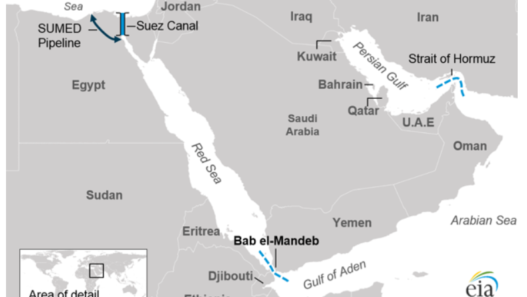
·Europe in the world·Geopolitics·Security·Houthis·Makkah Joint Defense Agreement·Mecca·Pakistan·Saudi Arabia·Sunni NATO·Turkey·Yemen
·Europe in the world·Geopolitics·Security·Houthis·Makkah Joint Defense Agreement·Mecca·Pakistan·Saudi Arabia·Sunni NATO·Turkey·Yemen
“Sunni NATO” Moves Into Action ↗︎
Saudi Arabia, Türkiye and Pakistan activated their new Makkah defense alliance, agreeing on 5 October to rapidly deploy military forces and capabilities to Saudi Arabia.
→Update (26.10.2026): News: Senior officials from Mecca Pact countries meet Iranian representatives in Tehran (Reuters)
→Quick Brief:
→The Makkah Joint Defense Agreement treats an attack on one member as an attack on all, prompting comparisons to a “Sunni NATO”
→Following attacks on Saudi Arabia, the alliance agreed to deploy agreed forces and military capabilities to the kingdom rapidly
→Türkiye and Pakistan are providing military support, but direct combat deployments inside Yemen have not been confirmed
→The alliance links Saudi Arabia, NATO member Türkiye and nuclear-armed Pakistan, potentially reshaping regional security and deterrence
→Sources: Saudi Press Agency, Pakistan Ministry of Foreign Affairs, Turkish Ministry of Foreign Affairs, Reuters
→Transparency Note: Use of AI
·Energy Policy·European Governance·Foreign Policy·Inside Europe·Security·Ukraine·European Union·Juraj Blanár·Russia·Slovakia
·Energy Policy·European Governance·Foreign Policy·Inside Europe·Security·Ukraine·European Union·Juraj Blanár·Russia·Slovakia
Orbán Is Gone: Slovakia Is Now Putin’s Trojan Horse within the EU ↗︎
Slovakia is emerging as Moscow’s principal EU partner after Orbán’s election defeat, reviving bilateral cooperation while raising questions about European unity over Russia.
→Update (26.10.2026): News: Slovakia’s Foreign Minister Juraj Blanár meets Sergei Lavrov in Moscow to revive economic cooperation, particularly in energy, and offers Bratislava as a venue for Ukraine peace talks (Reuters, TASR)
→Quick Brief:
→Fico says the Slovak-Russian cooperation commission will meet in Moscow on 25 November, its first session since 2021
→A Russian note lists energy, culture and Russian athletes among the topics. POLITICO could not independently authenticate it
→Foreign Minister Juraj Blanár defends pragmatic dialogue, while Bratislava argues that abandoning Russian energy would be costly
→Closer ties could weaken EU unity over Ukraine and energy policy, though restarting the forum does not change sanctions
→Sources: POLITICO, Slovak Foreign Ministry, Reuters
→Transparency Note: Use of AI
·Inside Europe·Media and Journalism·Andrej Babiš·Czechia·Editorial Independence·European Union·State-Budget Financing
·Inside Europe·Media and Journalism·Andrej Babiš·Czechia·Editorial Independence·European Union·State-Budget Financing
Prague Protests Public Broadcasting Overhaul ↗︎
Thousands protested in Prague on 25 October against plans to replace broadcasting licence fees with state funding, amid concerns over editorial independence
→Update (26.10.2026): News: Czech government advances plans to abolish public broadcasting licence fees, triggering protests over media independence (EUObserver)
→Quick Brief:
→Prime Minister Andrej Babiš’s coalition advanced the bill in an overnight vote on 24 October. Further parliamentary approval is required
→The proposal would move Czech Television and Czech Radio to state-budget financing and cut their combined funding by roughly 15%
→Critics warn of political pressure and reduced services. The government says the changes would lower household costs without undermining independence
→European media organisations demand stronger safeguards, citing EU requirements for adequate, predictable funding that protects editorial independence
→Sources: Reuters, European Broadcasting Union, European Commission
→Transparency Note: Prepared with AI assistance.
At the European Relations Association, early-career researchers, students, and young professionals can gain publishing experience and other forms of professional exposure with us at an early stage. We aim to make this opportunity accessible to as many young people as possible through voluntary positions for those who wish to contribute to a high-quality European discourse alongside their studies and/or professional commitments.
July 28, 2026
April 21, 2026

Worth Revisiting
Quick Briefs from previous weeks
·Human Rights·Migration·National Politics·EU's Southern Border·European Governance·Marocco·Migration Policy·Spain
·Human Rights·Migration·National Politics·EU's Southern Border·European Governance·Marocco·Migration Policy·Spain
Thousands of Migrants Reach Spain’s Ceuta Enclave From Morocco End of July ↗︎
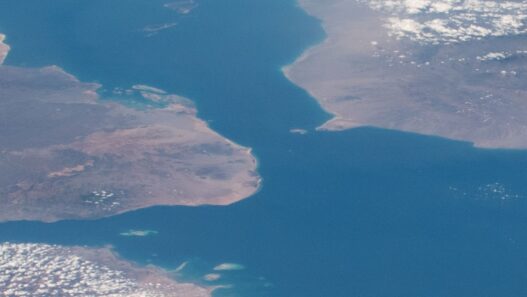
Thousands of migrants have attempted to reach Spain's North African enclave of Ceuta by swimming from Morocco.
→Update (22.10.2026): News: Italy and Spain scrap border checks following Ceuta crisis (POLITICO)
→Update (15.10.2026): News: Ceuta migrant families await answers (EUobserver)
→Update (13.10.2026): News: King Felipe VI and Queen Letizia visit Ceuta and Melilla (AFP)
→Update (02.10.2026): Commentary: Ceuta has become a ‘laboratory’ for the degradation and dehumanisation of migrants (EUobserver)
→Update (30.09.2026): News: Macron backs Spain over Ceuta migration crisis and urges firm EU action (Euronews)
→Update (30.09.2026): Interview: Ceuta crisis shows how EU border outsourcing can backfire and put children at risk (EUobserver)
→Update (29.09.2026): News: Ceuta migration crisis continues to destabilize Sánchez government (Le Monde)
→Update (23.09.2026): News: Sánchez says Morocco’s border control ‘failed’ during Ceuta crisis (Le Monde)
→Update (21.09.2026): News: Spain and Morocco move to prevent new mass crossing into Ceuta on election day of Marocco (Euractiv)
→Update (18.09.2026): News: Police begin moving migrants from Ceuta beaches (BBC)
→Update (18.09.2026): Analysis: Ceuta border crisis fuels Europe’s far right despite falling migrant arrivals (Reuters)
→Update (17.09.2026): Analysis: Ceuta crisis exposes dangerous erosion of trust within Schengen (CER)
→Update (17.09.2026): Commentary: Europe must clean up Spain’s Ceuta migration mess (POLITICO)
→Update (09.09.2026): Analysis: Ceuta migration crisis fuels Spain’s and Europe’s far right (EUobserver)
→Update (08.09.2026): News: Ceuta mayor urges tougher EU stance on Morocco (Euractiv)
→Update (06.09.2026): News: Torres calls for consensus over Ceuta migration crisis (RTVE)
→Update (06.09.2026): News: Sánchez stands alone in defence of Morocco over Ceuta (Euractiv)
→Update (03.09.2026): News: Spain seeks full EU integration for Ceuta and Melilla (Euractiv)
→Update (03.09.2026): News: Commission questions Spain’s Frontex expansion request in Ceuta (EUobserver)
→Update (03.09.2026): News: Protests in Spain against government’s handling of Ceuta migrant crisis (BBC News)
→Update (02.09.2026): Commentary: Solve the crisis without undermining democracy (elDiario.es)
→Update (02.09.2026): News: Spanish police point to Morocco’s role in Ceuta crisis (Euractiv)
→Update (31.08.2026): News: Italy extends border checks on Spain (Euractiv)
→Update (31.08.2026): News: Sánchez says no evidence Morocco drove Ceuta surge (Euractiv)
→Update (30.08.2026): Spain announces €165m Ceuta emergency package (Euronews)
→Update (28.08.2026): Editorial: Racist attacks in Ceuta must stop (CTXT)
→Update (28.08.2026): Ceuta struggles to identify victims (ZEIT)
→Update (28.08.2026): Spain seeks Frontex and Europol help (Euronews)
→Update (27.08.2026): Bogus Ceuta videos go viral (EUobserver)
→Update (27.08.2026): Spain tightens migration rules (Euractiv)
→Update (26.08.2026): Intelligence missed Ceuta surge warning (Euractiv)
→Update (25.08.2026): Sánchez fast-tracks Ceuta crisis response (Euractiv)
→Update (25.08.2026): Sánchez convenes National Security Council (El País)
→Update (23.08.2026): Ceuta exposes EU migration failure (Exxpress)
→Update (20.08.2026): Ceuta crisis fuels far right (El Confidencial)
→Update (20.08.2026): Spain plans two refugee camps in Ceuta (ZEIT)
→Update (15.08.2026): Spain prepares for new Ceuta influx (ZEIT)
→Update (15.08.2026): Spain allegedly ignored Ceuta warnings (Reuters)
→Update (12.08.2026): Morocco reinforces Ceuta border security (AP News)
→Update (11.08.2026): Meta, TikTok agree to Ceuta fact-checking (Reuters)
→Update (11.08.2026): Meloni, Frederiksen reshape refugee policy (La Stampa)
→Update (10.08.2026): Ceuta exposes Europe’s leadership crisis (Diário de Notícias)
→Update (09.08.2026): Spain’s migration debate intensifies (El Mundo)
→Update (08.08.2026): Does Sánchez use his domestic policy towards Italy? (El Mundo)
→Update (08.08.2026): Nationalism spreads across Europe (La Repubblica)
→Update (08.08.2026): Human rights groups expect more deaths (ZEIT)
→Update (08.08.2026): EU urges platforms to act (DW)
→Update (07.08.2026): Ceuta tests European solidarity (The Brussels Times)
→Update (07.08.2026): Spain imposes checks on Italy (RFI)
→Update (06.08.2026): EU can’t depend on neighbours for border control, migration chief says (POLITICO)
→Update (06.08.2026): Rightwingers attack Spanish ministers for skipping EU meeting on Ceuta in European Parliament (Euractiv)
→Update (06.08.2026): Spain warns of new influx (Euractiv)
→Update (06.08.2026): Analysis/Opinion: Ceuta reveals migration policies hypocrisies and far-right-fuelled fears (PubAffairs Bruxelles)
→Update (04.08.2026): Migration expert Gerald Knaus on populism, disinformation, the power of images, and solutions about preserving control over migration and guaranteeing Human Rights (The Rest Is Politics)
→Update (04.08.2026): Ceuta demands lasting solutions (Diario de Cádiz)
→Update (04.08.2026): EU calls borders “shared responsibility” (DW)
→Update (04.08.2026): Morocco says it warned Spain after court ruling on migration (Euronews)
→Update (04.08.2026): EPP frames Ceuta crisis as a threat to European sovereignty (La Vanguardia)
→Update (04.08.2026): Rome and Madrid Clash Over Ceuta Migration (ESdiario)
→Update (04.08.2026): Ceuta under pressure from growing child migration (ZEIT)
→Update (03.08.2026): Luxembourg backs Spain's Ceuta response (100,7)
→Update (03.08.2026): Von der Leyen demands tighter border checks (Euronews)
→Update (03.08.2026): Spain seeks EU solidarity (Cadena SER)
→Update (03.08.2026): Morocco blames Ceuta migration influx on social media and human trafficking (New York Post)
→Update (02.08.2026): Death toll from migrant rush into Spanish enclave rises to 72, Morocco speaks of 11 deaths (Reuters)
→Update (02.08.2026): How Spain's migrant crisis created a political storm - whipped up by social media (BBC)
→Update (01.08.2026): The Spanish prime minister accuses EU partners of taking “selfish” and “unlawful” stances (Politico EU)
→Update (01.08.2026): According to authorities, approximately 50,000 migrants have returned to Morocco (Zeit, Reuters)
→Update (31.07.2026): Europe's solidarity questioned (ECFR)
→Update (31.07.2026): 57 migrants die in border rush (Reuters)
→Update (31.07.2026): Gerald Knaus, chair of the European Stability Initiative, a think tank focused on EU enlargement and integration, defends Spain over the Ceuta migration crisis and asks critically about Morocco's part in this (Channel 4)
→Update (31.07.2026): Andy Burnham speaks of a 'concerning situation' of Ceuta's migrants (Sky News UK)
→Update (31.07.2026): Migrants in Ceuta cannot move to other countries, EU says (Euronews)
→Update (31.07.2026): Von der Leyen calls Ceuta migration crisis 'unacceptable' and demands 'swift' returns (SUR in English)
→Update (31.07.2026): European leaders turn on Spain's Sánchez over Ceuta migrant crisis (Euractiv)
→Update (31.07.2026): Ceuta calls for national emergency (Euro Weekly News, SUR in English)
→Update (30.07.2026, 31.07.2026 ): Italy and Denmark call for Schengen closure to Spain, considering the case as a threat to national security (Euronews, Euractiv)
→Update (30.07.2026): Spain mobilises troops to Ceuta (Euronews)
→30.07.2026
→Spanish authorities increased border surveillance and rescue operations
→The incident highlights persistent migration pressures at the EU's southern border
→The crossings are likely to intensify debate over EU migration policy
→Source: Euronews
→Transparency Note: Use of AI
→Here is a briefing by ERA about the topic
·Climate Policy·Environmental Policy·Health Policy·Droughts·European Commission·Heatwaves·Resilience·Risk Management·Security·Water Supply·Wildfires·Wopke Hoekstra
·Climate Policy·Environmental Policy·Health Policy·Droughts·European Commission·Heatwaves·Resilience·Risk Management·Security·Water Supply·Wildfires·Wopke Hoekstra
EU climate policy: EU Warns on Climate Costs ↗︎
Brussels is urging Europe to invest more in climate adaptation now, warning that delaying action will leave governments facing much higher costs from increasingly severe extreme weather.
→Update (21.10.2026): Analysis: Rising emissions and temperatures reveal the cost of Trump’s climate retreat (DW)
→Update (21.10.2026): News: Global emissions must fall 18% within four years to limit worst climate impacts (Euronews)
→Update (19.10.2026): News: Conservatives push to delay EU climate levy on fuels (Rapporteur)
→Update (19.10.2026): Analysis: EU climate policy towards 2040 shifts towards greater flexibility and effort-sharing (SWP)
→Update (12.10.2026): Commentary: Made-in-Europe wind, solar and nuclear power can protect us from future energy shocks (EUobserver)
→Update (21.09.2026): Analysis: Planetary Health Check finds mounting pressure on Earth’s life-support systems (PIK)
→Update (16.09.2026): Analysis: Climate rises on von der Leyen’s agenda despite key omissions (EUobserver)
→Update (11.09.2026): News: Von der Leyen weighs new EU water law after drought (Euractiv)
→Update (10.09.2026): News: UN climate chief says Europe’s extreme heat is fuelling inflation (Reuters)
→Update (09.09.2026): News: August declared hottest month ever recorded (POLITICO)
→Update (04.09.2026): News: Spain urges EU climate adaptation fund and binding targets (Reuters)
→Update (02.09.2026): News: Ribera proposes oil tax to climate-proof Europe (POLITICO)
→Update (02.09.2026): Analysis: Renewables boom fails to deliver emissions decline (Euronews)
→Update (02.09.2026): News: UN warns 1.5°C warming risks irreversible damage (EUobserver)
→Update (01.09.2026): Analysis: Climate change threatens Europe’s nuclear renaissance (POLITICO)
→Update (01.09.2026): Analysis: Wildfires expose cost of climate inaction (EUobserver)
→Update (01.09.2026): News: Over half of EU misses nature restoration deadline (Euractiv)
→Update (31.08.2026): Interview: Hoekstra links Europe’s climate and security challenges (Euronews)
→Update (31.08.2026): Analysis: Extreme heat reshapes Europe’s national budgets (Euronews)
→Quick Brief:
→EU Climate Commissioner Wopke Hoekstra is pushing for greater investment in adaptation as heatwaves, drought and wildfires intensify across Europe
→By 5 August, 505,683 hectares had burned in the EU in 2026, already exceeding the same point in 2025
→Climate adaptation includes protecting water supplies, infrastructure, agriculture and public health, rather than focusing only on cutting emissions
→The Commission is preparing a new European climate resilience framework, expected in autumn 2026, aimed at strengthening preparedness and risk management
→Sources: Politico Europe, European Commission JRC, European Commission
→Transparency Note: Use of AI
→Further Sources:
→Analysis: Global action too slow to prevent 1.5°C warming (UNEP - Overshoot Spotlight Report)
→Analysis: Climate change could nearly triple Europe’s annual wildfire area by century’s end (Global Change Biology)
·Arctic Policy·Europe in the world·European Governance·Foreign Policy·Geopolitics·Security·Climate Change·Critical Minerals·European Commission·European Union·Greenland·Indigenous People‘s Rights·Northern Neighbourhood Framework·Russia
·Arctic Policy·Europe in the world·European Governance·Foreign Policy·Geopolitics·Security·Climate Change·Critical Minerals·European Commission·European Union·Greenland·Indigenous People‘s Rights·Northern Neighbourhood Framework·Russia
EU Arctic Strategy Puts Security First ↗︎
The EU’s new Arctic strategy strengthens security cooperation as geopolitical competition and melting ice reshape the region, while retaining climate and community priorities.
→On 20 October, the European Commission and foreign policy chief Kaja Kallas adopted the strategy, updating the EU’s 2021 approach amid Russian military activity and wider geopolitical rivalry
→Plans include maritime and cable security hubs, stronger satellite surveillance and support for jointly procuring icebreakers. No overall cost was specified
→A new Northern Neighbourhood framework will deepen cooperation with Arctic partners on critical minerals, infrastructure and connectivity, including a submarine cable linking Greenland directly to Europe
→Climate action and Indigenous Peoples’ participation remain priorities. However, the strategy drops the explicit 2021 push for a multilateral legal ban on new Arctic fossil-fuel development
→Sources: European Commission, Reuters, Reuters
→Transparency Note: Use of AI
·Diplomacy·National Politics·EEAS·EU Foreign Policy·European Commission·Germany·Johann Wadephul·Kaja Kallas·National Veto·Ursula von der Leyen
·Diplomacy·National Politics·EEAS·EU Foreign Policy·European Commission·Germany·Johann Wadephul·Kaja Kallas·National Veto·Ursula von der Leyen
A Reshape of EU Diplomacy? ↗︎
Germany is pushing a fundamental reform of the EU’s diplomatic service, arguing that internal rivalries and declining influence are weakening Europe’s ability to act internationally.
→Update (21.10.2026): News: Italy seeks to preserve national control over EU foreign policy (Rapporteur)
→Update (11.09.2026): News: Kallas blames geopolitical shifts for turmoil within EU diplomatic service (Euractiv)
→Update (10.09.2026): Analysis: EU faces power struggle over control of foreign policy (Euractiv)
→Update (09.09.2026): Commentary: EU Commission accused of trying to weaken the EEAS (EUobserver)
→Update (09.09.2026): Analysis: Kallas faces growing criticism from EU capitals (Euronews)
→Update (07.09.2026): News: EU diplomatic service scraps high-level defence group (Euronews)
→Quick Brief:
→Berlin wants to bring the European External Action Service (EEAS) closer to the European Commission and end institutional friction over EU foreign policy
→The proposal would give EU foreign policy chief Kaja Kallas broader responsibilities, including areas such as development and neighbourhood policy
→Kallas opposes the plan, warning it could weaken the EEAS’s independence and make her more subordinate to Commission President Ursula von der Leyen
→Germany also wants to reduce national vetoes in EU foreign policy. Foreign Minister Johann Wadephul aims to advance the reform within six months, with a conference planned in Berlin for 2 December
→Sources: Euractiv, Federal Foreign Office
→Transparency Note: Use of AI
·National Politics·Far RIght·Government crisis
·National Politics·Far RIght·Government crisis
After the Romanian Government Collapse, a New Government Forms ↗︎
Romania’s government crisis highlights rising concerns in the EU about stability, reform commitments, and the country’s ability to secure vital EU funding while staying aligned with its pro-Western path.
→Update (20.10.2026): News: Romania’s new Prime Minister Luca Niculescu pledges economic growth, investment and job creation (AGERPRES)
→Update (20.10.2026): News: Romania’s independent prime minister leads new government dominated by Social Democrats (PSD) (AGERPRES)
→Update (20.10.2026): News: Romania’s political crisis gets six-month reprieve as new government forms (POLITICO)
→Update (15.10.2026): News: Romania’s prime minister-designate secures support ahead of confidence vote (Reuters)
→Update (05.10.2026): News: Luca Niculescu becomes Romania’s fourth prime ministerial candidate in five months (POLITICO)
→Update (30.09.2026): News: Romanian political crisis deepens as parliament rejects PM nominee Siegfried Mureșan (POLITICO)
→Update (23.09.2026): News: Romania’s political deadlock risks handing power to far right, PM nominee warns (POLITICO)
→Update (June 22, 2026): Romanian parliament rejects PM nominee, deepening political crisis (Euractiv)
→May 05, 2026:
→Bolojan as PM was removed by a no-confidence vote, concerning his austerity measures
→Social Democrats teamed up with the far right to oust him
→George Simion, the far-right leader, is further gaining influence
→Instability risks EU funding, though President Nicușor Dan backs a pro-West path
→Source: Politico
·Climate Policy·Energy Policy·Environmental Policy·European Governance·Inside Europe·CO2 emissions·Combustion-Cars·France·Germany·Weakening of 2035 Rules
·Climate Policy·Energy Policy·Environmental Policy·European Governance·Inside Europe·CO2 emissions·Combustion-Cars·France·Germany·Weakening of 2035 Rules
Europe’s Combustion-Car Ban: The End? ↗︎
Germany and France have agreed to seek weaker EU car-emissions rules for 2035, allowing some new combustion-engine cars beyond that date while promoting European production.
→Update (20.10.2026): News: EU lawmakers reach agreement to weaken car CO2 targets (Reuters)
→Update (19.10.2026): Commentary: Franco-German car deal protects combustion engines, not European jobs (EUobserver)
→Quick Brief:
→On 16 October, both governments backed a joint position to soften the 2035 rules. This is not yet an EU agreement or a change in law
→They propose a 90% reduction in new-car fleet CO₂ emissions against 2021 levels, rather than 100%, without requiring compensation for the remaining emissions
→The compromise links Germany’s demand for greater technological flexibility with France’s push to favour European-made components in publicly supported vehicles
→Both governments cite competitiveness and jobs. Environmental critics warn that electric-vehicle investment incentives will be weaker. EU governments and Parliament must still agree on legislation
→Sources: Élysée, Reuters, Tagesschau
→Transparency Note: Use of AI
·National Politics·Security·Elections·Liberals·Magdalena Andersson·Sweden·Ulf Kristersson
·National Politics·Security·Elections·Liberals·Magdalena Andersson·Sweden·Ulf Kristersson
Sweden: After Slight Win of Andersson, Will Ringqvist Be New Prime Minister? ↗︎
Sweden votes on 13 September in an increasingly close contest between the centre-left opposition and Prime Minister Ulf Kristersson’s governing bloc, amid concerns over foreign disinformation.
→Update (19.10.2026): News: Sweden’s Centre Party leader Elisabeth Thand Ringqvist tasked with exploring government formation (Reuters)
→Update (15.10.2026): News: Swedish parliament rejects Magdalena Andersson as prime minister (Swedish Parliament)
→Update (28.09.2026): News: Andersson fails to form Swedish government despite centre-left majority (Euronews)
→Update (25.09.2026): News: Sweden receives record number of challenges to election result amid vote-tampering allegations (Euractiv)
→Update (23.09.2026): Interview: Magdalena Andersson calls for stronger Swedish role in EU foreign policy (POLITICO)
→Update (21.09.2026): Analysis: 11 lessons for Europe from the far right’s failure in Sweden (POLITICO)
→Update (17.09.2026): Analysis: How Sweden’s far right stopped winning (Reuters)
→Update (17.09.2026): News: Sweden’s left wins razor-thin election victory (POLITICO)
→Update (15.09.2026): Analysis: Sweden Democrats’ ‘era of deportations’ leaves lasting mark across Europe (EUobserver)
→Update (15.09.2026): Analysis: Elisabeth Thand Ringqvist emerges as Sweden’s most powerful woman (POLITICO)
→Update (14.09.2026): Interview: Expert warns Sweden faces ‘very messy’ political situation after election (YouTube)
→Update (14.09.2026): News: Preliminary results give Swedish opposition three-seat majority (AP)
→Update (14.09.2026): Analysis: Sweden’s election remains very close (Euractiv)
→Update (13.09.2026): News: Early poll suggests Swedes reject far-right party in election (EUobserver)
→Update (11.09.2026): Analysis: Sweden’s fractured left holds narrow lead ahead of election (Reuters)
→Update (10.09.2026): Analysis: Sweden’s election could bring far right into heart of government (Reuters)
→Update (10.09.2026): News: Sweden warns Russia is targeting elections in France and Germany with disinformation (POLITICO)
→Update (09.09.2026): Analysis: Swedish Voter Barometer (Novus)
→Quick Brief:
→Swedes will elect the Riksdag as well as regional and municipal councils on 13 September, with Prime Minister Ulf Kristersson seeking another term
→The centre-left led by Social Democrat Magdalena Andersson remains ahead, but the governing right-wing bloc has narrowed the gap significantly in recent polls
→The Liberals could be decisive: a recent Novus poll puts them at 4.3%, just above the 4% threshold needed to remain in parliament - potentially improving Kristersson’s chances of retaining power
→The election also takes place under heightened security concerns. Swedish authorities say Russia is not prioritising the vote, but pro-Russian networks have already spread fabricated claims about electoral fraud
→Sources: EUobserver, Reuters, Swedish Election Authority
→Transparency Note: Use of AI
·Diplomacy·Environmental Policy·European Governance·Armenia·Biodiversity·Convention on Biological Diversity·COP17·Kunming-Montreal·United Nations·Yerevan
·Diplomacy·Environmental Policy·European Governance·Armenia·Biodiversity·Convention on Biological Diversity·COP17·Kunming-Montreal·United Nations·Yerevan
COP17: Can Nature Promises Become Action? ↗︎
The UN biodiversity conference opens in Armenia as governments review progress towards protecting nature by 2030, with financing and implementation remaining major obstacles.
→COP17 takes place in Yerevan from 19 to 30 October, bringing governments together for the first global review of the 2022 Kunming-Montreal biodiversity framework
→The agreement includes protecting at least 30% of land and sea by 2030. Progress remains insufficient across most targets
→Negotiations will address mobilising at least $200 billion annually for biodiversity by 2030 and reforming subsidies that damage nature
→The EU wants faster implementation, increased public and private funding, and stronger participation by Indigenous Peoples and local communities. Europe’s challenge is matching diplomatic ambition with action at home
→Sources: CBD, EU Council, Reuters
→Transparency Note: Use of AI
·Health Policy·Russia·United Nations·Irkutsk·Plague·Security·WHO
·Health Policy·Russia·United Nations·Irkutsk·Plague·Security·WHO
Russian Lab Death Raises Transparency Concerns ↗︎
An unexplained death at a Russian plague research institute has exposed serious information gaps, leaving WHO unable to fully assess the incident despite Moscow’s assurances.
→Update (19.10.2026): Analysis: Russian pneumonia death exposes limits of international health regulations (POLITICO)
→Quick Brief:
→A worker at the Irkutsk Anti-Plague Research Institute died on 2 October after severe pneumonia. Pneumonic plague was suspected in media reports but remains unconfirmed
→Russian authorities deny a laboratory accident and report negative tests for dangerous pathogens. WHO has found no evidence of ongoing transmission based on the information supplied
→WHO initially learned of the death through media reports and repeatedly requested clarification. Russia responded on 6 October and subsequently provided additional information
→Russia’s disclosures remain insufficient for a reliable independent assessment: the cause is unidentified, laboratory exposure cannot be fully excluded, and WHO cannot verify whether contact monitoring was long enough
→Sources: WHO, ECDC, Reuters
→Transparency Note: Use of AI
·Inside Europe·National Politics·AfD·Berlin·CDU·Friedrich Merz·Germany·Left Party·Mecklenburg-Western Pomerania
·Inside Europe·National Politics·AfD·Berlin·CDU·Friedrich Merz·Germany·Left Party·Mecklenburg-Western Pomerania
German State Elections: CDU out of state parliament; left-wing mayor in Berlin incoming? ↗︎
Voters in Berlin and Mecklenburg-Western Pomerania head to the polls on 20 September, putting Chancellor Friedrich Merz’s CDU under renewed pressure two weeks after the AfD’s breakthrough in Saxony-Anhalt.
→Update (19.10.2026): News: Berlin coalition talks advance despite CDU opposition and concerns within SPD and Greens (Tagesschau)
→Update (08.10.2026): Berlin's Left Party, SPD and Greens agree exploratory coalition talks (Reuters)
→Update (22.09.2026): Analysis: Merz faces dilemma over whether to redraft or defend Germany’s economic reforms (POLITICO)
→Update (22.09.2026): Commentary: Germany’s political crisis raises a new question for Europe (Euractiv)
→Update (21.09.2026): News: Merz vows to keep coalition together for Germany’s ‘democratic future’ (BBC)
→Update (21.09.2026): Analysis: Germany’s political centre under pressure (European Relations)
→Update (20.09.2026): News: Merz vows to keep fighting AfD after far-right victory in Mecklenburg-Vorpommern, CDU falls out of state parliament in Mecklenburg-Western Pomerania (POLITICO)
→Update (20.09.2026): News: Merz calls CDU’s worst postwar state election result a ‘disaster’ but vows to continue reforms (Reuters)
→Update (20.09.2026): News: AfD edges SPD in Mecklenburg-Western Pomerania as Berlin swings left and CDU suffers losses in both states (Euractiv)
→Quick Brief:
→Berlin and Mecklenburg-Western Pomerania vote on the same day, electing new state parliaments in the latest major tests of Germany’s shifting political landscape
→In Mecklenburg-Western Pomerania, the AfD is leading while Merz’s CDU is polling around 6%, putting it at risk of a historically weak result and potentially even missing the 5% threshold
→In Berlin, the Left Party leads the race, while the AfD has also gained support. Housing shortages and high rents have emerged as major issues for voters
→The elections come after the AfD won 43.8% in Saxony-Anhalt on 6 September, intensifying pressure on Merz and the established parties’ refusal to form coalitions with the AfD
→Sources: Reuters, Federal Returning Officer, Euractiv
→Transparency Note: Use of AI
·Russia·Ukraine·War in Ukraine·Euroclears·European Defence·Russian frozen assets
·Russia·Ukraine·War in Ukraine·Euroclears·European Defence·Russian frozen assets
Europe Reopens Russian Assets Debate ↗︎
Ukraine’s worsening funding gap is reviving Europe’s unresolved debate over whether frozen Russian central bank assets should be used to finance Kyiv - despite major legal and financial risks.
→Update (16.10.2026): Analysis: Trump-Putin alignment tests EU resolve on Ukraine and frozen Russian assets (POLITICO)
→Update (12.10.2026): Commentary: Ukrainian Foreign Minister Andrii Sybiha argues Russia’s war budget strengthens the case for using frozen Russian assets to support Ukraine (POLITICO)
→Update (29.09.2026): News: MEP urges EU to ‘think creatively’ and use frozen Russian assets to support Ukraine (Euronews)
→Update (23.09.2026): Interview: Andersson calls for using frozen Russian assets to support Ukraine (POLITICO)
→Update (17.09.2026): News: Russian central bank appeals to EU court over Euroclear dispute (Reuters)
→Quick Brief, 11. September 2026:
→Ukraine says it needs an additional €27 billion for defence in 2026, increasing pressure on European partners to find new funding
→Around €210 billion in Russian central bank assets are frozen in the EU, with most held through Belgium-based Euroclear
→Countries including the Netherlands, Poland, Spain and Sweden want to reopen discussions on using the assets, while Belgium continues to warn about legal and financial risks
→Europe faces a strategic dilemma: using the assets could provide Ukraine with major new resources, but keeping them frozen preserves leverage over Moscow in future negotiations
→Sources: EUobserver, Reuters
→Transparency Note: Use of AI
·Europe in the world·Foreign Policy·Geoeconomics·Security·Trade Policy·Antimony·China·Defence·EEAS·European Union·Lê Minh Hưng·Minerals·Rare Earths·Tungsten·Vietnam
·Europe in the world·Foreign Policy·Geoeconomics·Security·Trade Policy·Antimony·China·Defence·EEAS·European Union·Lê Minh Hưng·Minerals·Rare Earths·Tungsten·Vietnam
EU Eyes Vietnam to Diversify Minerals ↗︎
The EU is exploring closer cooperation with Vietnam on critical minerals to reduce dependence on China and strengthen supplies for European industry and defence.
→Internal EU documents Reuters reported on 14 October recommend financial and technical support for Vietnam’s mining and processing sectors. No dedicated minerals partnership has been announced
→Vietnam has deposits of rare earths, tungsten and antimony. Its existing tungsten and antimony exports to Europe support defence production, including ammunition
→Chinese export restrictions and competition from other investors have heightened supply concerns. Regulatory uncertainty and technology-transfer requirements complicate investment in Vietnam
→Vietnam also seeks closer cooperation: on 12 October, Prime Minister Lê Minh Hưng called for stronger EU ties in critical minerals, technology and energy transition. His remarks preceded the Reuters report
→Sources: Reuters, EEAS, Vietnamese Government Portal
→Transparency Note: Use of AI

Towards EU Accession: Ukraine’s transformation story
What does Ukraine’s path toward EU membership actually look like from inside the process? In…

Inside Israeli-German Economic Relations
Interview with Israeli Diplomat Asaf Argov
Taken by ISIS
Interview with Ardawan Abdi
Language in War: The invisible Front line in Ukraine
Interview with Ukraine's former Language Protection Commissioner Taras Kremin
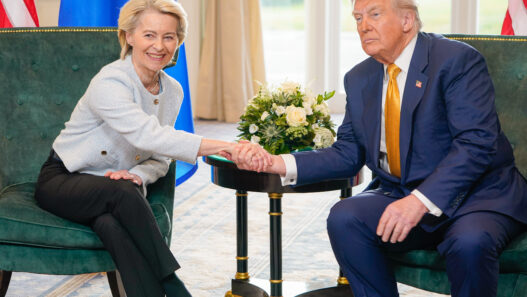
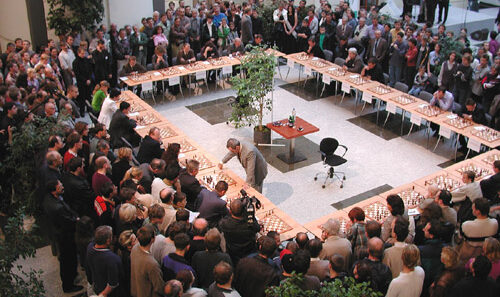

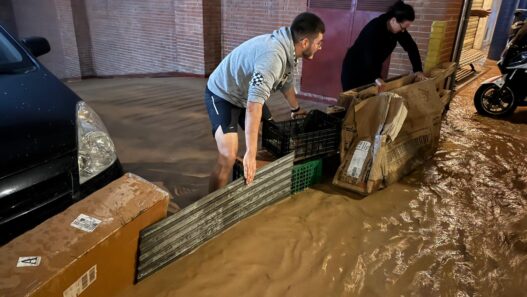
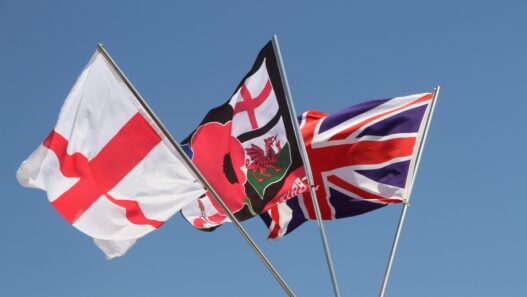
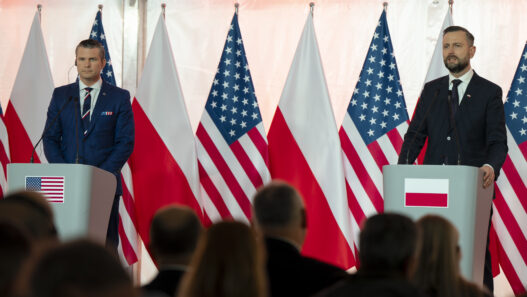
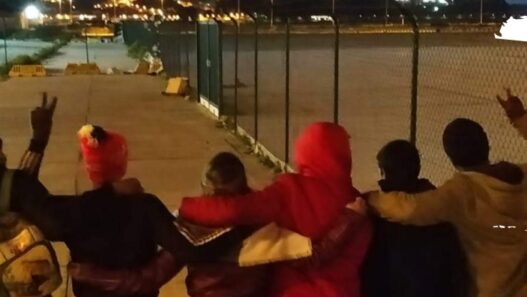
Beyond Emergency Care: Protecting Unaccompanied Children
When arrivals of unaccompanied children rise sharply, protection systems come under pressure. Elisa…
September 11, 2026
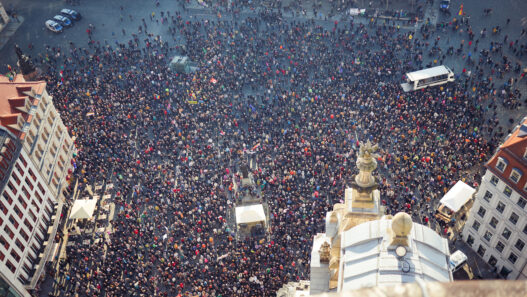
The AfD’s Stronghold: Explaining Support in Saxony-Anhalt
With the AfD on the verge of a historic breakthrough, political scientist Jan Niklas Reiche discusses the…
July 23, 2026
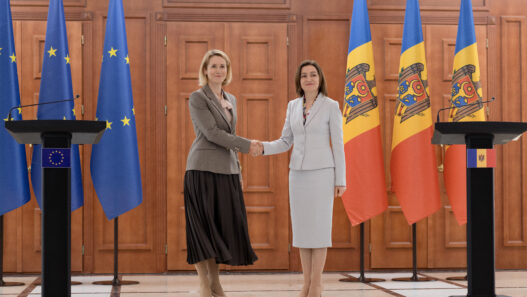
Moldova’s European Future and the Transnistria Question
Yelizaveta Landenberger elaborates in this expert commentary on the increasing political pressure on…
July 14, 2026
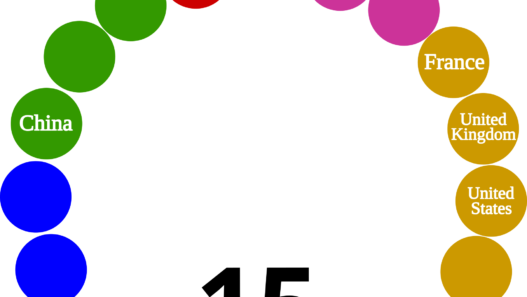
The Future of International Law
Expert Commentary by Benjamin Dürr, international lawyer, political scientist, and author
July 10, 2026
Silvia Salis and the Progressive Left in Italy
Expert Commentary by Andrea Ghianda, ECCO Climate, Milan
June 3, 2026
More Articles
January 26, 2026
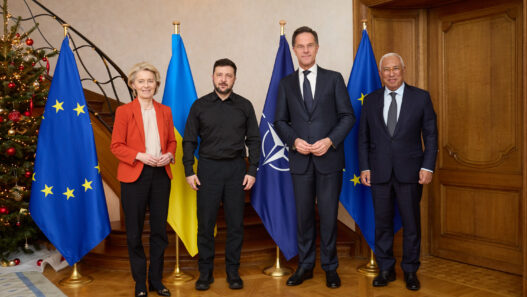
January 23, 2026
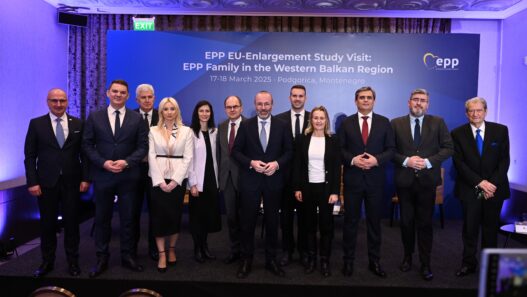
January 15, 2026
January 9, 2026

January 8, 2026

December 24, 2025
December 22, 2025
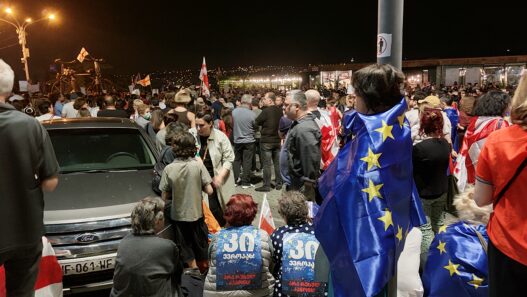
December 10, 2025
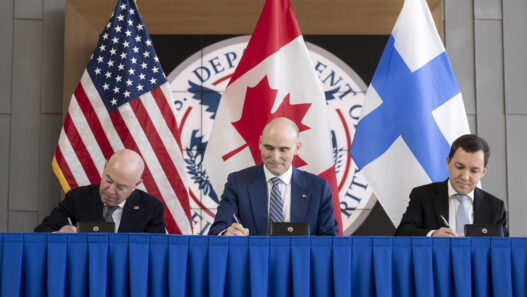
December 3, 2025