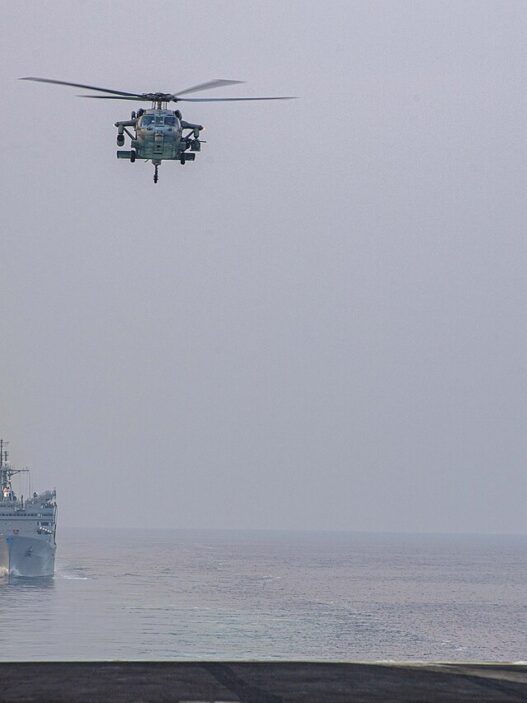








The United States deployed the USS Theodore Roosevelt to the Middle East on November 15, bringing the number of US aircraft carriers operating in the region to three. The deployment comes amid stalled negotiations with Iran and uncertainty over the ceasefire’s durability and subsequent diplomatic arrangements. Although President Donald Trump described further strikes as unlikely, he maintained that US forces remained prepared to respond if necessary.
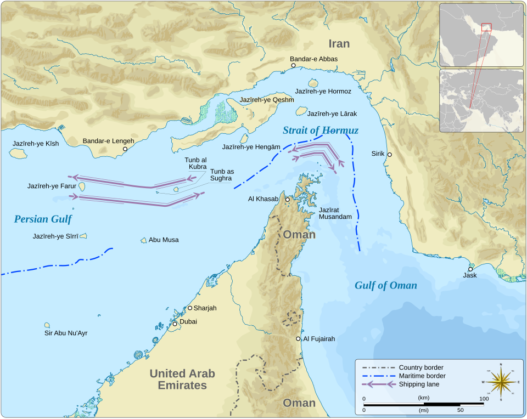
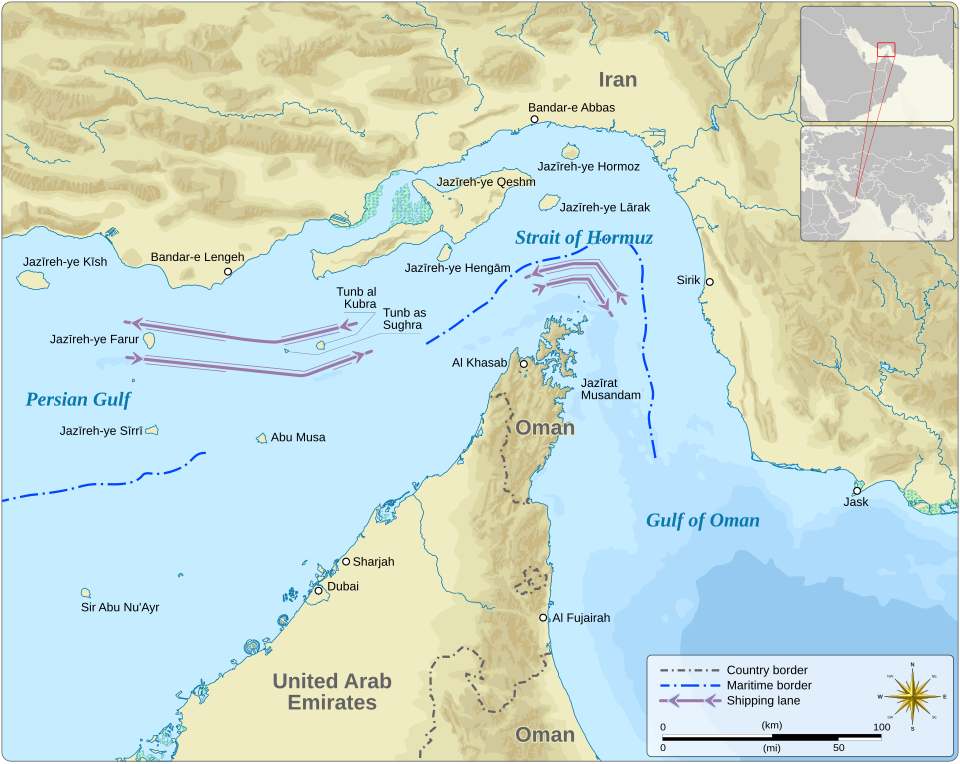
The United States and Iran exchanged fire on November 17, after Iran’s Islamic Revolutionary Guard Corps (IRGC) claimed to have targeted a US radar installation at Sheikh Isa Air Base in Bahrain. US fighter jets subsequently struck an Iranian missile launch site on Qeshm Island, near the Strait of Hormuz. Bahrain reported intercepting the attack, with no casualties or damage.
Iran launched further attacks against Kuwait and Bahrain on November 18, including drone strikes targeting a US-used airbase in Kuwait and additional attacks on Bahrain. The incidents followed the US strike on Qeshm Island and marked a renewed escalation after a period of relative calm. The attacks have increased the risk of the conflict spreading further across the Gulf.
Regional governments and organisations condemned Iran’s attacks. Saudi Arabia denounced the strikes on Kuwait and Bahrain, as well as an attack on a United Arab Emirates-linked tanker transiting the Strait of Hormuz. The Arab League and Gulf Cooperation Council also warned that the incidents threatened regional security and could widen the confrontation. Qatar called the attacks a dangerous escalation that could undermine diplomatic efforts.
The International Atomic Energy Agency (IAEA) continues to face restrictions on access to Iran’s nuclear facilities. France, Germany, the United Kingdom and the United States expressed concern that little progress had been made in verifying Tehran’s nuclear activities. The IAEA has reported that it has not received information on the status of Iran’s declared nuclear facilities and nuclear material, and has not been granted access to the sites it requested to inspect.
Saudi Arabia’s capital, Riyadh, was targeted in a Houthi attack on November 19, damaging several floors of the Public Investment Fund (PIF) Tower in the city’s financial district and nearby buildings. No injuries were reported. The Houthis also claimed to have targeted King Khalid International Airport, Khamis Mushait airbase and a petrochemical facility in Jubail.
Maritime security incidents around the Strait of Hormuz increased in October and November. The United Kingdom Maritime Trade Operations (UKMTO) recorded 31 reported attacks in and around the strait in October and approximately 19 more by November 18. The International Maritime Organisation (IMO) confirmed 34 attacks over the same two-month period. The increase threatens commercial shipping and energy exports through one of the world’s most strategically important maritime routes.
The latest developments highlight the fragility of diplomatic efforts to end the conflict. Continued US-Iran exchanges, attacks on Gulf states and Houthi operations against Saudi targets risk widening the confrontation, while restrictions on nuclear inspections and disruptions to maritime traffic add further complications to regional stability and global energy security.
Sources:
- France, Germany, UK and US raise concerns over UN nuclear inspector access in Iran – Al Jazeera
- USS Roosevelt arrives in the Middle East – Al Jazeera
- Iran attacks US military radar system in Bahrain with drones – Reuters
- Kuwait, Bahrain face new Iran attacks after US strike on Qeshm Island – Al Jazeera
- Riyadh’s tallest skyscraper hit in Houthi strike on Saudi wealth fund HQ – Reuters
- Strait of Hormuz attacks have increased to the highest level since Iran war began – ABC News