







UN Developments
“Even wars have rules,” declared the Emirati Minister of State during the UN General Assembly in 2024, urging all parties to respect humanitarian law, from Gaza to Lebanon. The United Nations continues to be central to international discussion on the Palestinian issue: how it is represented; how it can be protected in humanitarian terms; how it can be recognized in a statehood process. General Assembly resolutions overwhelmingly endorse Palestinian rights in a manner reflecting widespread global agreement on rules of self-determination and international law. But, since Security Council deadlock, due to veto powers such as the United States, renders these resolutions legally non-enforceable, discussion beyond procedural politics has wider symbolic importance: it affects international norms, determines global media narratives, and lays down precedents about how other occupied or sovereign nations can be addressed in a conflict scenario.
The Gulf States’ Diplomatic Balancing Act
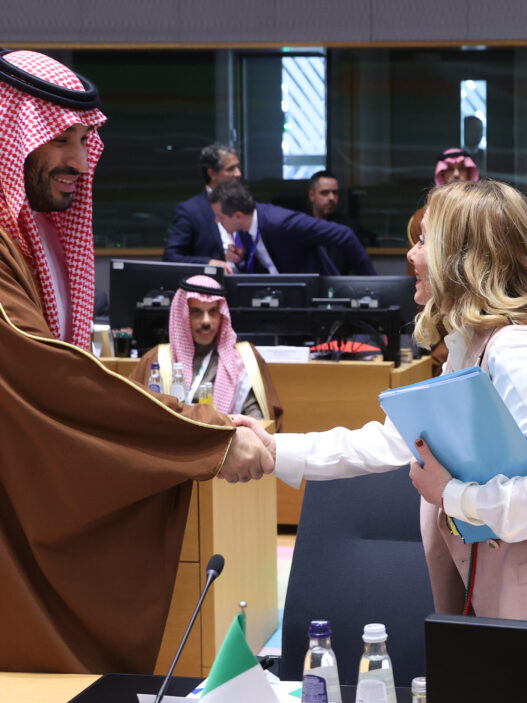
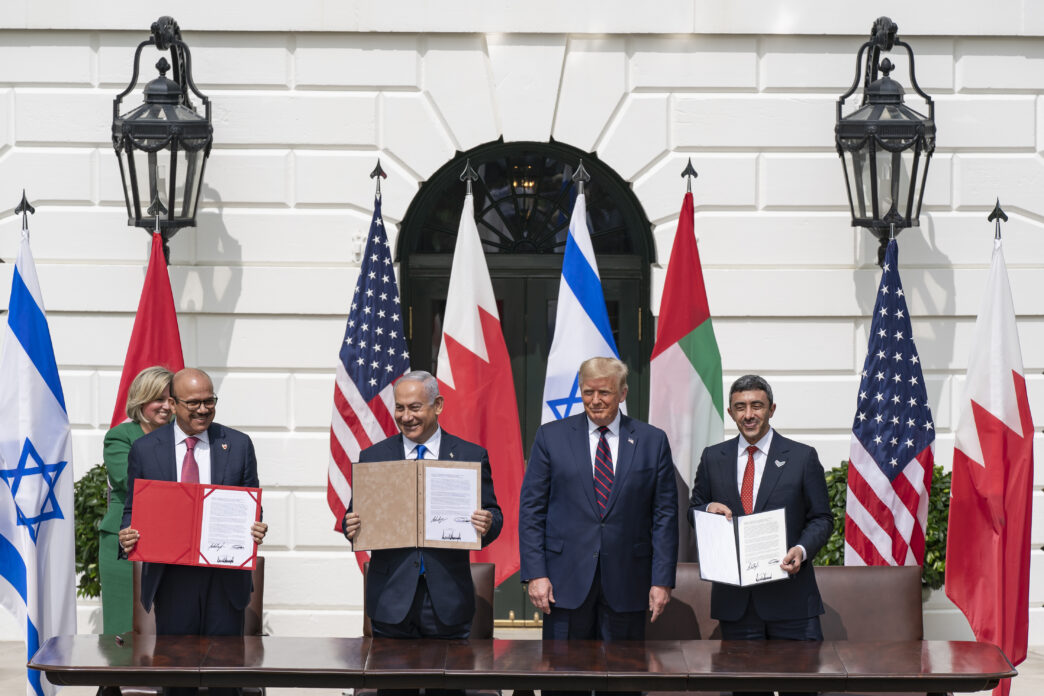
Gulf states hold an ever-more nuanced role within this shifting environment. Traditionally, they have carried out both symbolic and material solidarity on behalf of the Palestinian cause, echoing public opinion and Arab solidarity. But the 2020 Abraham Accords and other normalisation agreements with Israel have required a reevaluation of regional agendas. Gulf diplomacy now operates within a binodal system: it has to maintain legitimacy within the Arab and Muslim sphere while, at the same time, advancing strategic alliances with Israel, the United States, and other world economic leaders. This inherent squeeze has a profound impact on coordinated Gulf strategies within UN debates as well as on both voting records and public diplomatic positions.
Gulf relations with both Israel and Palestine enable them to function as de facto mediators, a role becoming progressively evident in UN forums and intra-regional diplomacy. By identifying themselves as brokers, the Gulf states achieve a structural advantage within wider Middle East negotiations, ranging from conflict stabilisation to energy security deals. This mediatorial role further gives them bargaining in multilateral forums: Gulf states can selectively pass votes on resolutions, table humanitarian proposals, and influence debate on the protection of civilians while solidifying influence alongside major powers.
Voting patterns of the Gulf Arab states at the UN reflect a delicate calculus. Supporting Palestinian rights is in line with pan-regional solidarity, local public opinion, and past commitments. On the negative side, abstentions or differentiated voting indicate alignment with wider geopolitical objectives, such as strengthening ties with Israel or preserving leverage among Western allies. These calculations are motivated less by doctrine and more by signaling: exhibiting respectability as responsible regional players while refraining from confrontations that can undermine economic or security ends. 
Security Implications
UN debates regarding Palestine have indirect security consequences for the Gulf. Domestic instability in Palestinian societies, coupled with Iranian influence via proxies such as Hamas, has a direct effect on Gulf risk assessment. Security engagement against Israel, information sharing regarding intelligence, and counterterrorism efforts are all subject to UN narratives regarding the conflict. Even non-binding votes on a symbolic level can affect conflict dynamics on the ground that has a direct influence on Gulf security arrangements.
Accompanying strategy, Gulf action at the United Nations is an exercise of soft power. Through active participation in debate, proposals to conduct humanitarian efforts, and balancing global and regional interests, Gulf states signal political sophistication and their leaders’ commitment towards peaceful conflict resolution. These efforts fulfill a narrative of responsible statehood: a state adept at enforcing global norms while effectively managing intricate bilateral and multilateral relationships. Restoration of this balance can erode domestic and global credibility, however, especially as younger audiences in the Gulf call upon states to take principled positions regarding human rights and justice.
Long-Term Regional Effects
The Gulf’s UN engagement reveals a broader shift in Middle East diplomacy. With ongoing normalisation with Israel and diversification in Gulf economies, states such as Saudi Arabia and the UAE are redefining their roles: shifting from symbolic supporters of the Palestinian cause to pragmatic regional players who utilize it to gain wider influence. Highlighting historical loyalties, exposes strategies, and serves to enlarge the repercussions of regional choices. Gulf diplomacy here is likely to impact not only Palestinian but even conflict resolution patterns, alliance making, and regional governance across the wider Middle East for decades to come.