








A Major Blackout Exposes Europe’s Energy Fragility
While power blackouts are not uncommon in various parts of the world, the scale and cross-border impact of the power outage on 28 April 2025 the power outage on 28 April 2025 marked it as one of the most significant energy disruptions in recent European history. Its timing, amid ongoing efforts to decarbonise the EU’s energy system, reduce dependency on fossil fuels and enhance cross-border electricity flows, served to magnify its implications. It was a wake-up call, exposing not just a technical failure but also a systemic vulnerability that stems from an incomplete and imbalanced approach to energy interdependence.
This article critically assesses the causes, consequences and broader political significance of the April 2025 blackout, examining its place within the EU’s energy policy landscape and exploring what it reveals about the operational limits of solidarity in energy governance. It further identifies gaps in infrastructure, regulation and crisis coordination, offering an analytical lens through which to understand the challenges of securing an integrated and resilient European energy future.
A Continent in the Dark 
The blackout began at approximately 11:33 a.m. Lisbon time (12:33 p.m. in Madrid) and quickly rippled through high-voltage transmission networks. Preliminary reports indicate that the incident was preceded by two periods of voltage and frequency oscillations detected 30 minutes before the blackout. These fluctuations were mitigated by grid operators in Spain and France. Power restoration efforts began shortly after, with full recovery in Portugal by 23:22 p.m. Lisbon time and in Spain by 04:00 a.m. in Madrid.
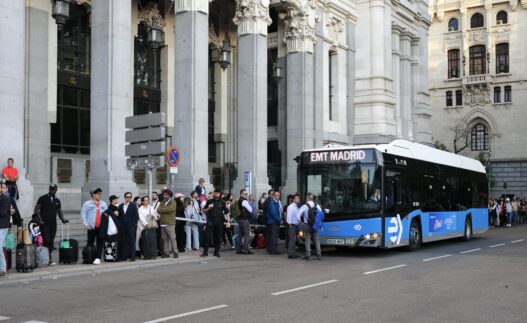
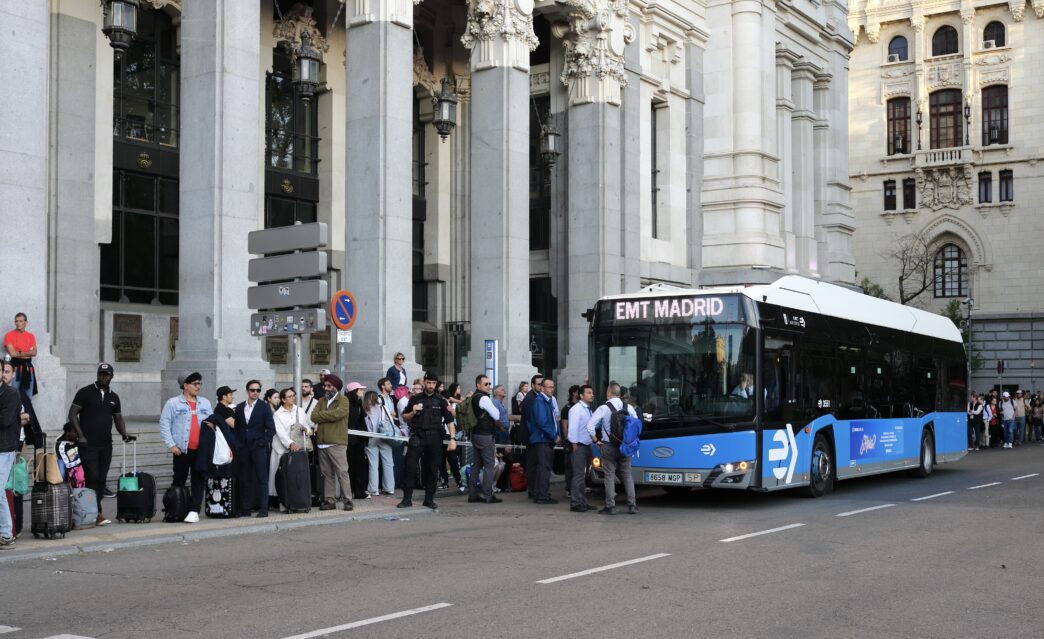
Major cities such as Lisbon, Madrid and Toulouse experienced full or partial blackouts. Hospitals ran on emergency power. Airports grounded flights. Train lines were halted and digital communications were disrupted, affecting banking and emergency services alike.
This event was not without precedent. In 2006, a similar Europe-wide blackout, sparked by a de-energised transmission line in Germany, left over 15 million households in the dark. Although the EU has since introduced numerous regulatory measures aimed at enhancing energy security and cooperation, the 2025 blackout exposed lingering fragilities and the incomplete implementation of lessons learned nearly two decades earlier.
Interconnection as a Double-Edged Sword
This recent blackout across the Iberian Peninsula has underscored the complexities of Europe’s interconnected electricity markets. While cross-border transmission facilitates load balancing and price harmonisation, it also introduces vulnerabilities. In this incident, Portugal’s suspension of electricity imports from Spain, following a major grid failure, led to a significant surge in Portuguese power prices, highlighting the risks associated with interdependence.
The Iberian Peninsula has long been considered an “energy island” due to its limited interconnections with the broader European grid. Spain’s interconnection capacity with France stands at approximately 2.8 GW, representing about 2.8% of its installed capacity, well below the EU’s 15% target for 2030. Similarly, Portugal’s interconnection is primarily through Spain, further emphasising the region’s isolation.
Efforts are underway to address these shortcomings. The European Commission, along with the energy ministers of France, Portugal and Spain, signed a Memorandum of Understanding in December 2023 to strengthen cooperation on cross-border energy infrastructure. Key projects include the Bay of Biscay interconnection, which aims to double the capacity between Spain and France to 5 GW by 2027.
However, the challenges are not solely technical. Geographical barriers, such as the Pyrenees and environmental concerns have historically impeded infrastructure development. Moreover, political inertia and fragmented investment strategies have contributed to the region’s persistent underconnectivity.
This fragmentation leaves peripheral regions vulnerable, not only to blackouts but also to market distortions. The lack of infrastructure creates energy price divergence and undermines the integrity of the internal energy market. It also hinders the EU’s decarbonisation strategy, which depends on flexible, cross-border flows of renewable electricity.
Regulatory Gaps and Institutional Fragmentation
The EU has made significant efforts to establish a coherent framework for energy governance. The Clean Energy for All Europeans package, adopted in 2019, aimed to streamline regulation, support renewable integration and strengthen consumer rights. Complementary legislation, such as the Regulation on Risk-Preparedness (EU 2019/941) and the revised TEN-E Regulation, sought to improve crisis coordination and prioritise strategic infrastructure investments. However, these initiatives have not been matched by consistent implementation across member states.
Energy remains a shared competence within the EU, with member states retaining primary control over their energy mix and national security policies. This results in uneven standards of preparedness, inconsistent regulation and varying investment levels. The European Agency for the Cooperation of Energy Regulators has a monitoring and advisory role but lacks the power to enforce cross-border compliance. The coordination abilities of the European Network of Transmission System Operators for Electricity (ENTSO-E), an association representing the European electricity transmission system operators, are constrained by its non-binding authority.
During the 2025 blackout, these limitations became painfully visible. While some national authorities responded swiftly, others lacked protocols for regional cooperation. Information-sharing between grid operators was delayed. Emergency communication channels between member states and the European Commission were underutilised. No EU-level operational body exists to lead or oversee real-time crisis management in the electricity sector.
Cybersecurity Concerns in a Digitalised Grid
Another critical dimension of the April blackout is the growing cybersecurity threat. Although this incident was not attributed to a cyberattack, the speed and scope of the disruption led to speculation, highlighting the fragility of increasingly digitalised energy systems. Smart grids, AI-driven distribution and IoT-enabled devices (interconnected gadgets capable of collecting and exchanging data over the internet or other networks) offer efficiency gains but also expose critical infrastructure to hacking, data breaches and software failures.
The EU NIS2 Directive 2, adopted in 2023, obliges member states and operators of essential services to enhance their cyber defences. However, its success depends on national capacity and political will. Cybersecurity remains uneven across the EU and cooperation in this field is often reactive rather than proactive. Some experts have called for a pan-European cybersecurity command centre for critical infrastructure, integrated into the European Union Agency for Cybersecurity (ENISA), with investigative and intervention powers.
Solidarity on Trial
The concept of solidarity is foundational to the European Union. It is inscribed in the Treaties and underpins key policy domains, from cohesion funding to asylum policy. In the energy sector, the Court of Justice of the EU affirmed its legal weight in the 2021 OPAL pipeline case, declaring that solidarity must guide energy-related decisions (Case C-848/19 P). In this case, the Court ruled that solidarity is a binding legal principle in EU energy policy, not merely a political aspiration. This means that energy decisions, particularly those with cross-border implications, must take into account the security interests of all Member States. Yet when crisis strikes, solidarity often becomes a rhetorical tool rather than an operational reality.
In response to the blackout, the European Commission organised emergency coordination meetings, but no centralised support mechanism was deployed. Member states focused on managing domestic fallout. Portugal and Spain initiated bilateral consultations but received limited material support from other countries.
Calls for a European Energy Resilience Mechanism have gained momentum since the blackout. Such a mechanism could function similarly to the EU Civil Protection Mechanism, offering logistical, technical and financial support during emergencies. Proposals include a permanent task force within DG Energy, a dedicated crisis fund and shared strategic reserves of grid components and fuel.
Public Perception and Political Response
The blackout provoked significant media coverage and public anxiety. Opinion polls showed a sharp decline in public trust towards both national energy regulators and EU institutions. Citizens criticised the lack of real-time information, confusing public messaging and the perceived absence of contingency protocols.
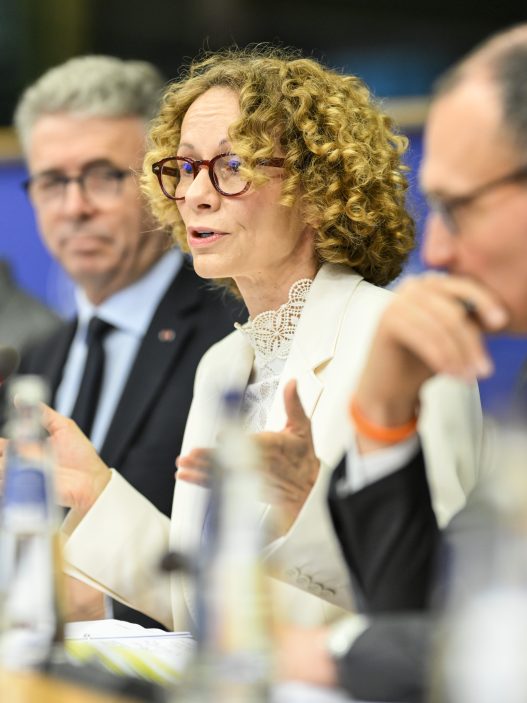
In the European Parliament, the Committee on Industry, Research and Energy (ITRE) convened to address the incident’s implications. Members emphasised the need for improved coordination and investment in the energy grid to prevent future occurrences. Discussions centred on enhancing grid resilience, integrating renewable energy sources and simplifying processes to meet the EU’s energy transition goals.
Simultaneously, the Council of the European Union, under the Belgian presidency, organised an informal meeting of energy ministers to deliberate on funding instruments and regulatory harmonisation aimed at strengthening the EU’s energy infrastructure.
Civil society groups also entered the debate. The European Environmental Bureau (EEB) reiterated its stance that energy resilience must be pursued without compromising sustainability goals. In a 2024 policy paper, the EEB advocated for green infrastructure investments and warned against locking in long-term fossil fuel dependencies as a response to systemic shocks.
Learning from Others: Comparative Insights
Energy resilience is not solely a European concern. Other jurisdictions have faced similar crises and implemented instructive reforms. In the United States, the Texas power outage of 2021, caused by extreme weather and grid mismanagement, led to regulatory reviews, mandatory emergency alert systems and improved coordination via the Texas Energy Reliability Council.
Australia, facing its own geographic challenges, has implemented Wide Area Protection Schemes and real-time data platforms to enhance grid stability. It also leads to integrating distributed energy resources like rooftop solar and battery storage, promoting decentralisation and flexibility.
These examples highlight the value of adaptive regulation, decentralised energy storage and stakeholder engagement. Europe can learn from these models by promoting flexibility within harmonisation, enabling regional autonomy without compromising systemic integrity. Resilience should not be a zero-sum game between national control and supranational oversight.
Pathways to a Resilient Future
Building a resilient European energy system requires a combination of technological, institutional and cultural transformation. Technologically, investments should focus on enhancing cross-border interconnectors, expanding flexible generation capacities and integrating real-time data systems. The EU member states and the European Commission have been actively promoting such initiatives, including the development of geothermal energy projects to diversify energy sources and reduce reliance on imports.
Institutionally, the EU has been conducting comprehensive exercises to test and improve its energy crisis response mechanisms. For instance, the EU Integrated Resolve 2024 exercise aimed to bolster the EU’s capacity to manage complex crises, including those affecting the energy sector. Additionally, the EU has been working on updating its recommendations for coordinated responses to large-scale cybersecurity incidents, recognising the growing threat to energy infrastructure.
Culturally, it is imperative to reconceptualise energy interdependence not as a vulnerability but as a collective asset essential to the European project. The resilience of the Union’s energy system cannot be secured solely through technological innovation and institutional reform, it requires the cultivation of a shared European energy identity grounded in solidarity, innovation and mutual trust. This necessitates comprehensive public education initiatives, the integration of energy literacy into school and university curricula and strategic engagement with media platforms to foster informed and constructive public discourse. Furthermore, citizens must be recognised and empowered not merely as consumers but as active stakeholders in the energy transition. Participation in community energy projects, demand-response programmes and local adaptation strategies enables greater democratic legitimacy and accountability, strengthening the collective capacity to respond to future energy challenges. Such cultural transformation is essential to underpinning the union’s ambition for a resilient, integrated and sustainable energy future.
Conclusion: The Lights Must Stay On
The blackout of April 2025 was not merely a technical anomaly. It was a systemic warning, a moment that illuminated the limits of the current EU energy architecture. It revealed gaps in infrastructure, inconsistencies in regulation and shortcomings in coordination that threaten the credibility of Europe’s energy transition. But it also offers a unique opportunity to rethink and reforge the foundations of a truly resilient Energy Union.
Resilience must be the next frontier of integration. A successful transition to a low-carbon, interconnected energy future depends not just on decarbonisation but on the durability of the systems that sustain it. The EU must act boldly, collectively and transparently to ensure that the lights never go out again.