







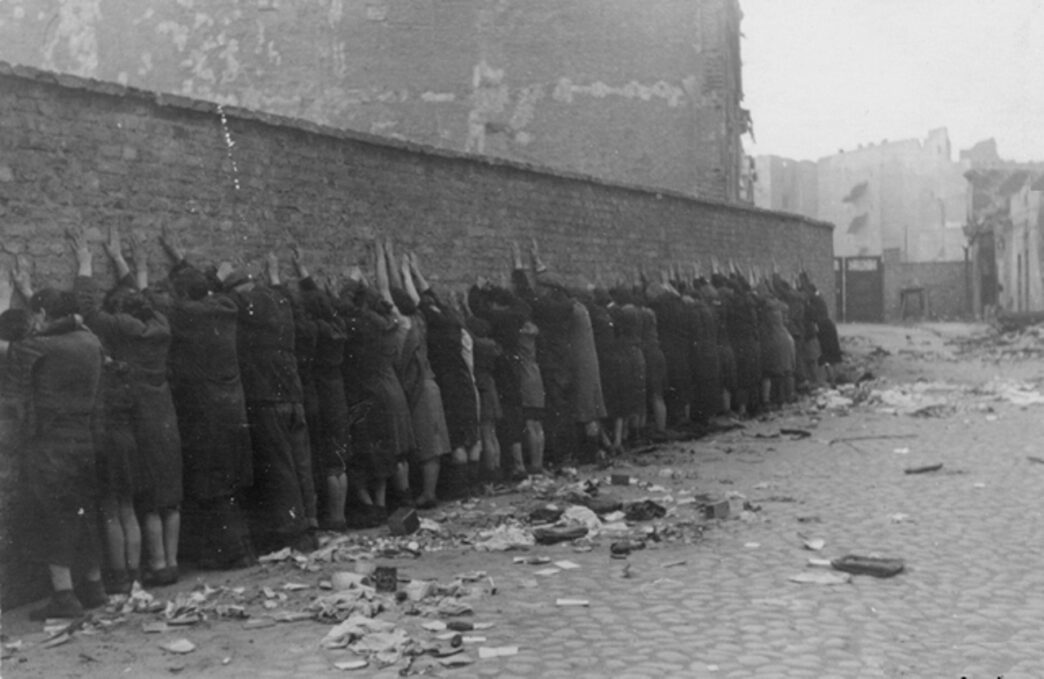
Historian Emanuel Ringelblum and the underground Oneg Shabbat group secretly collected testimonies, diaries, letters and other documents recording Jewish life and persecution under Nazi German occupation
As the Holocaust intensified, members buried the collection underground. On 18 September 1946, the first ten metal boxes were recovered from the ruins of Warsaw; another part was found later, while a third remains missing
Nazi Germany organised and carried out the Holocaust, but historians have also documented cases of individual Poles participating in the persecution and murder of Jews – a difficult part of Poland’s wartime history that remains politically sensitive
Warsaw is marking the 80th anniversary with exhibitions, a scientific seminar and a ceremony on 18 September. The commemorations also explore questions of memory, responsibility and the meaning of testimony today
Sources: Jewish Historical Institute Warsaw, POLIN Museum of the History of Polish Jews, DIE ZEIT
Transparency Note: Use of AI