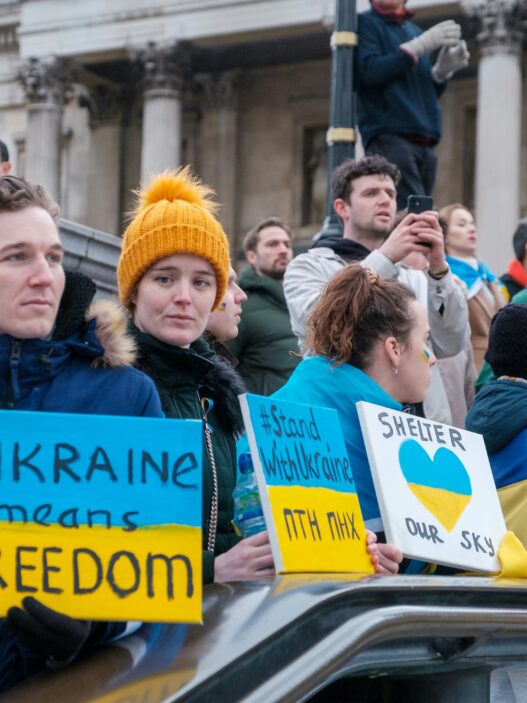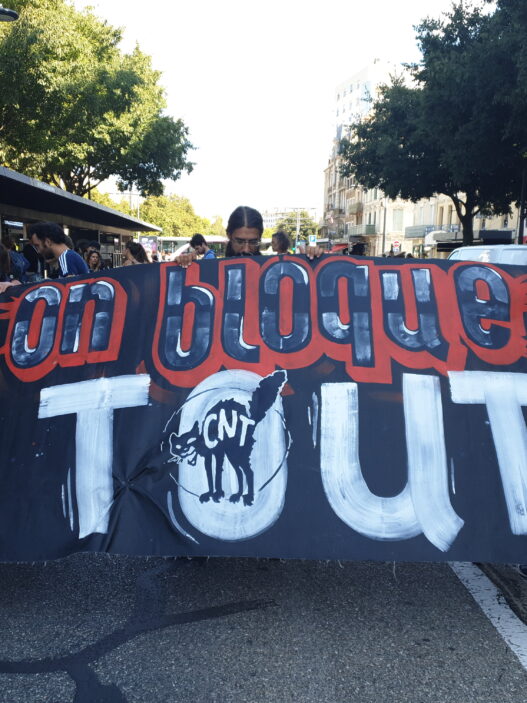










In March, higher education universities in the Netherlands went on strike to protest the proposed budget cuts by the Ministry of Education, Culture and Science, or OCW as it is abbreviated in Dutch. Staff put their work on hold and students skipped out on classes or lectures to fill the streets holding ‘HO KABINET SLOOPT HOGER ONDERWIJS’ signs, translated to ‘CABINET DEMOLISHES HIGHER EDUCATION.’ These strikes were held when the education budget cuts were projected but not officially approved.
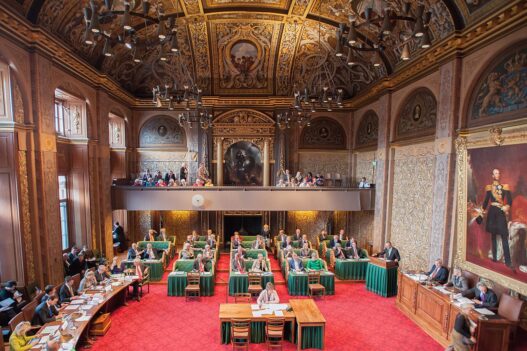
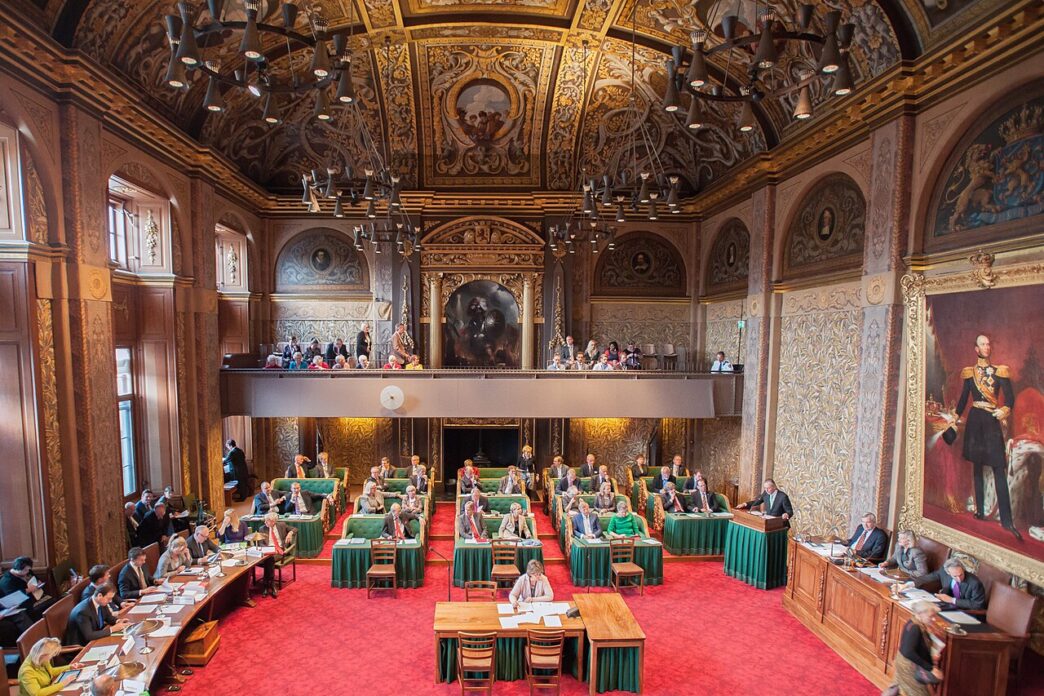
However, the majority in the Senate officially approved the new budget on April 8th, making the 500 million euros cuts per year to higher education a fact. The budget was previously approved by the House of Representatives in December. “We will continue to campaign hard against this. Yesterday at the VU in Amsterdam, today in Rotterdam, the day after tomorrow in Tilburg,” says Thijs Roovers, the chairman of AOb, the largest education union in the country. Further strikes are planned in multiple cities including Tilburg, Maastricht, and Eindhoven, with many more cities expected to follow in the coming weeks. Roovers is calling for a clear message to be sent and for the attention to be turned to the cabinet’s Spring Memorandum, a budget review for the remainder of this year and the coming years, as more cutbacks are being threatened. Opposition will take another form besides the strikes. After the decision from the Senate was released, Tilburg University, among other universities, announced its intent to initiate legal proceedings. Roovers expresses some optimism with legal proceedings, “Experts, civil servants at the ministry and even parties that voted for the budget indicate that the minister can get wet in court. Bruins has said that he is confident about a lawsuit. I would almost say: you are asking for it.”
The decision by the Senate to approve the cuts comes from the coalition of PVV, VVD, NSC and BBB, political parties all with center-right or far-right ideologies, along with the CDA, ChristenUnie, SGP, JA21, FVD and 50Plus, parties on the same end of the political spectrum. The rise and ruling of right-wing governments can be seen in the broader European context. The year 2024 was characterized by a shift in the political landscape from right to far-right. France, Belgium, Austria, and Portugal commonly share this political shift. What this means for the future of Europe will continue to unfold in the coming years, but for the Netherlands, it evidently means a devastating cut to the higher education budget.