












A new EU migration system promises reform
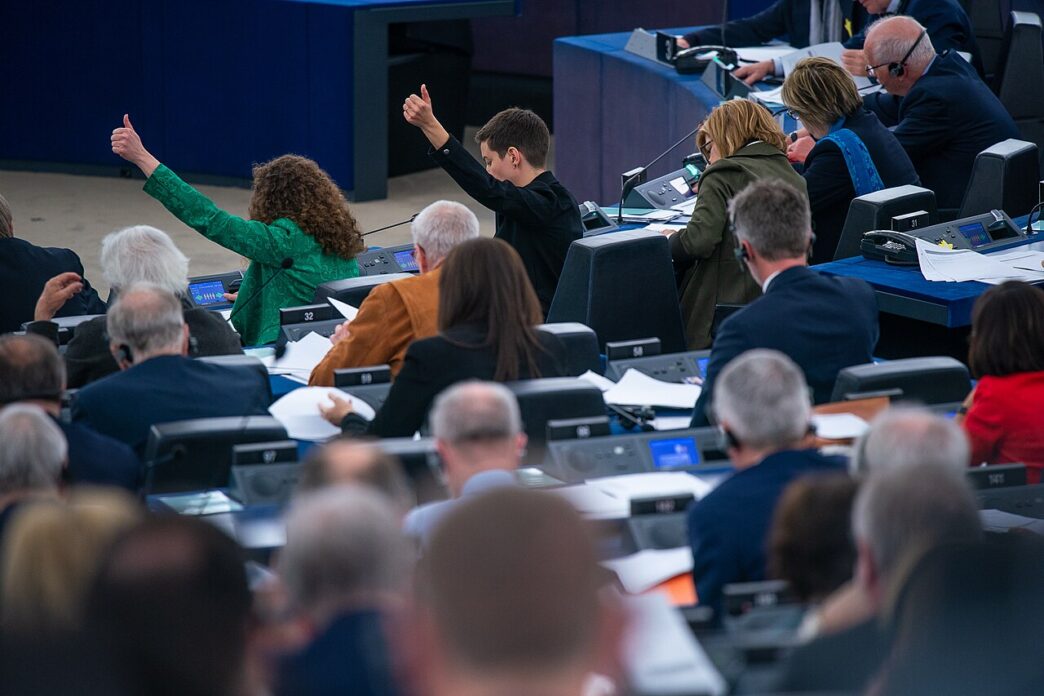
In April 2024, after years of stalled negotiations and political impasses, the European Union reached a long-awaited agreement on the Pact on Migration and Asylum, which was formally adopted by the European Parliament in that same month and by the Council of the European Union in May 2024. Hailed by the Commission as a “fresh start” and a more “humane and effective” approach to managing migration, the Pact aims to strike a balance between responsibility and solidarity among Member States. However, beneath the rhetoric of reform lies a deeper question: does the Pact genuinely advance a fairer system or does it reinforce existing imbalances and securitised practices? This article analyses the Pact’s key provisions and the political dynamics surrounding its adoption, shedding light on its implications for frontline states, displaced individuals and the EU’s commitment to human rights.
From Deadlock to Deal: What Changed?
The 2015 migration crisis exposed the structural weaknesses of the Common European Asylum System (CEAS), revealing an overreliance on frontline Member States and a lack of effective burden-sharing. The Dublin Regulation placed disproportionate pressure on countries such as Greece and Italy, creating humanitarian bottlenecks and overburdening border infrastructures. 
Attempts at reform faltered amid political resistance from several Member States, leading to a climate of mistrust and fragmentation. The lack of consensus on equitable responsibility-sharing revealed the profound divisions between national interests and the Union’s collective aspirations.
The New Pact on Migration and Asylum emerged from this deadlock as an attempt to restore consensus through a more “flexible” solidarity mechanism. Rather than mandating refugee relocation across all Member States, the Pact allows countries to choose between relocation, financial contributions or operational support. This “solidarity à la carte” was key to securing broad agreement, but it raises fundamental questions about the depth and durability of the EU’s solidarity commitment. We can consider that by abandoning binding solidarity, the Pact risks perpetuating inequalities and eroding mutual trust essential to the Union’s cohesion.
Moreover, the structural compromise embedded in the Pact may provide only temporary political relief. Future crises, especially those involving large-scale displacement, could easily reignite tensions, highlighting the fragility of the current consensus.
Conditional Solidarity and Asymmetrical Responsibilities
Critics argue that the Pact perpetuates the externalisation of migration control and entrenches asymmetrical responsibilities. Border states are still expected to act as gatekeepers, conducting fast-track procedures under strict timelines, often within newly established “border centres“. These centres, resembling detention facilities, raise serious concerns regarding access to legal assistance and fair procedures. The expansion of border procedures, particularly for applicants from countries with low recognition rates, is emblematic of the Pact’s securitisation logic. Accelerated processing risks undermining procedural safeguards and could lead to the refoulement of individuals genuinely in need of protection.
Furthermore, the introduction of pre-entry screening processes, including biometric data collection contributes to a surveillance-oriented approach to migration governance. Organisations such as PICUM warn that the Pact risks normalising widespread migrant surveillance under the guise of efficiency. These measures could infringe upon privacy rights protected under the General Data Protection Regulation (GDPR) and the EU Charter of Fundamental Rights.
The European Union Agency for Fundamental Rights has also flagged the potential dangers for vulnerable groups, including children, victims of trafficking and those with special reception needs. The combination of accelerated procedures and quasi-detention settings risks violating Article 18 of the EU Charter of Fundamental Rights, which guarantees the right to asylum.
Civil society organisations, including Amnesty International and Human Rights Watch, have criticised the Pact for prioritising speed and deterrence over fairness and dignity. They warn that these practices could transform Europe’s borders into zones of legal exception, where fundamental rights are subordinated to migration control imperatives.
Who Really Benefits from the Pact?
Viewed from a human-centred perspective, the Pact appears primarily focused on deterrence rather than protection. While framed as a necessary modernisation of the CEAS, its provisions reveal a continuing emphasis on screening, containment and rapid removal. The partnerships with third countries, often praised as a means of managing migration “upstream”, raise serious ethical and legal concerns. Many partner countries, such as Libya and Tunisia, have poor human rights records and returns to unsafe environments could contravene international protection obligations, including the principle of non-refoulement.
Moreover, the Pact introduces a presumption of inadmissibility for applicants coming through safe third countries, even if those countries are unsafe for individual applicants. The logic of border externalisation, long criticised by human rights organisations, is thus formalised and expanded. Despite the potential for more harmonised standards across Member States, the risk remains that the Pact will lower protection benchmarks rather than raise them.
The United Nations High Commissioner for Refugees (UNHCR) welcomed the Pact’s adoption but emphasised that its success hinges on rights-based implementation. The UNHCR has underlined that accelerated timelines, coupled with pressure for swift returns, could erode the quality of asylum adjudication, particularly for complex cases.
Furthermore, the financial incentives embedded in the flexible solidarity mechanism raise questions about the commodification of asylum responsibilities. By allowing Member States to discharge their obligations through financial means, the EU risks reinforcing a transactional logic that undermines the moral and legal imperatives of protection.
A Shifting EU Identity?
The tensions within the Pact reflect broader questions about the European Union’s normative identity. As an actor committed to human rights, democracy and the rule of law, the EU’s internal and external migration policies are critical litmus tests of its credibility. The securitisation of migration governance reveals an increasingly pragmatic, interest-driven approach that risks eroding the EU’s self-conception as a normative power. In theoretical debates, this shift has been analysed as part of a broader trend towards the “Fortress of Europe”, where security imperatives outweigh humanitarian concerns.
The European Parliament and civil society organisations have consistently advocated for a rights-based migration framework. Yet, during the final negotiations, political compromises diluted many of the Parliament’s proposals, prioritising Member State discretion over binding solidarity. The result is a Pact that, while politically expedient, leaves unresolved the fundamental tension between managing migration and upholding human rights obligations.
Without genuine co-responsibility mechanisms, the risk of future crises and renewed fragmentation remains high. The reliance on third-country cooperation without adequate human rights safeguards could expose the EU to allegations of complicity in rights violations beyond its borders.
Public trust in the EU’s migration policies also hinges on the perceived fairness and humanity of its actions. The normalisation of containment and deterrence risks alienating sectors of European societies committed to inclusive and rights-based approaches, thereby deepening internal political divides.
Moreover, the way migration narratives are framed plays a crucial role in shaping public perceptions and political debates. The language of “crisis” and “threat” has been pervasive, often fuelling fear and xenophobia. A deliberate shift towards narratives of resilience, contribution and shared humanity could counteract polarisation and foster more constructive approaches to migration governance.
Civil Society and Local Actors: The Forgotten Players
An often-overlooked dimension of the migration debate is the role of civil society organisations, local authorities and migrant-led initiatives in shaping reception and integration policies. These actors have historically filled the gaps left by state inaction, particularly during the 2015 crisis.
The Pact pays little attention to the contributions of non-state actors. By centring migration management within state-centric frameworks, it risks marginalising community-based responses that have proven crucial for successful integration.
Empowering local actors and civil society organisations could enhance the legitimacy and effectiveness of migration governance. A more bottom-up approach would align with the EU’s broader commitments to participatory democracy and subsidiarity.
Moreover, migrant and refugee-led organisations bring invaluable insights into the challenges and opportunities of integration processes. Their participation in policy development can ensure that migration policies are not only about migrants but are shaped with migrants, recognising their agency and voice.
Looking Ahead: Challenges and Opportunities
The adoption of the Pact represents a significant political moment but not necessarily a definitive solution to Europe’s migration challenges. Implementation will be key. Ensuring that accelerated procedures respect fundamental rights, that solidarity mechanisms genuinely reduce pressure on frontline states and that partnerships with third countries adhere to human rights standards will determine the Pact’s ultimate success or failure.
Moreover, the Pact must be situated within the broader context of global migration trends. Climate change, demographic shifts and geopolitical instability will continue to drive displacement. The EU must prepare for these realities not through fortification but through genuine international cooperation and investment in sustainable development.
A more humane migration policy would involve expanding safe and legal pathways to protection, enhancing resettlement programmes and creating avenues for labour migration that respect migrant rights. The New Pact, while a step forward in procedural harmonisation, falls short of this transformative vision.
It is also crucial to monitor the implementation phase closely. The establishment of independent monitoring mechanisms, involving civil society and international organisations, could help ensure that fundamental rights are not sidelined during operationalisation. Transparency and accountability will be vital for maintaining public trust and upholding the EU’s values.
Education and awareness-raising initiatives targeting European societies are equally important. Promoting inclusive narratives about migration can foster social cohesion and counteract misinformation and populist backlash. A truly sustainable migration policy must address not only legal and procedural aspects but also the broader societal context in which migration takes place.
Conclusion: The Future of European Solidarity in Question
The analysis of the Pact on Migration and Asylum reveals a European Union still grappling with deep internal tensions that hinder the construction of a truly equitable and rights-based migration policy. Despite its reformist discourse and institutional innovations, the Pact fails to decisively break with the dominant securitarian paradigm that has shaped EU migration governance over the past decade.
Instead, it consolidates practices of containment, externalisation and deterrence, often at the expense of fundamental rights. Conditional and non-binding solidarity weakens cohesion among Member States and continues to place disproportionate burdens on those at the external borders.
At stake is not only the operational success of EU migration management, but the political and ethical foundations of the European project itself. Embracing a model grounded in genuine co-responsibility, binding solidarity and unwavering respect for human rights is not merely a normative aspiration: it is a necessary condition for the Union’s future legitimacy and resilience.
In an era marked by geopolitical instability, climate-induced displacement and growing global inequality, how the EU manages migration will be a defining measure of its political maturity and its commitment to building a truly inclusive, just and humane society. Failure to uphold these principles risks not only marginalising vulnerable populations but also eroding the democratic values at the heart of the European integration project.
If the European Union aspires to be a global champion of human rights and multilateral cooperation, it must ensure that its migration and asylum policies reflect these commitments in both spirit and practice. The future credibility of Europe depends on it.
Ultimately, migration should be seen not merely as a challenge to be managed but as an opportunity to revitalise European societies, strengthen international partnerships and reaffirm the EU’s foundational values. A shift towards a truly rights-based, solidarity-driven migration policy is both possible and necessary. The time to pursue it is now.