







Brazilian President Luiz Inácio Lula da Silva overturned a first-round defeat to secure another presidential term. But a remarkable campaign comeback has left Brazil facing difficult questions about democracy, political division and its international future.
Lula da Silva has secured an unprecedented fourth term. On 25 October, he defeated right-wing challenger Flávio Bolsonaro with 51.79 percent of valid votes, against 48.21 percent for Bolsonaro, according to the Superior Electoral Court (TSE). Lula received 64.26 million votes, approximately 4.43 million more than his opponent.
The result reversed the first round on 4 October, when Bolsonaro had finished ahead. It followed three weeks of intensive campaigning, youth mobilisation and disputes over digital platforms. Yet Lula’s victory has not ended Brazil’s political divisions. His opponent initially rejected the result, while conservative and right-wing forces retain considerable power in Congress.
The Campaign That Changed Everything
Bolsonaro’s first-round lead demonstrated the continuing strength of the political movement established by his father, former President Jair Bolsonaro. Lula responded by changing his campaign strategy, particularly online. Congressman André Janones helped organise a WhatsApp network known as “Lula’s Army”, which attracted more than ten million participants. According to Agência Brasil, the campaign adopted a more informal digital approach while students and social movements organised demonstrations across the country. Young Brazilians became particularly visible during the final weeks. Their protests connected opposition to the Bolsonaro family’s political return with concerns about democracy and civil rights.
Lula acknowledged their contribution in his victory speech:
“In this runoff election, I want to thank the Brazilian youth for their generosity in taking to the streets to defend democracy.” – Agência Brasil.
Higher turnout also contributed to Lula’s comeback. The TSE reported abstention falling from 21.08 percent in the first round to approximately 19.2 percent in the runoff. However, the precise impact of youth mobilisation cannot be isolated from other factors.
The digital campaign also faced controversy. An investigation by Folha de S.Paulo revealed internal Meta communications concerning technical restrictions affecting Lula’s campaign accounts and prohibited algorithmic recommendations involving Bolsonaro’s profiles. Meta denied political favouritism, attributing the incidents to technical problems and other operational factors. The investigation did not establish deliberate electoral interference.
Bolsonaro Junior Challenges the Result
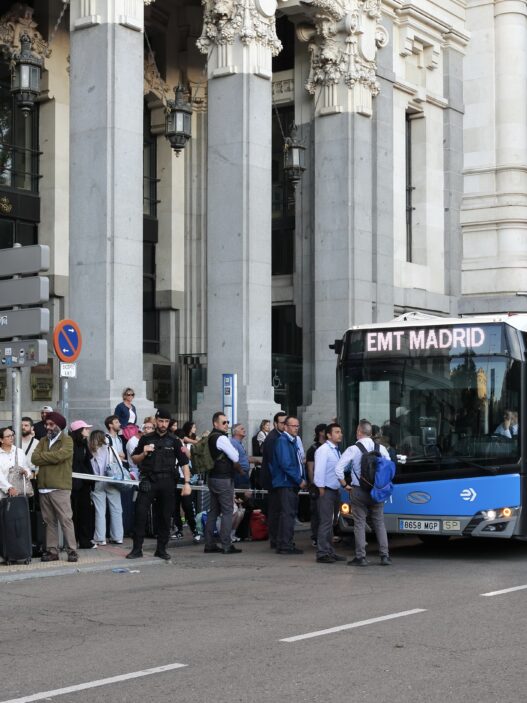
The election’s conclusion triggered a dispute over voting procedures. Severe weather and transportation difficulties had prevented some voters from reaching polling stations. Both campaigns requested additional voting time. Lula sought a nationwide extension because of public transport problems, while Bolsonaro requested more time in municipalities affected by heavy rainfall and flooding. The Supreme Federal Court subsequently ordered a two-hour extension.
Bolsonaro refused to concede and announced plans to seek annulment, arguing that the decision undermined equal electoral conditions. However, the extended voting period accounted for fewer than 35,000 votes, compared with Lula’s winning margin of approximately 4.43 million. No evidence shows the extension changed the outcome. Bolsonaro’s Liberal Party subsequently recognised the result, while maintaining that the procedural concerns required clarification. As party president Valdemar Costa Neto stated:
“We recognise the presidential election results.” – Reuters
US President Donald Trump also questioned the election’s legitimacy without presenting evidence.
The controversy illustrates the distinction between legitimate scrutiny of electoral procedures and unsupported allegations of manipulation. Brazil’s democratic institutions must address legal objections transparently while protecting confidence in the electoral process.
A President for All Brazilians?
Lula’s victory leaves him governing a deeply divided country. Almost half of voters who participated supported Bolsonaro, demonstrating the continued strength of Brazil’s political right. Public security remains one of the most pressing challenges. Organised crime, gang violence and concerns about state authority remain important to many Brazilians. Bolsonaro’s promises of tougher policing appealed to voters who believe existing policies have failed to protect them.
Lula must address these concerns alongside living costs, economic growth and corruption. Defending democracy will require more than resisting authoritarian tendencies. It will also require demonstrating that democratic government can provide security and improve everyday life. His parliamentary position complicates that task. Conservative and right-wing parties hold considerable influence in Congress, meaning legislation on taxation, public spending and environmental protection will require negotiations beyond Lula’s traditional allies.
He must therefore seek compromises without abandoning his political programme. His next term will be judged not only by his ability to defend democratic institutions, but also by whether he can govern beyond his own electoral base.
Why This Matters for Europe
For the European Union, Lula’s victory preserves an important strategic partnership. Brazil is South America’s largest economy, a central Mercosur member and an influential representative of the Global South. Its cooperation matters for trade, climate policy, critical raw materials and Europe’s efforts to diversify international partnerships. Lula is a more compatible partner for several European priorities than Bolsonaro would likely have been. His government supports multilateral diplomacy, environmental cooperation and closer EU-Mercosur relations.
However, the partnership still requires political work. The European Council on Foreign Relations argues that the EU must secure further approval for the Mercosur agreement and strengthen industrial cooperation with Brazil. European investment and local value creation will be essential as China expands its economic influence.
Lula also represents an alternative to the rightward political shift across parts of South America and to governments closely aligned with Trump. Yet Brazil remains an independent geopolitical actor. Lula maintains relationships with China and other BRICS members, and his positions on international conflicts do not always coincide with European preferences. For Europe, this independence is not necessarily an obstacle. Brazil’s influence across the Global South makes it a valuable partner precisely because it can engage with different international blocs.
The EU should therefore strengthen cooperation without expecting automatic alignment.
What to Watch Next
Lula’s next term will be shaped by three challenges: maintaining confidence in Brazil’s democratic institutions, building parliamentary majorities and addressing the concerns of voters who supported Bolsonaro.
For Europe, attention will turn to the EU-Mercosur agreement, Amazon protection and Brazil’s position between Washington, Beijing and Brussels.
Lula has won another mandate. His greater challenge is now to govern a divided Brazil while defending its democracy and preserving its independent voice in a changing international order.
Sources
- Superior Electoral Court (TSE) – Presidente do TSE anuncia reeleição de Lula e faz balanço do 2º turno das Eleições 2026. 26 October 2026.
- Agência Brasil – Lula reelected president of Brazil in historic comeback. 26 October 2026.
- Agência Brasil – Lula thanks voters, says he overcame foreign interference. 26 October 2026.
- Folha de S.Paulo – Em mensagens internas, Meta admite que contas de Lula foram prejudicadas por restrições. 16 October 2026.
- UOL – Flávio e Lula pediram prorrogação do horário de votação? Solicitações foram diferentes. 25 October 2026.
- Reuters / ThePrint – Trump says Brazil election looked ‘rigged,’ defeated Bolsonaro’s party recognises Lula win. 27 October 2026.
- European Council on Foreign Relations (ECFR) – Lula has won in Brazil, but Europe still needs to fight for Mercosur. 26 October 2026.
- Reuters – Brazil’s Lula hangs on for final term, promises it will be toughest yet. 26 October 2026.
AI Transparency Note: Artificial intelligence supported research, source comparison, and the structuring of this briefing. Editorial decisions, source selection and the final assessment remain subject to human review.
News from European Relations:
ERA – Brazil Presidential Election: Lula Wins Second Round, Bolsonaro Junior Refuses Result. 27 October 2026.