







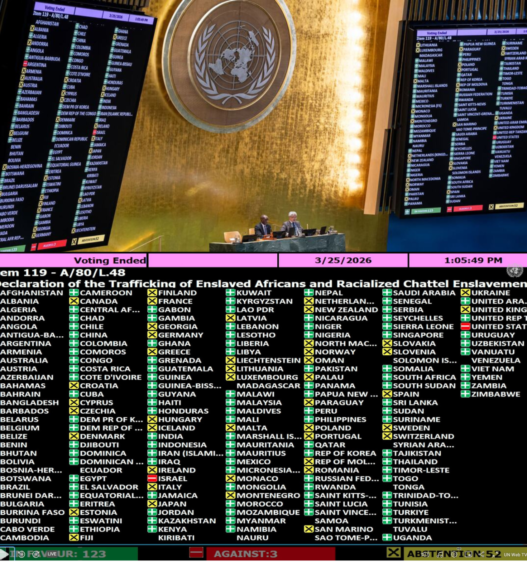
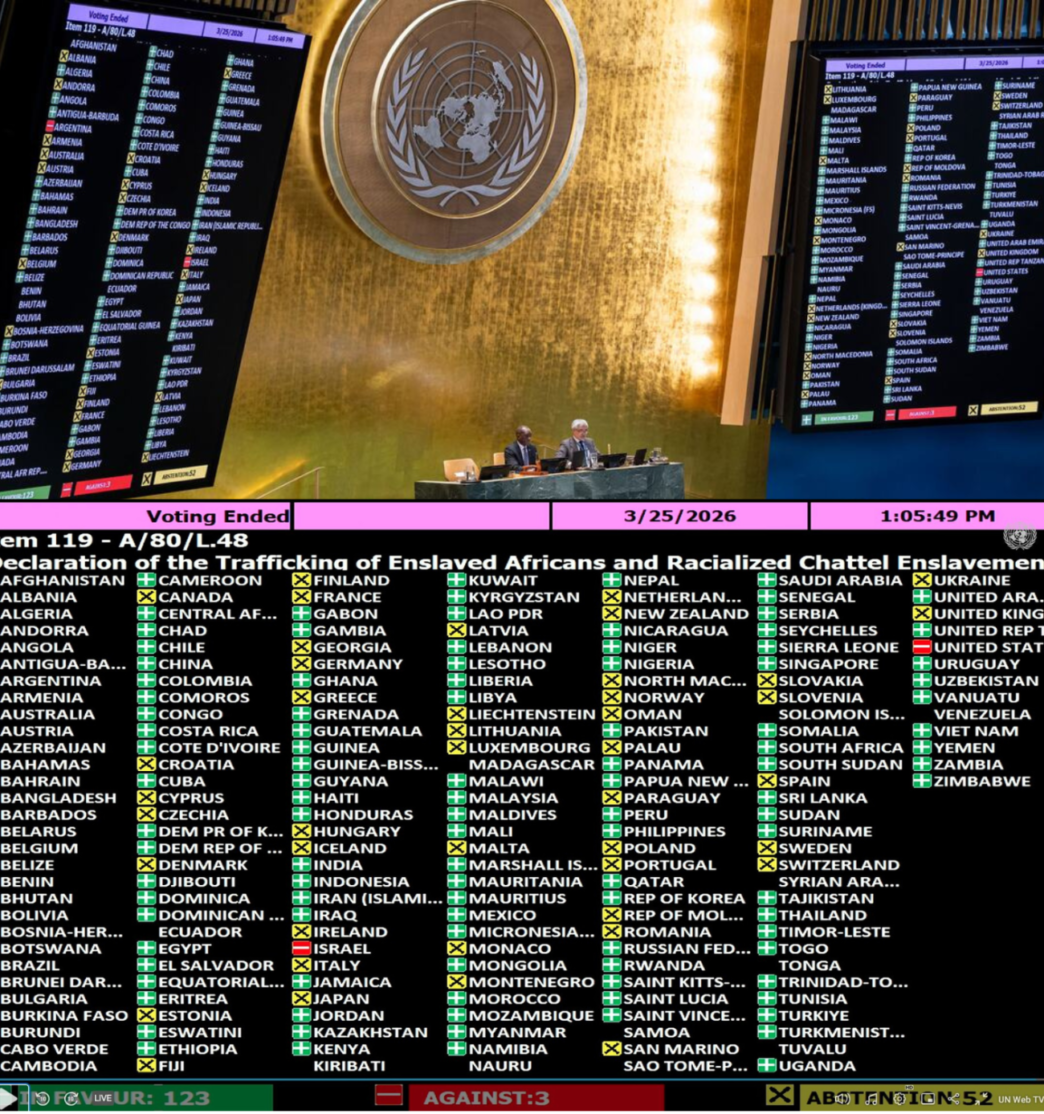
Ghana’s success: On 25 March, 123 states backed Ghana’s nonbinding UN resolution declaring the transatlantic trafficking and enslavement of Africans “the gravest crime against humanity”. It calls for apologies, restitution and compensation
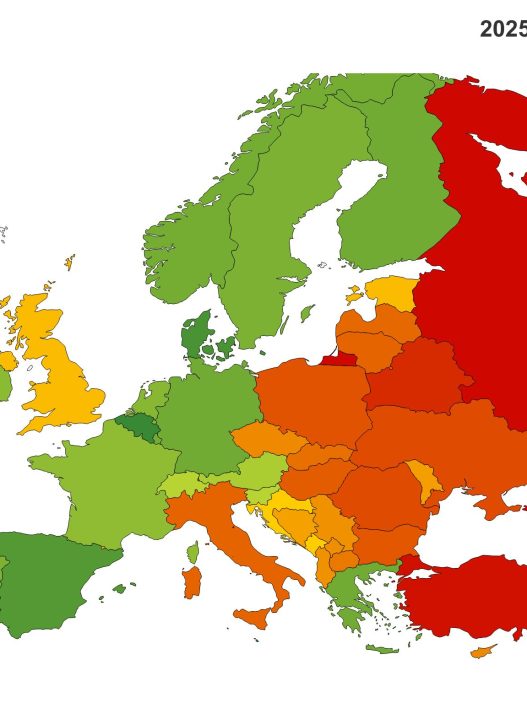
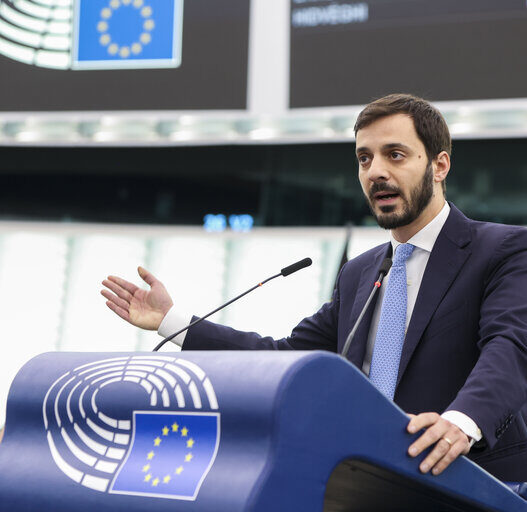
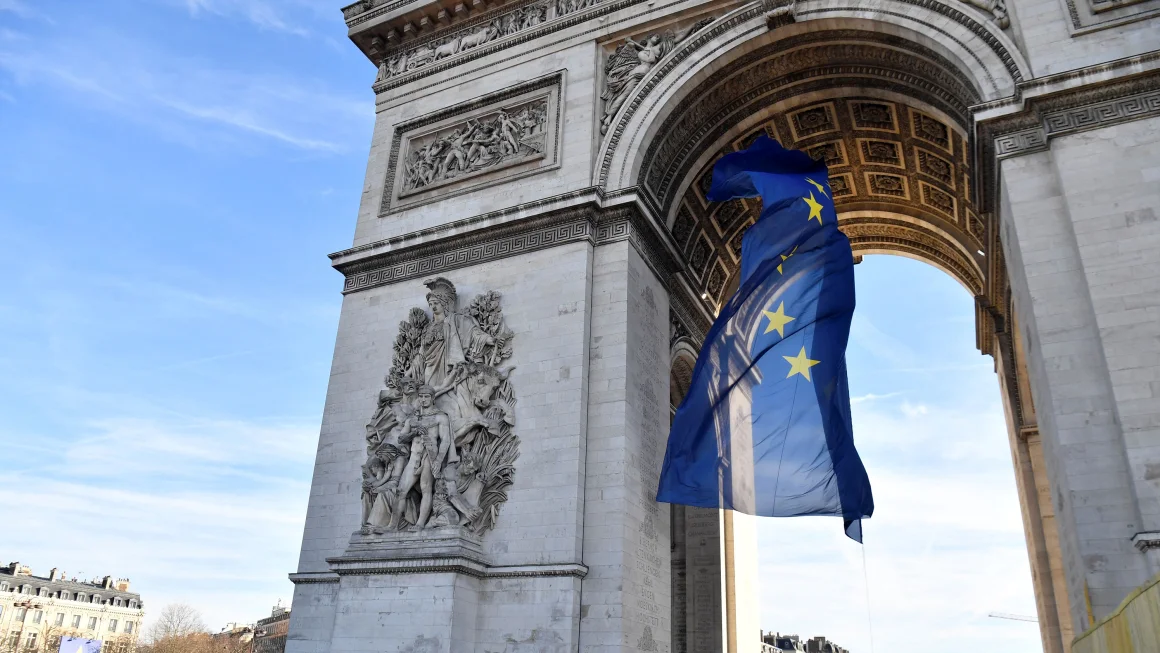
European resistance: EU members and Britain abstained. The EU condemned slavery but opposed ranking atrocities and applying international law retrospectively, including to reparations claims
British opening: During Charles III’s Caribbean visit, Prime Minister Andy Burnham expressed openness to discussing a formal apology. He ruled out financial reparations; a royal apology has not been announced.
Scope and partnerships: Defining responsible institutions, eligible beneficiaries and remedies remains contested. Dialogue could build trust between Europe and African and Caribbean partners through restitution, education and debt cooperation, although closer political alignment is not guaranteed
Transparency Note: Prepared with AI assistance.