








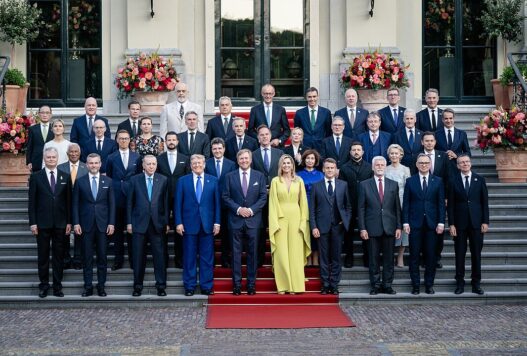
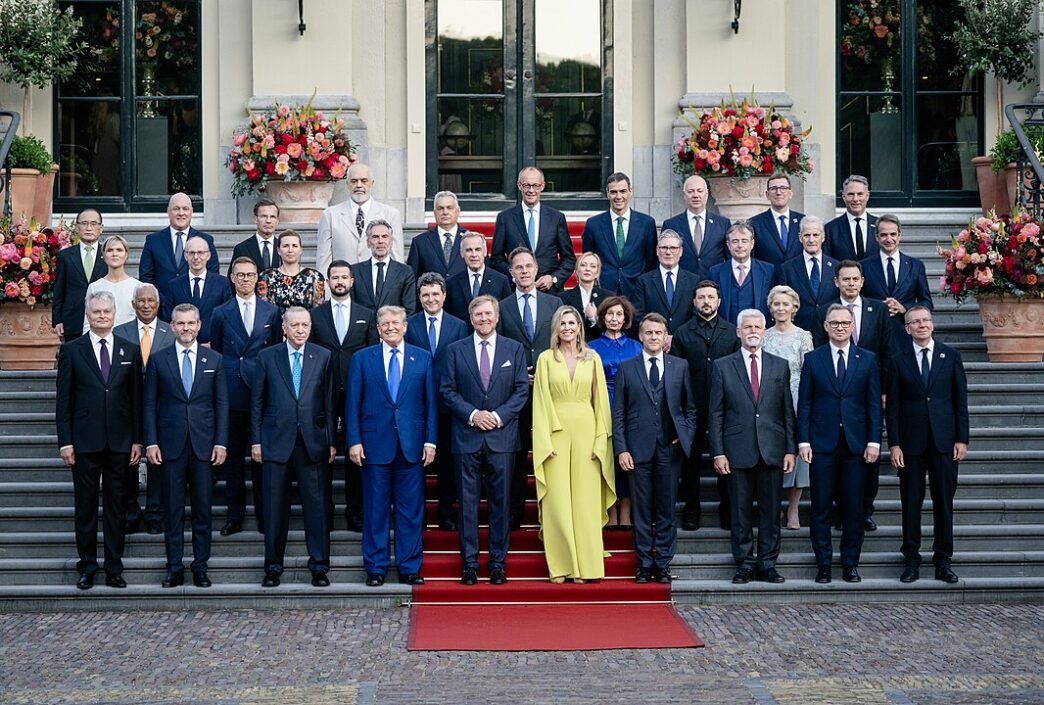
When NATO leaders gathered at The Hague on the 24th and 25th of June 2025, they presented a strong show of unity—pledging to raise defense spending to 5 % of GDP by 2035 and reaffirming Article 5 of the Washington Treaty on collective defense. Underneath the summit’s polished declaration, however, lies a messier reality: Europe’s own divisions jeopardize the alliance’s long-term credibility and strategic practicality.
A Numbers Deal, Not a Plan
The newsworthy milestone—32 NATO members pledging to allocate 5 % of GDP spending by 2035—is a pivotal moment. The commitment is split between 3.5 % for “hard” military dimensions and 1.5 % for cybersecurity, protecting infrastructure, and defense research. European leaders hailed it as a “quantum leap” towards burden-sharing.
Placed in hard numbers, however, this aspiration risks remaining solely driven by ambition. Spain explicitly expressed doubt as to whether it could fulfill in full, saying that it could attain NATO’s critical standards while spending less than the 5% target. Similar concerns were noted from other nations, including Belgium and Slovakia. Without national capitals setting credible trajectories, annual plans, and budget line-ups, the promise risks being hollow. 
Fault Lines: Strategic Autonomy and Russia-Friendly Actors
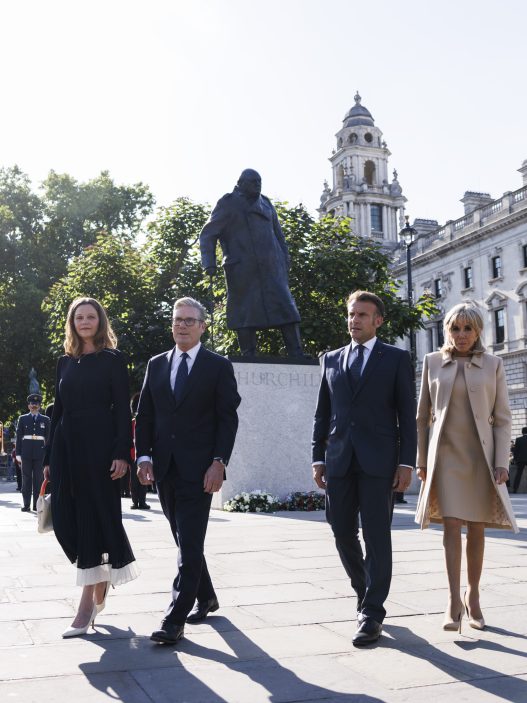
French President Emmanuel Macron called the summit a strengthening of Europe’s but quickly reiterated his longtime desire for European strategic autonomy—a stance that often leaves Paris in opposition to NATO’s U.S. dominance. France believes in a Europe able to hold its own—particularly in scenarios where American commitment could wane.
Germany, whose politics has traditionally favored consensus, has long been risk-averse and has preferred NATO architecture to unilateral moves. While defense outlays have now been increased, Berlin is apprehensive of aligning too closely or vocally with France, for fear of fracturing the transatlantic alliance.
Hungary’s pro-Russian prime minister Viktor Orbán was largely restrained at the summit. Yet his domestic orientation remains a wild card. If Budapest continues to defy EU sanctions or fosters even greater pro-Kremlin posturing, it will undermine NATO’s united front—especially if it undermines collective support for Ukraine.
The Ukraine Test
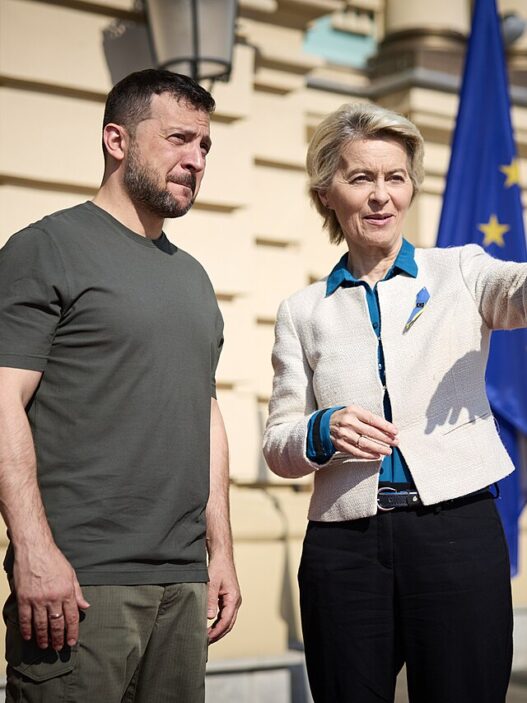
The Hague declaration reiterated firm support for Ukraine—pledging over €35 billion and expressing its aspiration to join NATO. However, in the absence of agreement on the strategic role of Europe, this aid may be at risk.
Countries in Eastern Europe—particularly Poland, Romania, and the Baltic states—view Russia’s threats as an existential risk. Western allies, with competing agendas and economic pressures, may act slowly. Germany’s reluctance to authorize heavy fighter deployment or to rapidly build up troops testifies to lingering restraint.
This imbalance in threat perception undermines Ukraine’s security. While military aid without shared long-term commitment undermines confidence, playing into Moscow’s efforts at strategic fatigue and fragmentation.
Summit Declarations to EU Defence Machinery
Bans and threats aside, intention must be turned into capability and this will require significant investment—not just in national armed forces, but in the European Defense Technological and Industrial Base (EDTIB).
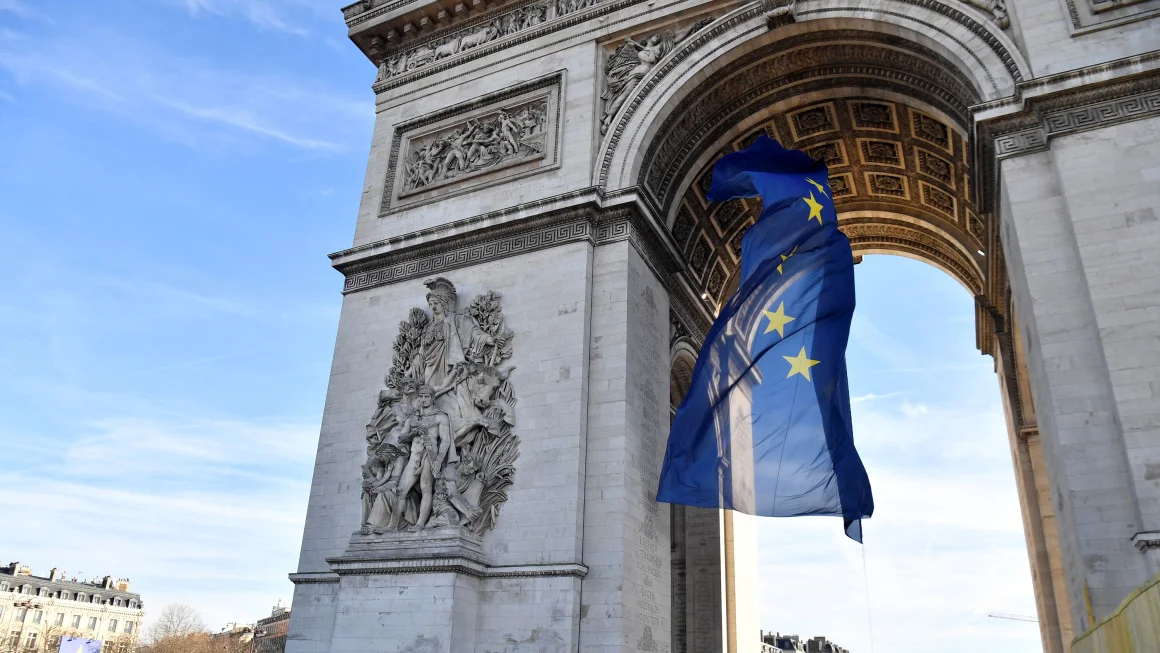
France and Germany have made early steps—reorganizing local defense industries such as KNDS—but operationalization in full is not yet achieved. The European Commission’s recent white paper on defense and the “ReArm Europe” plan support harmonization of NATO needs with EU policy. However, concrete integration on procurement, interoperability, and industrial cooperation is well behind political language.
A Strategy for the Next Decade
If experience is any guide, especially during election cycles marked by short-term budget priorities and volatile political shifts, the 5% pledge risks dissolving into ambiguity. To ensure that this does not occur, European leaders must commit themselves to turning ambitious commitments into actionable metrics on several fronts. First, the pledge must be translated into binding national military planning—that is, putting defense spending targets in national budgets and aligning procurement, recruitment, and capability development with NATO’s long-term targets and the EU’s defense tools. This will render the pledge not a symbolic threshold, but a driving force behind interoperability and operational readiness. Second, Europe must operationalize a genuine European pillar within NATO. This goes beyond strategic autonomy talk: it means creating concrete assets such as deployable expeditionary forces, a standing joint naval command, combined cyber defense units, and the expansion of a competitive and collaborative European defense industry. By investing in capabilities that are shared instead of duplicated, Europe can strengthen its position without undermining NATO cohesion. Furthermore, Ukraine’s security can act as a measure of the NATO alliance. Continued and collective military, financial, and logistical support to Kyiv demonstrates that Europe can achieve strategic continuity under pressure. If Europe cannot remain united on Ukraine, it signals not only weakness to Russia, but also solidifies the cracks in the transatlantic alliance, possibly threatening the credibility of NATO and the EU’s desire to become a serious security player.
Unity Needs to Be Clear and Sustained
The Hague summit was no optical illusion; it was a rare show of political consensus. But unity without substance is short lived. If national interests, domestic politics, and strategic objectives vary, Europe risks drifting into a global security era marked by uncertainty.
A strong European pillar within NATO takes more than photo opportunities and signatures. It takes tough, often unpopular decisions: higher defense expenditures, industrial cooperation, strategic resolve towards Russia—and most of all, solidarity, even when it stretches budgets and electoral convenience.
Europe stands at a crossroads: it can step up—or demean its own defense both within NATO and to Ukraine. A 5 % commitment is convincing, but only if it is followed by 5 % endeavours.