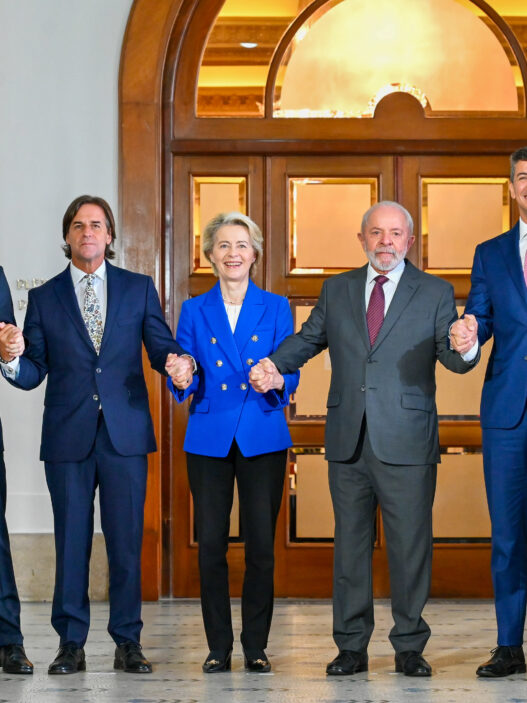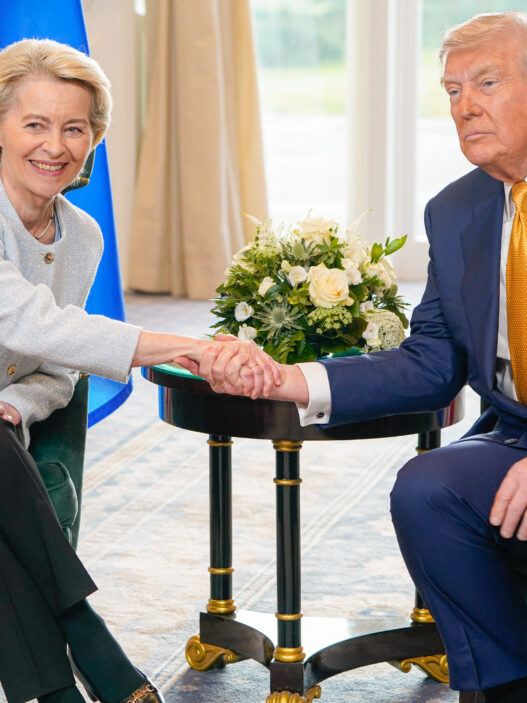



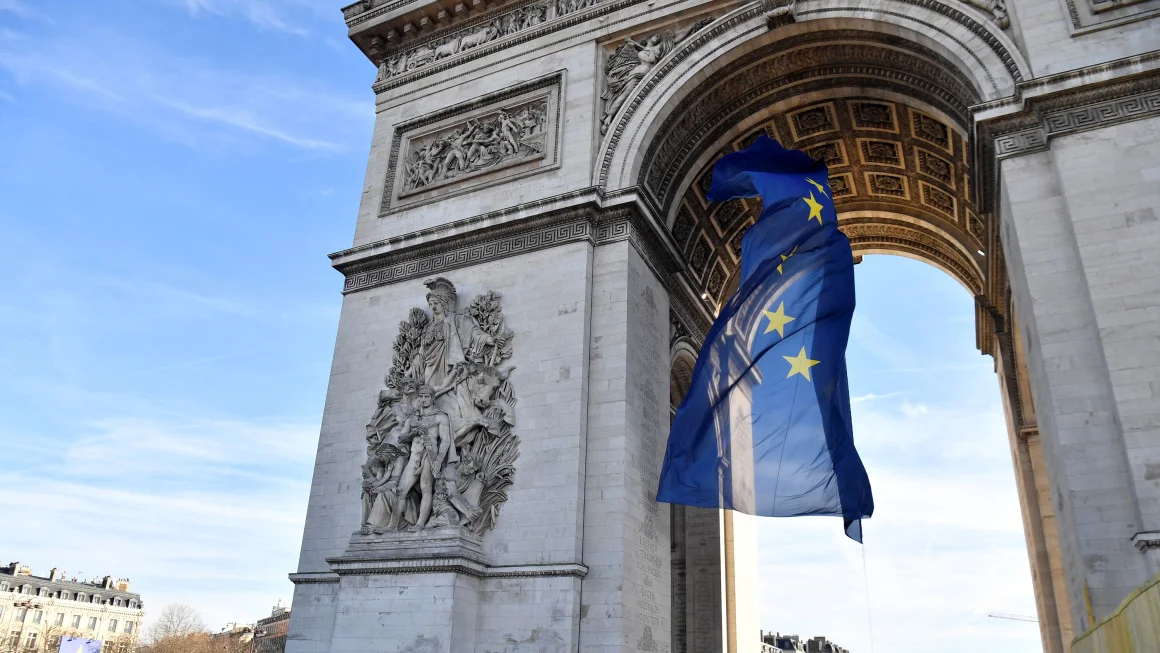




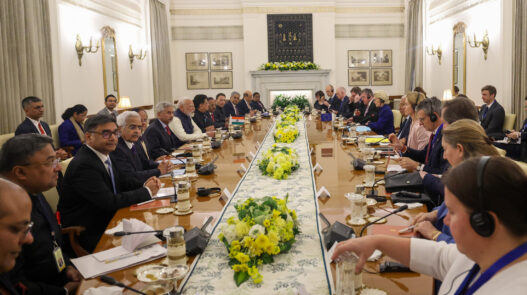
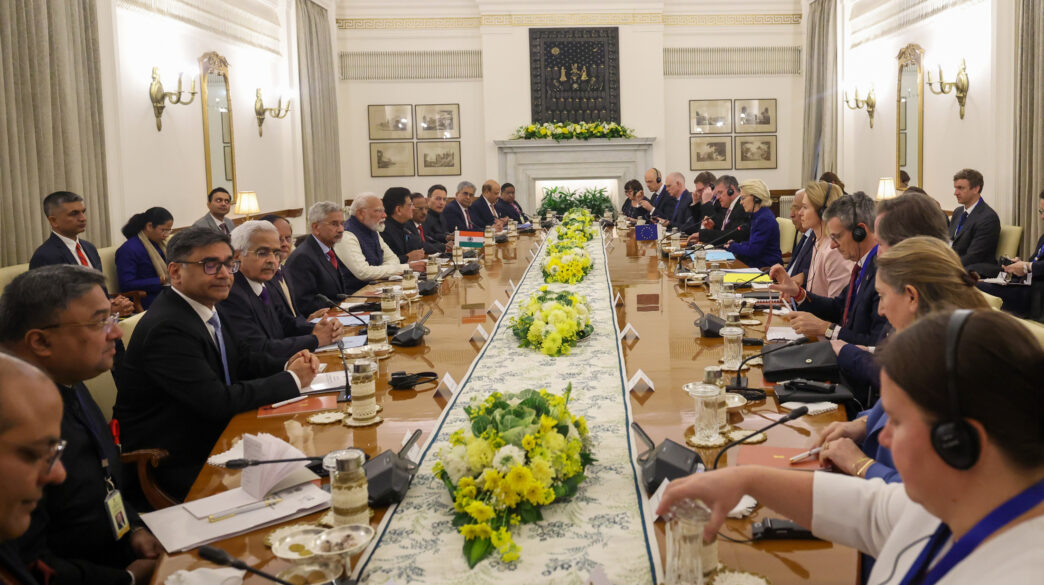
India and the European Union (EU) have finalized a landmark Free Trade Agreement (FTA), trailing nearly two decades of on-and-off negotiations, with the conclusion announced on 27 January 2026 at a summit in New Delhi. The deal, described by both Indian Prime Minister Narendra Modi and EU Commission President Ursula von der Leyen as the “mother of all deals,” aims to liberalize trade in goods and services between two massive markets — together representing around 2 billion people and roughly a quarter of global GDP. Ratification processes in EU member states, the European Parliament, and India are expected to take several months, with implementation targeted for early 2027.
Under the agreement, tariffs on the vast majority of traded goods will be eliminated or significantly reduced. EU exporters will save an estimated €4 billion annually in duties, benefiting sectors such as the automotive, machinery, chemicals, pharmaceuticals, wine and spirits, and food industries. India has agreed to reduce tariffs on a wide range of European imports, including industrial goods and vehicles, while maintaining protections for certain sensitive domestic sectors, such as dairy and agriculture. Tariffs on Indian exports — such as textiles, leather, gems, jewelry, and marine products — to the EU will also be phased down, extending preferential access to up to 93–99% of Indian exports over time.
Beyond tariff cuts, the deal includes enhanced market access for services — particularly financial, maritime, and professional services — as well as commitments on digital trade, intellectual property protection, and dispute resolution frameworks. Both sides have indicated cooperation in areas like sustainability and regulatory standards, though carbon border adjustments and other non-tariff measures remain politically sensitive.
Strategically, the FTA reflects a mutual interest in diversifying economic ties amid rising global trade tensions, especially with the United States and China. India has faced steep U.S. tariffs — reportedly as high as 50% — which have disrupted its export planning and spurred a push for alternative partners. The EU, for its part, is seeking to reduce dependence on single markets and reinforce open, rules-based trade in the face of growing protectionism worldwide.
However, the agreement is not a remedy. Sensitive sectors remain excluded or subject to quotas, and both sides will need to manage domestic political pressures from industries wary of competition. Implementation will likely trigger debates within capitals about labour, environmental standards, and the balance between liberalization and protection of strategic industries.
Commentary and opinion by the author:
This deal stands as a significant move — but it is also a symptom of a fracturing global commercial order rather than a panacea. India and the EU are not just signing trade papers; they are signalling that dependence on the U.S. and China as economic anchors is passé. Especially for Europe, which has been rattled by erratic U.S. tariff policies and diplomatic theatrics, this FTA is both an economic opportunity and a geopolitical statement: “We can shape our own trade architecture.” That serves as a reaction to Washington’s protectionism that is way overdue.
However, a key issue remains: while this deal is broadcasted as the “mother of all deals,” the mechanics of the pact still look very cautious — quotas on cars, reserved protections for food and dairy, prolonged phase-ins. India is not suddenly ripping open its markets; it’s doing a managed opening that protects political constituencies at home. The EU is equally hesitant to expose its farmers and certain manufacturers. In practice, we are probably looking at decades of deepening integration — not an instant free-for-all. The real test will be whether this deal translates into real supply-chain integration and whether both sides can resist political backsliding when domestic industries start to grumble.
Geopolitically, the broader message is clear: the old transatlantic-centric model of global trade is not enough anymore. Europe and India are carving out a third axis, and that is a significant move. But diverging economic priorities, domestic sensitivities, and unresolved regulatory frictions mean this is the beginning of a long story — not the finale.
Sources: European Commission, Ministry of Commerce and Industry, Government of India, Reuters, Euronews, Politico, EU Observer, BBC, CNN