










Earlier this month, President Trump shocked the world by declaring that the United States would take Greenland “one way or another.” Citing the rising threat posed by China and Russia, and their potential interest in the Arctic island, Trump argued that control of Greenland was vital to U.S. national security. After no agreement was reached regarding a possible sale, he made clear that the use of force to seize the island remained on the table. Despite this aggressive rhetoric, Trump soon pivoted to threatening tariffs on European allies as an alternative means of pressure. Both actions by the current U.S. administration would have been unimaginable just a few years ago, yet Europe now finds itself facing threats of this nature from a supposed ally.
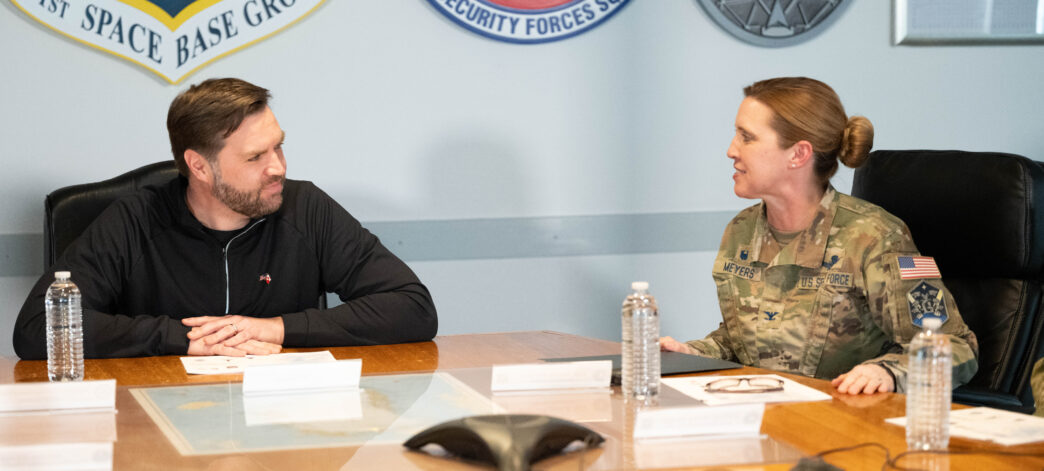
The United States and Greenland have a long history of military cooperation in support of shared security interests. During the Second World War, when Denmark was occupied by Germany, the United States signed an agreement with Denmark’s ambassador to protect Greenland, then a Danish colony. After the war, Greenland remained strategically important during the Cold War, and in 1951, a treaty granted the United States the right to expand its military presence far beyond wartime levels. This led to the establishment of Thule Air Base, which at its height housed more than 10,000 U.S. troops. The NATO Status of Forces Agreement has applied to the island since 1955, and the 1951 treaty was revised in 2004 to recognise the authority of Greenland’s Home Rule government. In 2023, Thule Air Base was renamed Pituffik Space Base to reflect its role in the U.S. Space Force and to acknowledge Greenland’s cultural heritage.
What, then, was the outcome of Trump’s bluster? Last week, NATO announced that the alliance would begin to strengthen security in the Arctic region. On January 23, NATO Secretary General Mark Rutte and Danish Prime Minister Mette Frederiksen agreed that the alliance should enhance security in the region after Trump walked back his threats to seize Greenland. Officials familiar with Trump and Rutte’s talks stated that negotiations between Denmark and the US would seek to focus on revising the 1951 agreement governing U.S. deployments on the island.
Commentary by Author
This raises the question of why such extreme threats were necessary, given the long-standing history of U.S.–Greenlandic military cooperation and the high likelihood that the same outcome could have been achieved through diplomacy. If the threat of Russian or Chinese encroachment were genuine, Denmark and Greenland would almost certainly have been willing partners in strengthening Arctic defense. While the immediate result of this episode may have mirrored what a more measured approach would have delivered, the lasting damage caused by threatening European allies with tariffs and military action is likely to shape transatlantic relations for years to come.
Source links: