








EU and Africa Strengthen Strategic Partnership Across Trade, Energy, and Governance
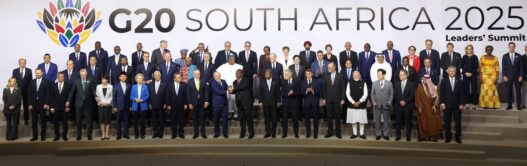
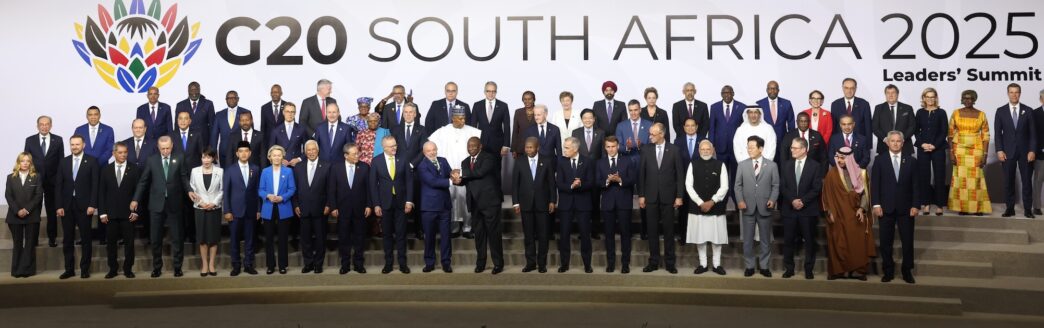
At the G20 Summit in Johannesburg and, more specifically, at the 7th EU–Africa Summit in Luanda, EU and African leaders vowed to deepen their partnership, defend multilateralism, and push for reforms to make global institutions more inclusive. They highlighted progress on the EU’s €150 billion Global Gateway strategy, including major infrastructure projects such as the Lobito Corridor. Leaders also called for faster implementation of the African Continental Free Trade Area and for reforms to ease Africa’s debt burden. Both sides reaffirmed their cooperation on green energy, aiming to provide 100 million Africans with clean power by 2030, and agreed to strengthen efforts to combat irregular migration while expanding legal mobility pathways. Why Africa is becoming increasingly important for Europe in geopolitics
Why Africa is becoming increasingly important for Europe in geopolitics
1. Strategic resources and economic sovereignty
Africa holds key raw materials Europe needs for the green and digital transitions, such as rare earths, cobalt, lithium, and copper. As global competition with the USA, China, India and Russia intensifies, securing diversified access to these resources becomes a strategic priority for Europe.
2. Energy and climate cooperation
Africa has vast potential for renewable energy and green hydrogen, especially in North and Southern Africa. For the EU, partnerships with African countries are essential for meeting climate targets, ensuring energy security, and supporting industrial competitiveness.
3. Migration, demographics, and labour markets
Africa’s population is rapidly growing, while Europe’s is ageing and shrinking. This creates both migration pressures and opportunities: Europe faces labour shortages, and Africa has a young workforce. Managing irregular migration and expanding legal mobility channels are becoming central geopolitical issues.
4. Security and geopolitical competition
Africa has become a significant arena of influence for global powers such as China, Russia, Turkey, the Gulf states, India, and the United States. Instability in regions like the Sahel, terrorism, and maritime security risks have direct consequences for Europe. Stabilisation and security cooperation are therefore crucial.
5. Trade, infrastructure, and emerging markets
Africa hosts some of the world’s fastest-growing economies, and the African Continental Free Trade Area (AfCFTA) will be the largest free-trade area by number of countries. Europe sees Africa as a key economic partner, with major initiatives like the €150bn Global Gateway competing with China’s Belt and Road.
Interested? Read more on Euronews, Reuters and African Business.