






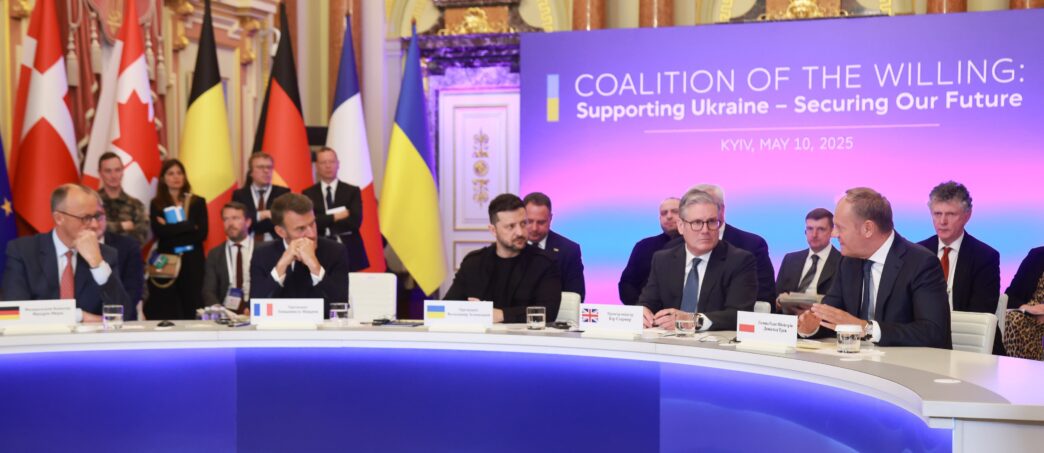
Historical Grievances and Strategic Realities Shape Poland–Germany Dialogue
Tensions between Poland and Germany continue to be shaped by unresolved disputes over World War II reparations. Some Polish national actors argue that Germany has never adequately compensated them for the immense human and material destruction caused during the Nazi occupation. Although Germany maintains that the matter was settled decades ago, citing a Polish renunciation of reparations in the 1950s, Polish national actors contend that the decision was made under Soviet coercion and therefore lacks legitimacy. The nationalist Law and Justice Party (PiS) and some other officials argue that the 1953 renunciation, issued under Soviet domination, is invalid. In contrast, earlier Polish governments (and Germany) have treated it as a binding legal act.
In 2022, the then-ruling PiS government published a report estimating Poland’s wartime losses at about €1.5 trillion and formally submitted a reparations demand to Berlin. Prime Minister Donald Tusk’s current government has distanced itself from that claim, focusing instead on support for surviving victims.
Prime Minister Tusk has stated: “We in Poland all believe that Poland has not received compensation for the losses and crimes of World War II”.
Germany has floated the idea of financial support for surviving victims, including under former Chancellor Olaf Scholz, but Poland views the pace and scope of these efforts as insufficient. In July 2024, Scholz promised a programme of assistance for surviving Polish victims of Nazi rule, though details remained vague. Tusk has therefore urged Berlin to “hurry up,” noting that many of the remaining victims are elderly and their numbers are rapidly declining.
These disagreements are more than legal debates; they are deeply tied to historical memory and national identity. For many Poles, the scale of wartime suffering remains a living trauma, and the sense of having been denied justice continues to fuel frustration and mistrust. Germany, however, fears that reopening the issue could invite a wave of new claims and destabilise long-standing European agreements.
The dispute also has political dimensions. PiS has long used the reparations issue to challenge Germany’s moral authority and to attack Tusk as allegedly too close to Berlin. At the same time, the controversy complicates cooperation at a moment when Europe faces major external threats, particularly Russia’s aggression and the ongoing war in Ukraine. Persistent historical tensions risk undermining unity among key EU and NATO allies.
Chancellor Friedrich Merz has emphasised the need for constructive engagement: “I hope that we can do this in a way that does not divide us, but brings us closer together.”
Ultimately, the debate reflects two different narratives about history and justice in Europe. Without some form of deeper reconciliation, whether symbolic gestures, renewed acknowledgement of Polish suffering, or new forms of bilateral dialogue, the reparations issue will likely continue to cast a shadow over Polish-German relations and the broader cohesion of Europe.
Merz has also underlined the strategic importance of the relationship, stating that “Germany and Poland are indispensable partners” and that “we Germans need a strong Poland as an equal partner”, highlighting the necessity of joint support for Ukraine and the defence of Europe.
Tusk likewise stressed the importance of cooperation: “We have radicals on both sides of the border who are interested in stirring up anti-German sentiment in Poland and anti-Polish sentiment in Germany. But I am convinced that they will not be able to achieve their goals.”
Read more on Politico EU, The Guardian and Notes from Poland.