










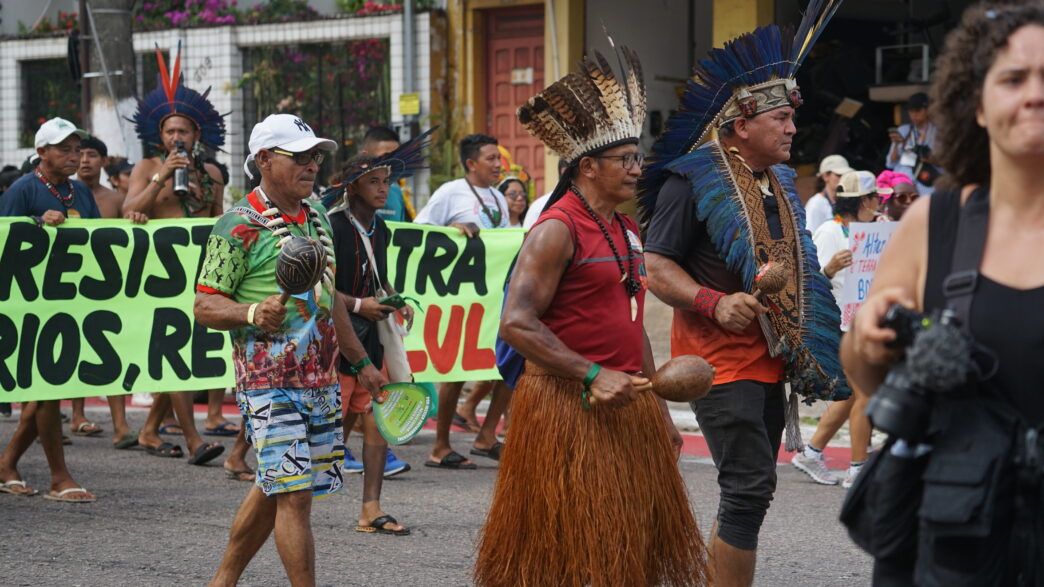
EU Left Isolated as COP30 Fails to Deliver Fossil Fuel Phase-Out Plan
The COP30 climate summit in Belém, Brazil, ended without a binding roadmap to phase out fossil fuels in the official COP decision, prompting the presidency to launch separate voluntary roadmaps outside the UN process. The results of the COP 30 drew widespread criticism as an “empty deal” and a “moral failure.” The EU threatened to reject the final text but ultimately backed it while acknowledging its lack of ambition. With the U.S. absent from climate talks and major fossil-fuel producers like Saudi Arabia and the UAE opposing any phase-out commitments, the EU found itself increasingly isolated. EU officials said geopolitical fragmentation and resistance from BRICS countries hindered progress, despite support from more than 80 nations for a fossil-fuel transition plan. Scientists and environmental groups warned the outcome ignores climate science and legal obligations, leaving the world off track to limit warming to 1.5°C.
Are COPS worthwhile, given that many government representatives have to fly to the location or states, whereas the USA, under the Trump administration 1, do not participate?
Even though COP30 failed to deliver a new global agreement to phase out fossil fuels or significantly strengthen carbon-reduction commitments, there are strong reasons to continue the climate conferences:
Without COP, climate targets would weaken, cooperation would become more difficult, transparency would decline, and pressure on major emitters would virtually disappear. COPs are not perfect, but they are the only universal UN negotiating forum on climate, and the world would be in a much worse position without them.
Interested? Read more on Euronews and The Guardian.
- No official U.S. federal delegation attended COP30 under President Trump. Sub-national U.S. actors (notably California’s governor Gavin Newsom and a coalition of states and cities) were present. ↩︎