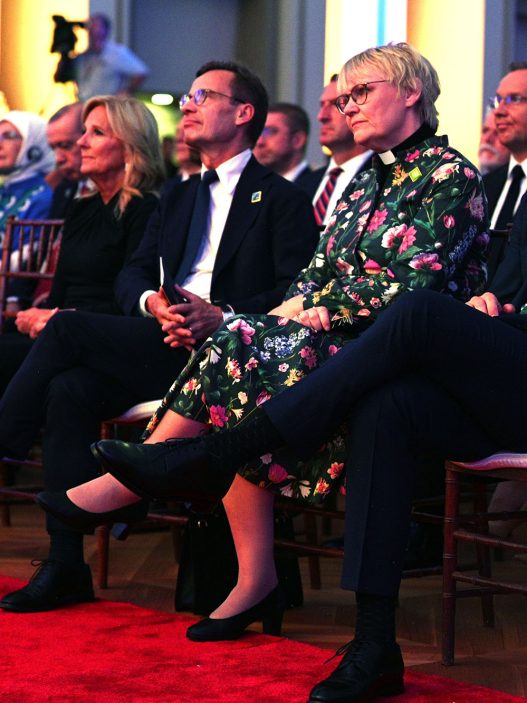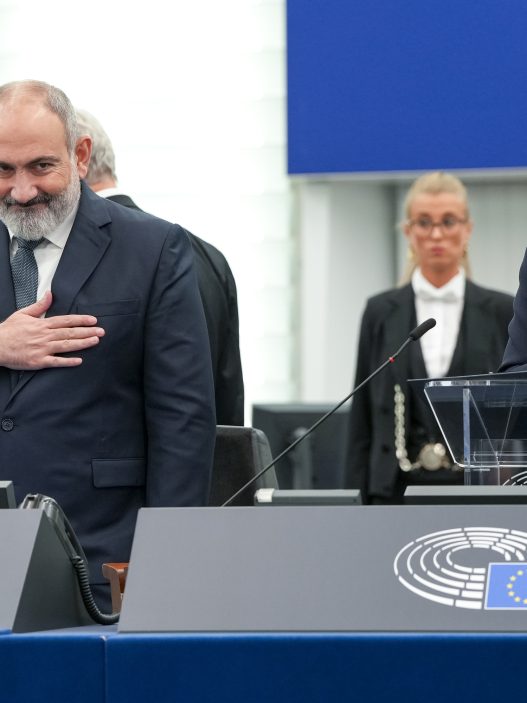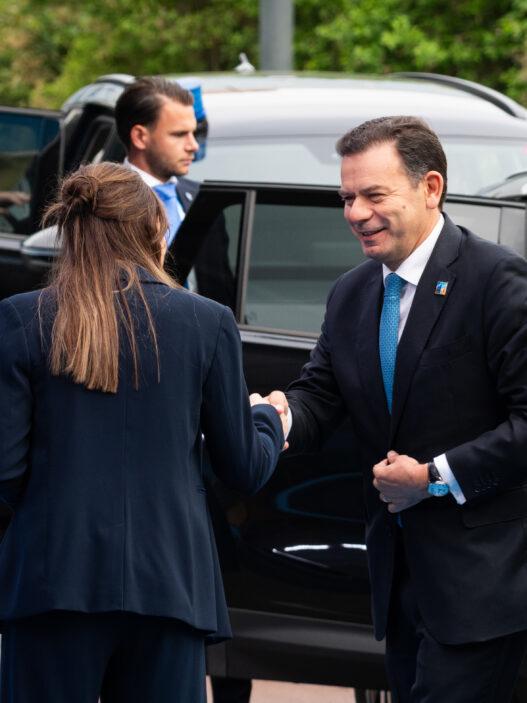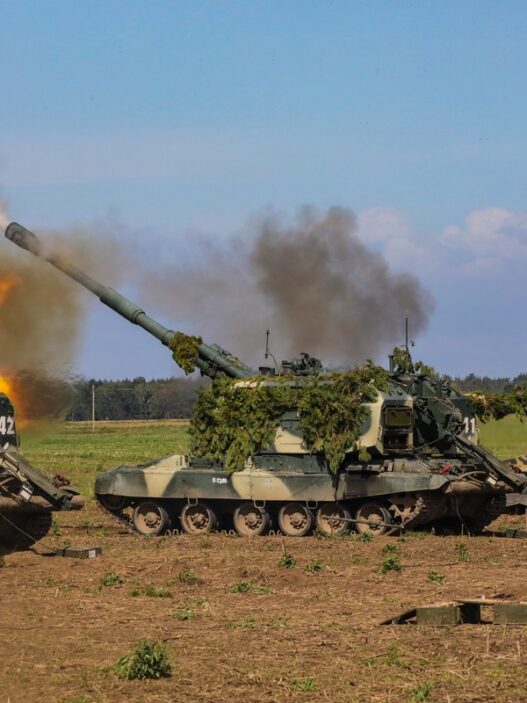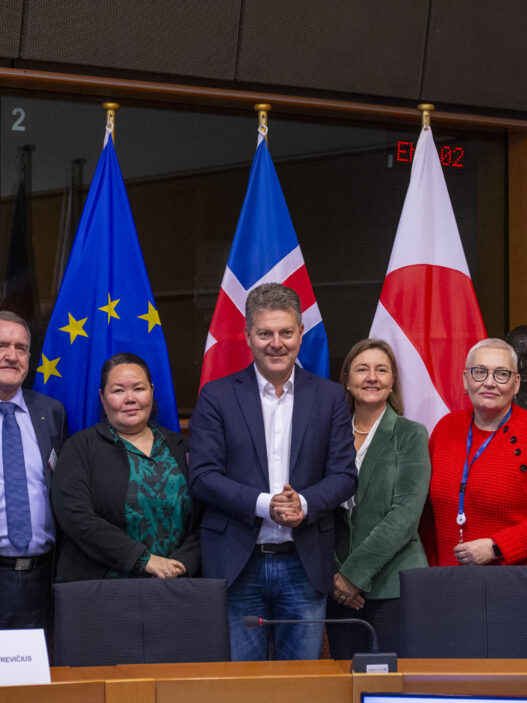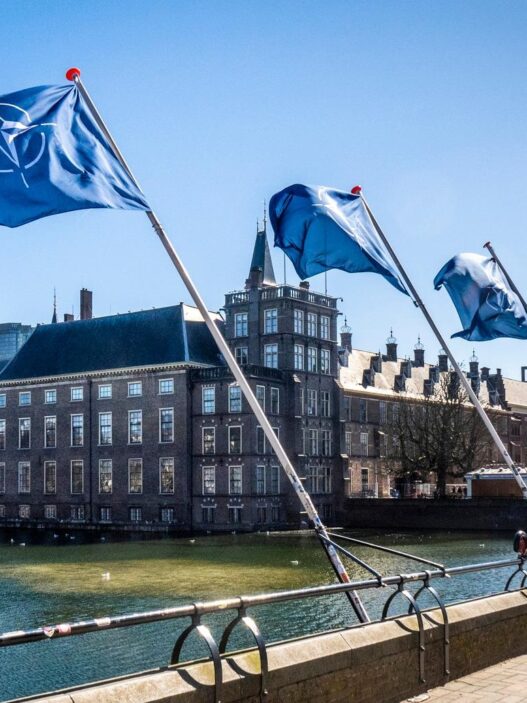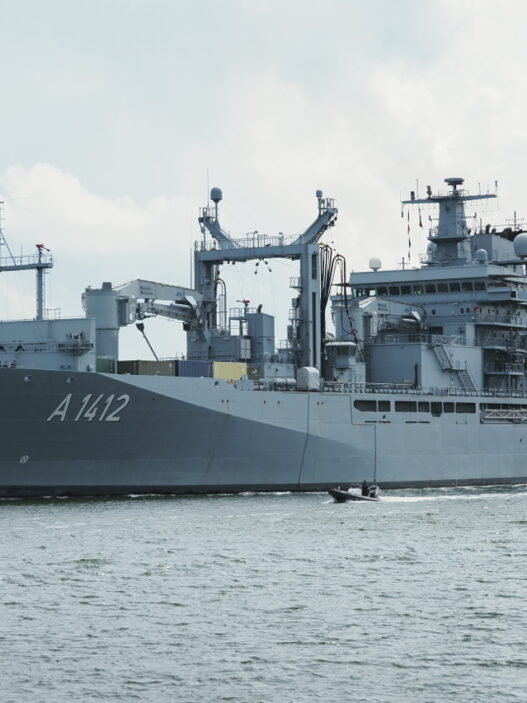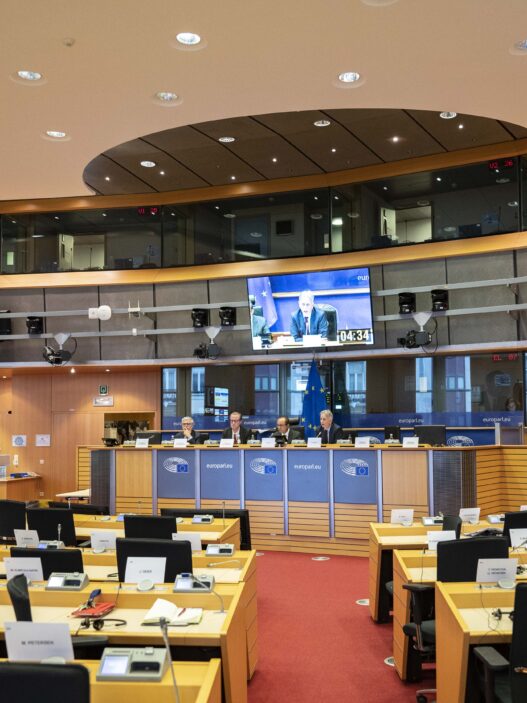



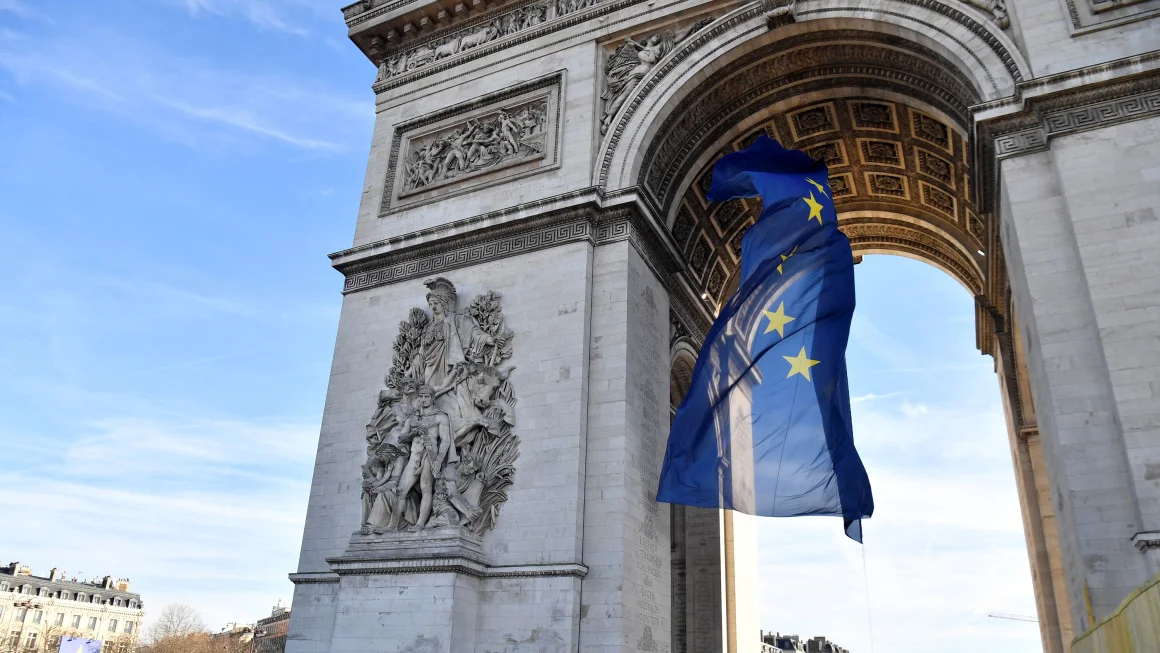




Marches, gun salutes, and minutes of silence were acted upon in Europe on the 8th May, marking 80 years since total war devastated the continent. These displays of remembrance for some may seem no different from 2015 or 2005. But, since Russia’s invasion of Ukraine, the spectacle of remembrance has a new verve of political significance, as Europe faces its greatest security challenge since the 1930s to highlight its connection to Europe’s new shift on security.
The Appeasement Policy in Europe
Firstly, one needs to state what Appeasement was and its memory. Appeasement was a strategy aimed at avoiding war with Nazi Germany by appeasing its demands and actions. Believing that by giving in to the “genuine” demands of Nazi Germany and Italy, they would saturate as powers, requiring no more territorial demands. This was highlighted in the Allies allowing the Italian invasion of Ethiopia (1935) and Germany ‘s Remilitarization of the Rhineland (1936).
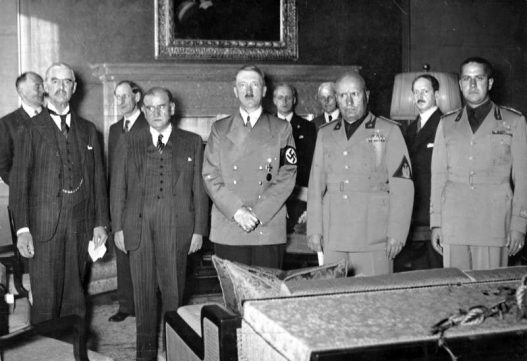
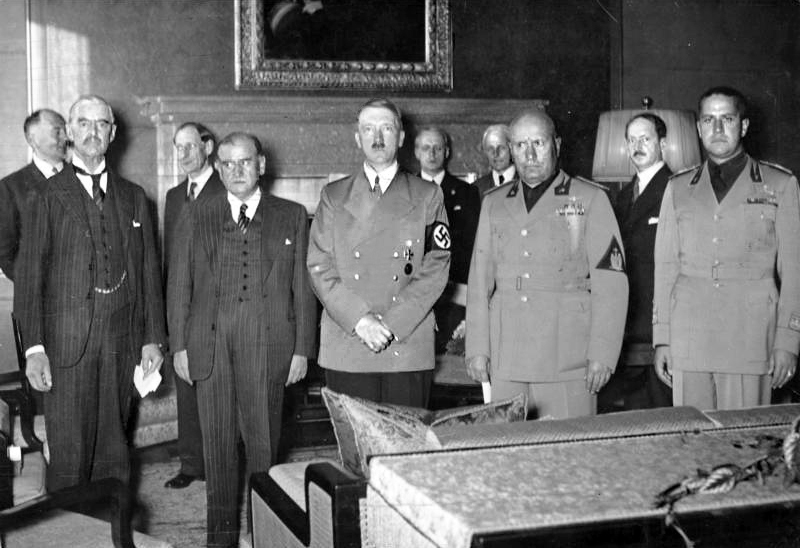
The most infamous moment of the policy would be when Chamberlin, Britain’s Prime Minister at the time. Would declare “peace in our time” after the Munich Agreement of 1938, when Britain and France allowed Nazi Germany to annex the border region of Czechoslovakia. Nazi Germany would subsequently annex the entire country; humiliating Chamberlain.
Historians still debate Chamberlain’s motives, either to buy time to bolster defense or to pursue a genuine peace initiative. Whatever such intentions were, this policy fueled the road to war in September 1939, casting a great shadow over Europe’s ability to act on its values. 
It is this shadow over Europe that makes the appeasement analogy so visceral and has been used on and off in other foreign policy crises. A key example to look back on was during the Yugoslav crisis. Where US envoy Richard Holbrooke described the European reaction to the crisis as “the greatest collective security failure of the West since the 1930s”. Pointing to the fact that, despite Europe being politically united, it failed to prevent the Republika Srpska’s onslaught on Bosnia and the Srebrenica genocide.
The case of Bosnia and Holbrooke’s subsequent comment provides a good context for post-war Europe’s memory and its soft defense policy. Highlighting the gap between Europe’s strong ceremonies for the Second World War and its ability to uphold the values it commemorates with a foreign policy that prevents the same actions of aggression from happening demonstrated in the cases of Crimea and Bosnia.
Despite Europe’s difficult past of bridging this gap, its foreign and defense policy is now coming to reflect a historical consensus and a commitment to act on its words of remembrance. This will be demonstrated through an analysis of three sections: Europe’s response to the build-up and invasion of Ukraine, its response to the Trump administration’s peace initiative, and its new rearmament policies.
Why pay for Ukraine?
In 1939, during the crisis over Poland, a French isolationist newspaper would state “Why die for Danzig”. Danzig (now Gdansk) being the part of Poland Hitler demanded. This question would be answered nine months later when France would capitulate. Beginning in winter 2021, when Russia began to mass its forces on Ukraine’s border and simultaneously attempted to renegotiate the European security architecture. Europe was faced with a similar question, but at lower stakes: why pay for Ukraine?
With Russian demands dictating Ukraine’s sovereignty and NATO activities. This build-up mirrored Hitler’s attempt to create his new sphere of influence while reorganizing European security on Russian terms. Hitler wanted to reorder the Versailles order, for Putin it was the post-Cold War order. This likeness of the situation to 1938 floated in the back of the minds of Western leaders.
The Ukrainian Foreign Minister Dmytro Kuleba wrote that the West must not “respond to Russia with appeasement”. Ben Wallace, the former UK Defense Secretary, would quote the run-up to the invasion as a “whiff of Munich”. Czech Foreign Policy Minister Jan Lipavský, in response to German hesitance to provide Ukraine with weapons, would state the resemblance of the situation in Ukraine to what Czechoslovakia faced in 1938. At the 2022 Munich Security Conference (MSC), Volodymyr Zelensky would ask, “what does appeasement achieve?”.
These comments present an interesting inflection point, where Europe was faced with an existential political debate. On one side stood to continue with the energy dependency on Russia, minor sanctions, and normalization of relations. This was highlighted with Europe’s weak response to the annexation of Crimea, German reluctance to offer weapons, and other neutral states such as Austria, which chose to ignore Russia’s previous aggression, hosting Putin 3 months after the annexation of Crimea. On the other side of the debate, a policy garnering historical consciousness that recognizes the threat Russia poses, through the transfer of weapons to Ukraine, enacting sanctions, and diplomatic isolation.
The key point here, in reflection to 1938, is recognizing the threat. Something Europe failed to do in the face of Nazi Germany and Mussolini’s Italy.. Just as the actions previously described highlighted how Europe, prior to 2022, did not recognize Russia’s existential threat to security.
However, through the dialogue presented in this section before the invasion of Ukraine, we can see how Europe did not give in to Russia and stood by Ukraine’s sovereignty. In contrast to the fate of Czechoslovakia. The most striking example was seen with German Chancellor Olaf Scholz’s Zeitenwende speech, where Germany voted to increase its defence spending, stating the need for “strength”.
In this point of Europe’s diplomacy, we can see a significant contrast between 1938 and 2022. Instead of declaring in the name of peace concessions and acceptances of a Ukraine under Russian influence, Europe maintained a values-based diplomacy by enacting sanctions and by supplying weapons; highlighting a foreign policy of historical reflection.
Trump’s Pax
A second section that highlights the evocation of this memory is the Trump administration’s peace initiative without Ukraine or Europe present. The memory of appeasement and sense of betrayal was seen with EU’s foreign policy chief, Kaja Kallas, asking at the MSC this year, “I cannot help but ask: have we been here before?” drawing the comparison to the Munich Conference. These attempts would also see Poland’s Foreign Minister ask President Andrzej Duda not to “be a Chamberlain of this war”. When asked about President Trump’s new peace initiative, Ben Wallace again stated that MSC 2025 would mirror the Munich agreement of 1938.
Here we see a similar utilization of the memory arguing against the Trump Administration’s attempt for a peace without values, with the intention of closed-door negotiations. Eerily similar to how Allied and Axis powers closed the door on Czeckoslovakia in the name of peace.
This example of the Trump administration highlights the resolve of Europe with consciousness of the past. Despite being one of Europe’s largest trading partners and the most powerful supporter of Ukraine, Europe maintained its commitment to Ukraine and did not bow to US pressure.
Although to some, Europe may be going back on its pledge of indefinite support to Ukraine by de facto supporting a US settlement that looks like the foundations of a frozen conflict. With the US as the largest single supplier of military aid to Ukraine, there is little for Europe to do but to compromise with Trump’s aim of peace. However, this instance by Europe and diplomatic efforts appears to be paying off with Trump’s new switch on Ukraine with a delivery of patriot missiles and an ultimatum to Russia.
“Pre-war world”
With European armies being degraded since the end of the Cold War much like how the armies in the 1930s were degraded after the First World War. Statesmen are displaying awareness of this similarity with much of the language signposting this period as a means to justify this new rearmament.
One phrase of interesting significance has been repeated since Europe’s latest push for renewed defence spending: “We are in a pre-war world”. The phrase has been stated by German, Polish, but mostly British officials. Stated by both Labour and Tory politicians, and most explicitly shown with the Tory campaign pledge of a new national service.
Such language is an attempt to have an emotional reaction to trace memories back to the 1930s; to think of how the leaders and societies at the time did not see the coming storm. For Britain, the phrase demonstrates how its new strategy and policy of defence has historical consciousness to it.
Appeasement remains a humiliating moment for Britain as it almost brought the country to the edge of defeat. This failed calculus has been etched into the political psyche of almost every UK politician. A key element that highlights the recent British lead on the continent’s security.
Such language by the British and the rest of Europe highlights that lessons are being learnt, unlike in the 1930s. Europe is learning its lesson by spending according to the threat, in contrast to earlier statesmen who were more concerned about balancing the budget. This demonstrates Europeans acting on remembrance, even if it might be electorally harmful. Demonstrating the understanding of the severity of the situation by thinking historically and acting politically. This was significantly demonstrated by NATO’s new pledge of 5%.
The language “pre-war” provides a historical contrast from the naivety of Allied statesmen not seeing the coming crisis to European leaders presently facing the Russian challenge. Attempting to convey a simple message: we weren’t ready before, this time we will be.
Language and action on defence by Europe highlights high-level awareness of our statesmen. That they are seeking to ensure it is politically progressive by looking back at the 1930s, acknowledging the parallel, and putting it into policy.
Conclusion
Behind Europe’s actions of remembrance are stronger political motivations that are driving support for Ukraine and its bolstering of defence. Although displaying moments of amnesia from Bosnia to Crimea, Europe is rejecting the humiliation Chamberlain faced.
It is committed to a peace deal in Ukraine through values-based diplomacy to reject any attempts by Russia to gain a sphere of influence over Ukraine. It has challenged the Trump administration’s peace attempts and won a seat back at the table.
Finally, Europe has begun to put money where their mouths are by all but Spain committing to a 5% target and increasing defence spending. Europe is remembering. It recognizes that the actions and calculation of Putin present the road to continental war if not checked. Overall, rejecting that history be repeated.