







The Baltic States have traditionally relied on the United States to guarantee their security. NATO’s collective security system opened up a pathway for Estonia, Latvia, and Lithuania to escape from their historical experience of Russian invasion and occupation. But the shifting contours of the geopolitical landscape since Russia’s full-scale invasion of Ukraine in 2022 have forced the region to seek support from elsewhere.
Under the second Trump administration, the US has begun to significantly scale down its presence in European security. The Pentagon is planning to cut US funding for programs that train and equip militaries in Eastern European countries that fall on the frontline of a potential conflict with Russia, according to the Financial Times. The continuation of the Baltic Security Initiative, a program designed to strengthen the Baltic’s defences in the land, sea, air, and cyber domains, is also in doubt. This would halt crucial US economic support for the Estonian, Latvian and Lithuanian armed forces.
The uncertain future of US investment in Europe’s defence comes at a critical moment for the continent’s long-term security. The war in Ukraine is not an isolated event. Rather, it is part of a wider effort by Russia to reclaim the great-power status that it had lost in 1991 when the Soviet Union fell apart. Russian President Vladimir Putin wants his nation to be a ‘Eurasianist’ power—a central element of a new multipolar world order that bridges Eastern and Western civilisations. This desire is reflected in Russia’s latest foreign policy concept, which castigates the West as ‘anti-Russian’ but holds out the possibility of ‘coexistence’ when the US and its ‘satellites’ realise ‘the futility of their confrontational policy’.
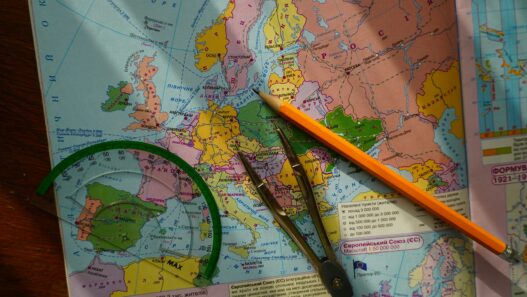
The Baltic Sea forms a symbolic part of what Russia considers to be its rightful sphere of influence. During the Great Northern War (1700-21), Peter the Great turned Russia into an empire by successfully challenging Swedish supremacy. When Finland and Sweden decided to join NATO, it confirmed the perception in Moscow that the American-led military alliance is determined to weaken Russia. Russia’s sense of vulnerability in northeastern Europe is particularly acute as melting sea ice is leaving its vast Arctic coastline increasingly exposed. In response, Putin has reintroduced the Leningrad Military District – the Soviet-era military body that orchestrated Stalin’s assault on the Baltic States and Finland in the Second World War. 
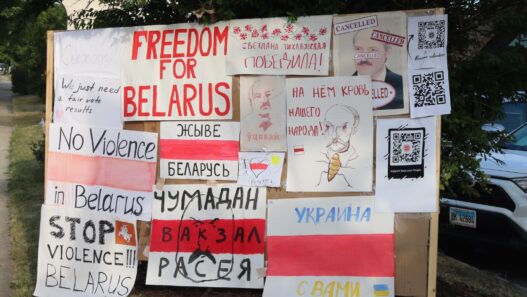
In parallel, Russia has been conducting its Zapad-2025 military exercise this month in Belarus, a country which shares a border with NATO members Poland, Lithuania, and Latvia. While the exercise does not indicate an imminent escalation of Russia’s war on Ukraine, it shows that Moscow is capable of using Belarusian territory and military infrastructure for its own purposes. The Trump administration might well think that it can achieve a negotiated settlement in Ukraine. But such an outcome would likely allow Russia to refocus its military capabilities and pose a serious threat to NATO’s northeastern flank.
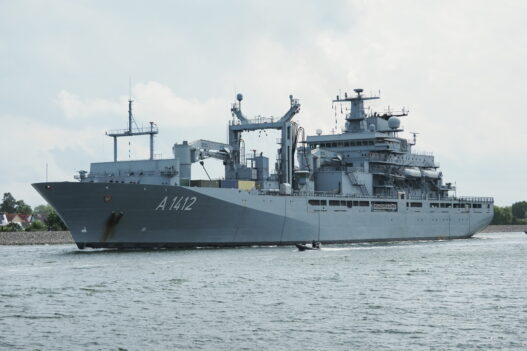
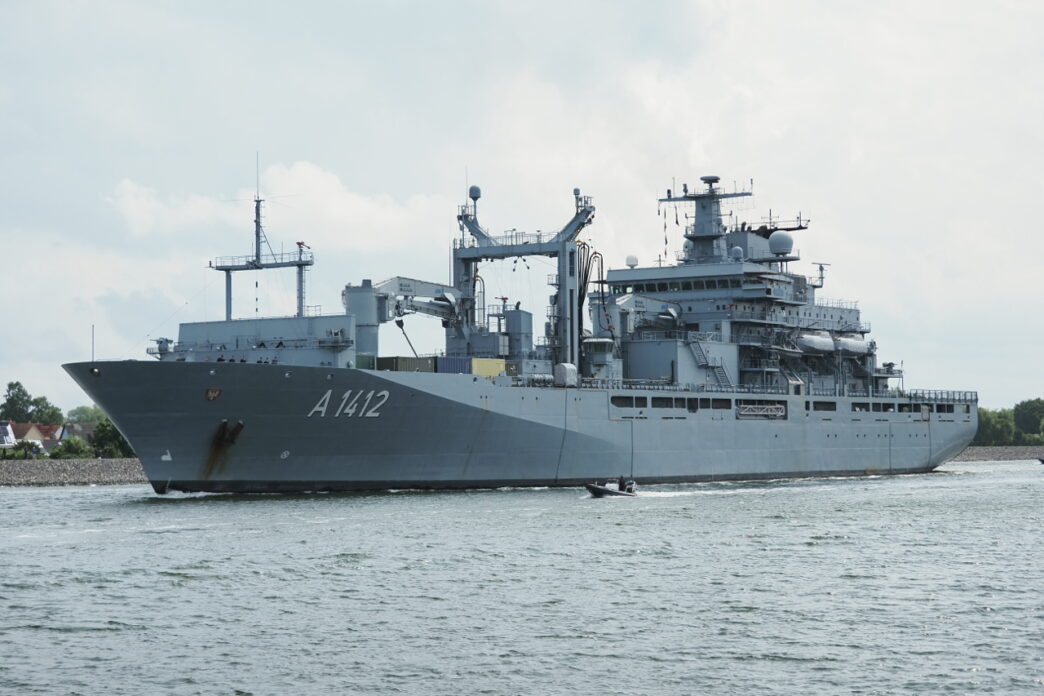
In this evolving security situation, Germany has emerged as a vital actor that can counter Russia’s expansionist ambitions. A few months after he assumed office, Friedrich Merz inaugurated a new brigade in Lithuania—the first permanent stationing of German troops on foreign soil since World War II. The German foreign minister, Johann Wadephul, stated that ‘it is clear that the Baltic’s security is also our security’ before meeting with his Estonian counterpart in Tallinn. This is the clearest indication yet of Merz’s intention to fulfil Germany’s responsibilities as expected by its eastern NATO allies.
But while these steps are important, there are urgent questions that Merz needs to answer if he is to transform Germany into a power capable of deterring Russia. The tradition of peaceful coexistence with Moscow still remains strong as Willy Brandt’s policy of détente with the Soviet Union during the Cold War made German reunification possible. Merz will need to convince his electorate that rearmament and continued support for Ukraine are in the interests of Germany – and Europe as a whole. It is also unclear whether Merz, who is a staunch transatlanticist, is genuinely committed to making the EU strategically autonomous.
The Baltic States are looking increasingly towards Germany as a key source for their security. Russia is not solely a threat to Ukraine and its national survival. It represents a wider systemic challenge for all of Europe. The long-term stability of the continent will depend on how effectively Germany can adapt to this deteriorating security environment. It is essential that Merz places the northeastern flank of NATO at the centre of his government’s geostrategic considerations and pursues further cooperation with the region.