









Tizian Stocker: Zelensky attempted to limit the independence of Ukraine’s anti-corruption agencies through new legislation. A subsequent law has reversed this measure, but Parliament is now in recess. This move has raised serious concerns among Ukrainian civil society and the EU. Has Zelensky’s action undermined trust between Ukraine and the EU? Could it damage Ukraine’s path toward EU integration?
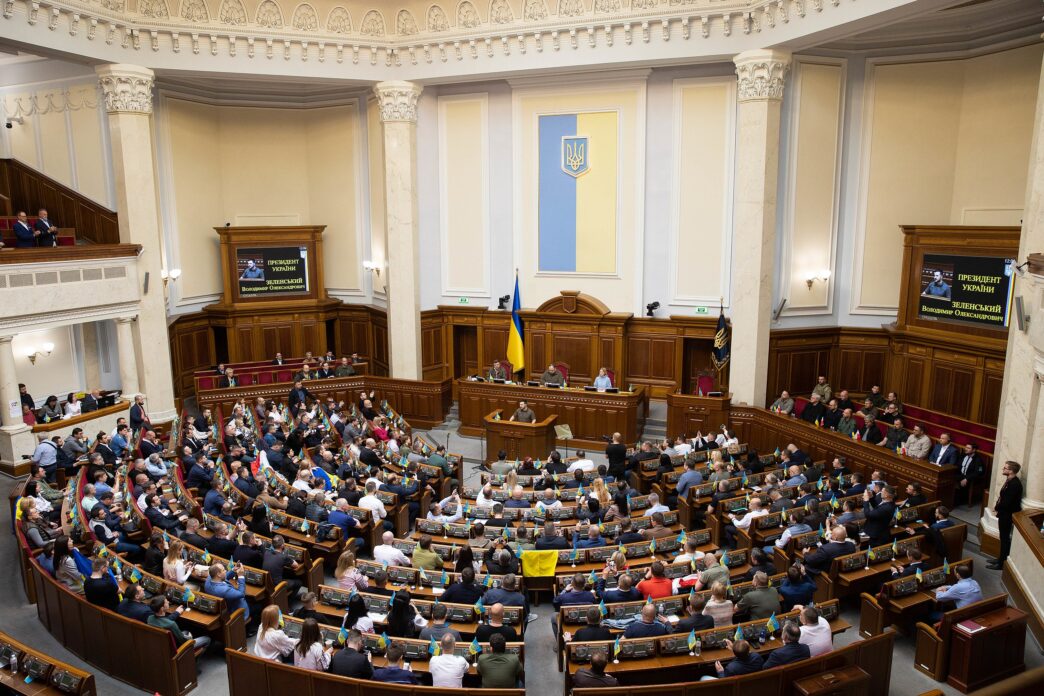
Dr. Susan Stewart: On 22 July the Ukrainian parliament passed a law that severely undermined the independence of two of the country’s most important institutions for fighting corruption: the National Anti-Corruption Bureau (NABU) and the Special Anti-Corruption Prosecutor’s Office (SAPO). The law was pushed through the parliament in record time, and signed the same day by the Ukrainian president, Volodymyr Zelensky. The reason given for the law (and the haste) was the alleged presence of persons in the institutions targeted who were supporting the Russian agenda. However, no clear evidence was provided for this.
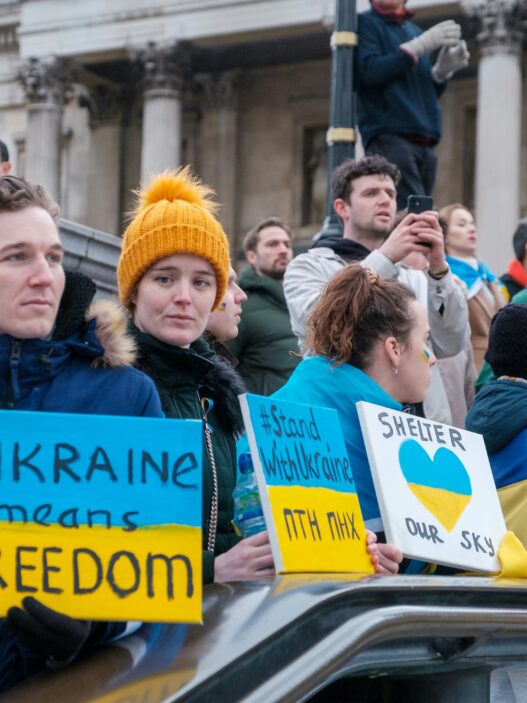
The law triggered significant protest within Ukraine and major concern outside the country. Inside Ukraine, this was the first time large numbers of people had taken to the streets since the beginning of Russia’s full-scale invasion in February 2022. Despite previous problematic actions by the government and the presidential office, the population had held back in order to preserve unity in the country and prevent Russia from instrumentalizing fissures in the Ukrainian political and societal realms for its wartime aims. The protests indicate that a red line had been crossed, in the sense of the attack on the anti-corruption bodies, but also with regard to the complicity of the president in this attack.
A new law passed overwhelmingly by the Ukrainian parliament on 31 July essentially reversed the provisions of the previous law of 22 July, thereby largely restoring the independence of NABU and SAPO. This demonstrates that the so-called “sandwich method” of pressure on the Ukrainian authorities – from civil society inside the country and simultaneously from external actors – continues to be effective. However, it also indicates that the Ukrainian elite has not fundamentally committed itself to the rule of law. Rather, it appears that when this elite – and in particular the circle of people closest to the president and his office – feels threatened by the work of the anti-corruption institutions, they are willing to take measures to weaken or even disempower these institutions. Several of these people, as well as some members of parliament, were under investigation by NABU for various forms of corruption.
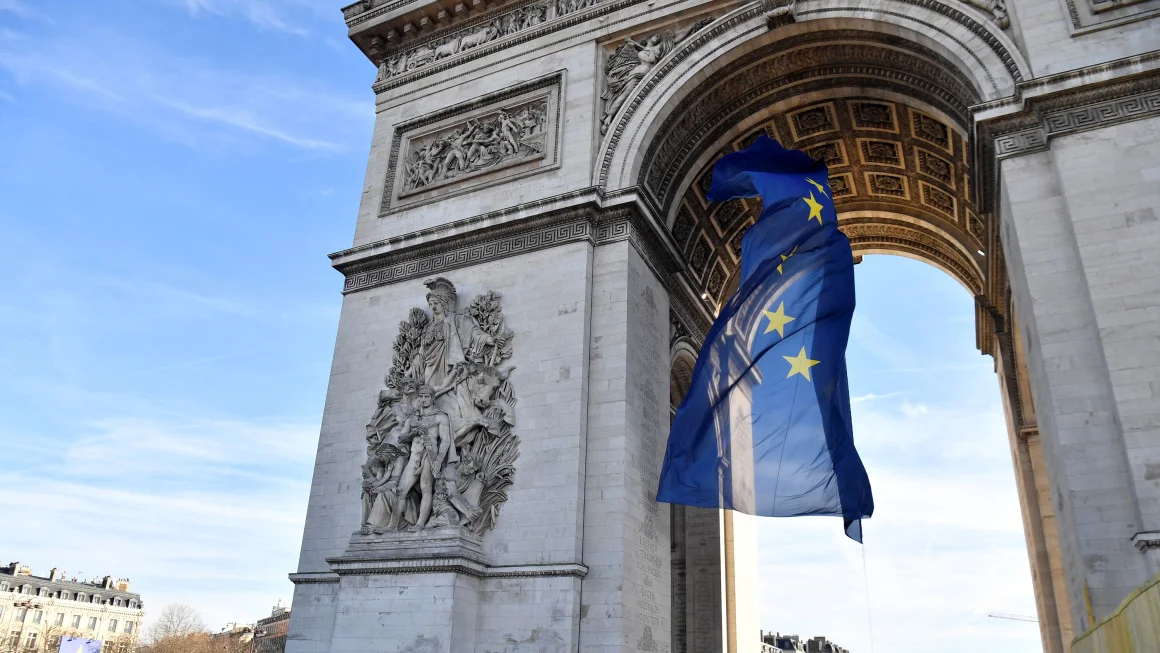
The attitude evidenced by the ruling Ukrainian elite should be of serious concern to the EU and its member states in particular, but also to all those involved in supporting Ukraine during the war. Since Ukraine is a candidate for EU membership and a country claiming to be fighting not only for European security but also for values such as democracy, human rights, and the rule of law, a continuation of such behaviour will severely call into question not only Kyiv’s EU accession bid, but also external assistance more generally. Only a major change in the existing mode of governance in Ukraine will ensure that it remains on the current trajectory of integrating into Western structures. The EU chose a relatively weak response to previous warnings in the Ukrainian context, e.g. regarding the functioning of the Economic Security Bureau or defence-related procurement. In the future European leaders must emphasize the importance of the rule of law agenda more explicitly. Both the Ukrainian and the European sides need to go beyond “ticking boxes” in the reform effort to achieve a qualitative transformation of the form of governance in Ukraine. (3 August 2025)
Dr. Susan Stewart is a Senior Fellow in the Eastern Europe and Eurasia Division at the German Institute for International and Security Affairs (SWP) in Berlin, and co-leads the Working Group “Reordering European Security.” Her research focuses on Ukrainian domestic and foreign policy as well as EU-Russian relations, with special attention to the development of civil society in Eastern Europe, the promotion of democracy, and the role of human rights in foreign policy.