









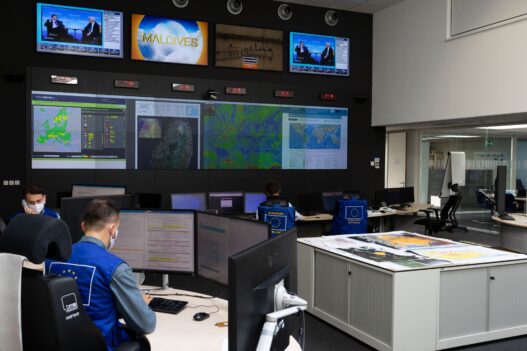
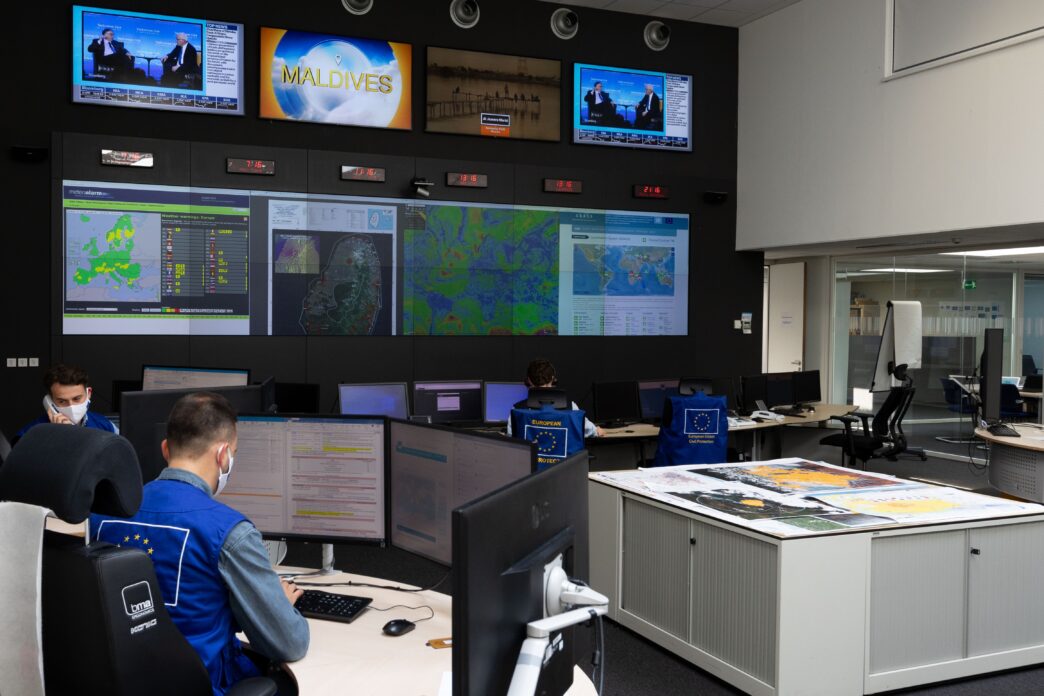
Wildfires sweeping across Spain have triggered one of the European Union’s largest emergency responses this summer, as the EU Civil Protection Mechanism (UCPM) was activated to help contain blazes in Catalonia and Aragón. Thousands of people have been forced to leave their homes as flames spread rapidly through parched forests and farmland, with initial reports estimating several thousand hectares already destroyed. This was Spain’s first time activating the EU Civil Protection Mechanism. In response, the European Commission has quickly mobilised 2 rescEU planes stationed in France.
Upgraded in 2019, UCPM created rescEU to further protect citizens from disasters and to manage emerging risks. Any EU country can request aid, after which the European Commission helps to coordinate offers of assistance, covering transport and logistical costs. The system has been increasingly called upon in recent years, particularly during summers marked by heatwaves and extreme drought.
For Spain, wildfires are not a new phenomenon. However, climate change has made hot and dry conditions more common, extending the traditional fire season and intensifying the risk of large-scale blazes. According to Spain’s Ministry for Ecological Transition, the country has already seen more hectares burned in the first half of this year than the annual average of the previous decade.
Yet Spain isn’t facing this crisis alone. Other countries, including Greece, Bulgaria, Montenegro, and Albania, have similarly activated the mechanism in response to simultaneous wildfires and a sustained heatwave across southern Europe. 
This episode underscores both the strengths and limits of EU-level solidarity. On one hand, the quick arrival of rescEU planes and international crews demonstrates the value of a shared emergency system. On the other, the increasing frequency and scale of wildfires, driven by rising temperatures, extended droughts, and changing climate patterns, raise concerns about whether the mechanism can keep pace with growing needs.