








A major US withdrawal from multilateral frameworks
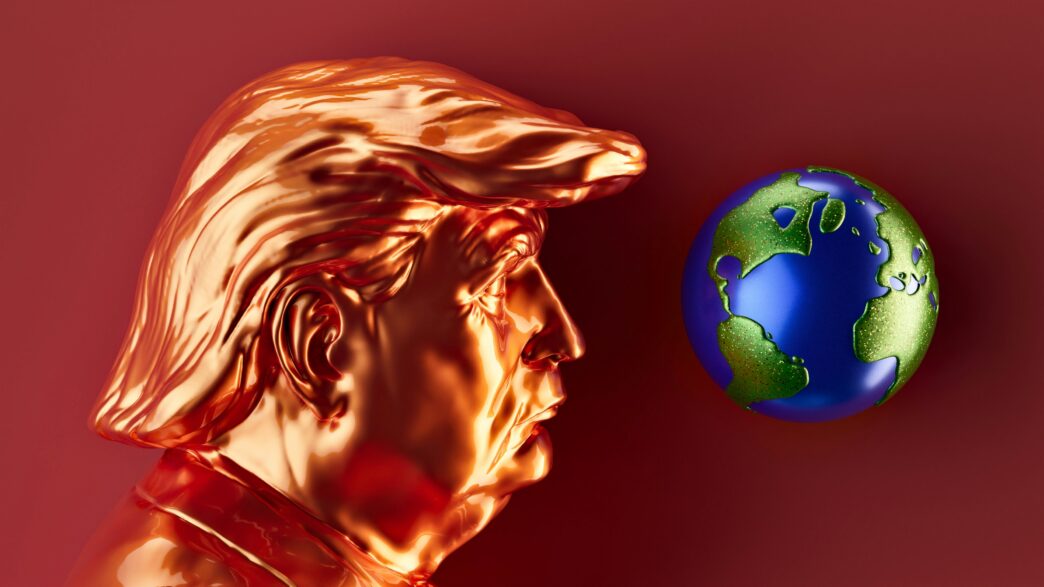
On 7 January 2026, US President Donald Trump announced the withdrawal of the United States from 66 international organisations, including 31 UN-related bodies and 35 non-UN entities, alongside renewed exits from the UN climate framework and associated scientific panels. This represents one of the most significant US retreats from multilateralism in recent diplomatic history.
The decision reflects a broader US policy shift away from “effective multilateralism”, justified domestically on grounds of sovereignty, efficiency and opposition to a perceived “globalist agenda”. For the European Union, the withdrawal of a key systemic supporter of multilateral institutions creates immediate funding, governance and credibility gaps in areas central to EU external action, notably global health, climate governance, development cooperation and the rule of law.
EU leaders and the European Parliament have described the move as profoundly damaging to global governance, while stressing the EU’s responsibility and strategic interest in preventing further erosion of key multilateral regimes, including the Paris Agreement.
Implications for EU multilateral strategy
US policy since the mid-2010s—particularly under the Trump administrations—has oscillated between engagement and withdrawal from multilateral frameworks. Key withdrawals during 2017–2020, including from the WHO and the Paris Agreement, strained WHO finances, weakened global health preparedness, and disrupted development and humanitarian ecosystems following the downsizing of USAID-type functions. These effects are directly felt in environments where EU instruments such as NDICI–Global Europe and Team Europe are heavily engaged.
In response, the European Commission and Members of the European Parliament have condemned the US decisions, reaffirmed EU commitment to climate and health multilateralism, and called for closer coordination with like-minded partners to defend rules-based global governance.
At the same time, EU institutional discourse increasingly links “effective multilateralism” with “strategic autonomy” and the notion of a “geopolitical Commission”. Parliamentary work on climate and global health recognises that the EU cannot fully replace US financial contributions. Instead, it advocates targeted reinforcement of key organisations (WHO, UNFCCC, IPCC and multilateral development banks), alongside greater use of EU trade, financial and regulatory leverage to sustain global regimes. This points to a more selective and interest-driven approach to multilateral engagement.
Nuclear arms control: increasing uncertainty
The broader multilateral retreat coincides with another major source of strategic concern: the impending expiry of the New START Treaty between the United States and Russia in February 2026. As the last remaining bilateral nuclear arms-control agreement, its expiration would leave the two largest nuclear powers without any binding limits on deployed strategic warheads. To date, no substantive discussions have taken place between Washington and Moscow on a successor framework.
While distinct in nature, the US withdrawal from international organisations and the potential lapse of New START reflect a shared logic of unilateral disengagement. Together, they contribute to the gradual weakening of the multilateral and security architectures on which European stability and strategic predictability depend.
Sources
White House, U.S. Department of State, UN News, European Parliament, EEAS, Euronews