







In 1945, the leaders of the three most powerful nations met to discuss Europe’s future after World War II. United States President Franklin D. Roosevelt, British Prime Minister Winston Churchill, and Soviet Premier Joseph Stalin gathered to negotiate the postwar world order and establish new political boundaries. Although the conference was intended to lay the foundation for peace and security, its decisions would have lasting effects on Europe’s political landscape, particularly for nations whose fate was decided without their input. More than eighty years later, a similar trilateral meeting took place in Shenzhen, China. Dubbed “Yalta 2.0,” the meeting brought together leaders of three major world powers: Russia, China, and the United States. The 1945 Yalta Conference established a postwar European and world order; the 2026 meeting raises a similar question under different circumstances.
In a statement before the meeting, Chinese President Xi Jinping claimed that international meetings between major powers are essential to global peace and governance. Similarly, United States President Donald Trump and Russian President Vladimir Putin emphasised the role of international meetings in promoting global peace. These statements emphasise the importance of global cooperation and communication, especially during times of conflict and instability.
After the meeting, all three leaders publicly called it a success. In a Truth Social post, President Trump claimed, “it was a great and highly consequential trip.” Putin made a similar claim, stating this meeting “was an important chapter in the history of diplomacy.” After a 90-minute, closed-door meeting, the three leaders unilaterally emphasised the importance of preventing nuclear war and declared that “nuclear war cannot be won and must never be fought.” This declaration reflects a shared interest in working toward peace worldwide and in Europe.
The Limits of Great Power Diplomacy
Although the three nations unilaterally declared their meeting a success, the sentiment did not carry over to the rest of Europe. Although Ukraine was reportedly among the topics discussed, the three leaders did not establish a clear pathway towards a ceasefire or allow Ukraine to participate in a conversation that deeply affects it. Negotiating an end to the war in Ukraine without the input of Ukraine would spark immediate consequences that serve larger powers, rather than the population of Ukraine.
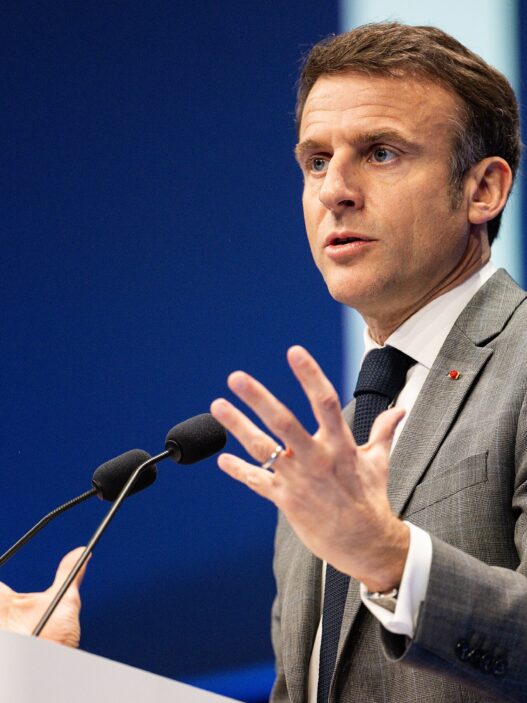
Other European leaders have also challenged the idea that negotiations exclusively by major powers can establish peace. British Prime Minister Andy Burman and French President Emmanuel Macron argued that peace cannot happen without further representation. Macron maintained that peace in Europe must come from Europe itself. This position further reflects a larger concern that decisions made by global powers alone could undermine international sovereignty and security.
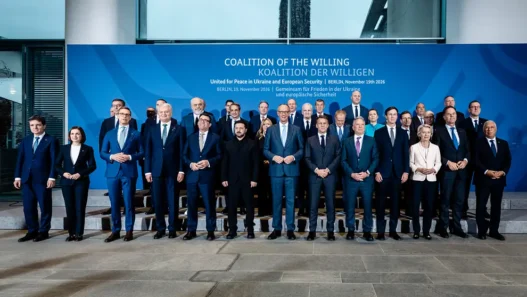
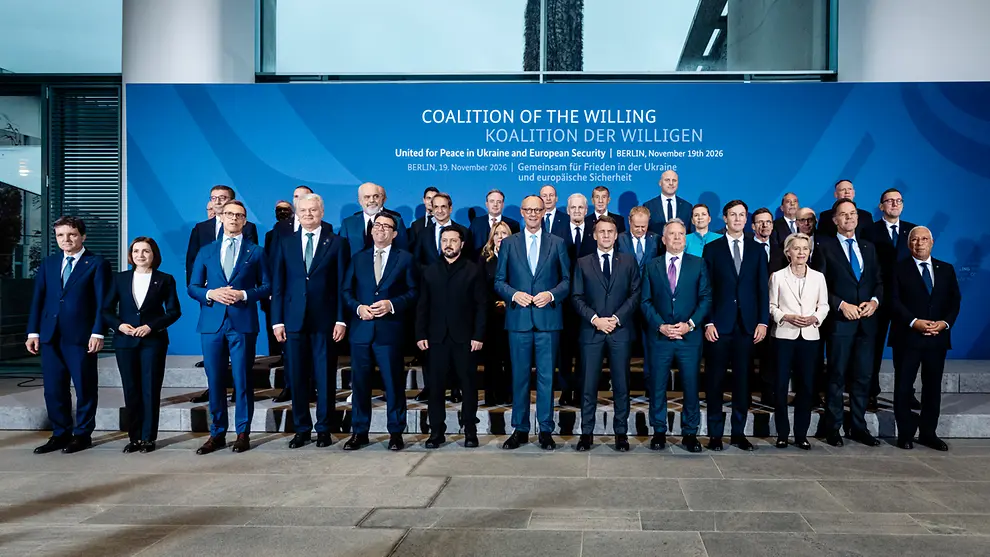
The Coalition of the Willing, an organisation of states supporting Ukraine against the Russian invasion, similarly rejected the “Yalta 2.0” meeting as a path to peace. German Chancellor Friedrich Merz claimed, “At Yalta, Europe was divided up. It was parceled up. And we won’t allow anything like that to happen again.” His statement highlights one of the greatest concerns surrounding the 2026 meeting: the possibility that powerful nations could once again determine the future of smaller countries without their consent. At the 1945 Yalta Conference, decisions by Roosevelt, Churchill, and Stalin helped shape the postwar division of Europe. The legacy of the 1945 Yalta Conference shows the dangers of allowing powerful states to negotiate over the sovereignty and territorial integrity that define the Cold War and the Post-World War II era.
Beyond Ukraine: The Implications of Yalta 2.0
The impacts of Yalta 2.0 extend beyond the immediate conflict in Ukraine, demonstrating broader concerns about Europe’s position in an increasingly multipolar world. While the United States, Russia, and China continue to establish themselves as dominant world powers, Europe risks losing its ability to influence global affairs independently. As Russia, China, and the United States continue to make decisions, Europe’s opportunity to influence international security, economic policy, and diplomatic relationships is increasingly limited. Yalta 2.0 shows how European unity is essential to ensure larger global powers do not overshadow its interests. Europe’s future influence lies not only in its military and economic power, but also in its ability to maintain diplomatic independence and ensure its voice is represented in global decisions.
The 1945 Yalta Conference shaped the post-war world but also demonstrated the consequences of making world-altering decisions without broad representation. The Yalta 2.0 Conference made this same mistake. Despite the unilateral commitment against nuclear war, a broad declaration for peace cannot be a substitute for direct negotiations about the conflict in Ukraine. Peace is not something major global powers can declare. It must be negotiated by nations that will feel the direct effects of these negotiations. As European leaders have made clear, there can be no peace in Europe without Europe’s input.
News from European Relations:
ERA – A New Yalta of Geopolitical Powers? Not Really. 20 November 2026.
ERA – What Ukraine Needs Now: European Unity, Security Guarantees and a Lasting Peace. 19 November 2026.