











Elisa García-España is Professor of Criminal Law and Criminology at the University of Málaga and Director of the Observatory of the Criminal Justice System and Immigration (OCSPI). She also directed the PREMECE programme, which combined research and social intervention to improve the protection of unaccompanied migrant children in Ceuta.

Tizian Stocker is Administrative Media Editor and Chief Briefing Analyst at the European Relations Association.
Info box:
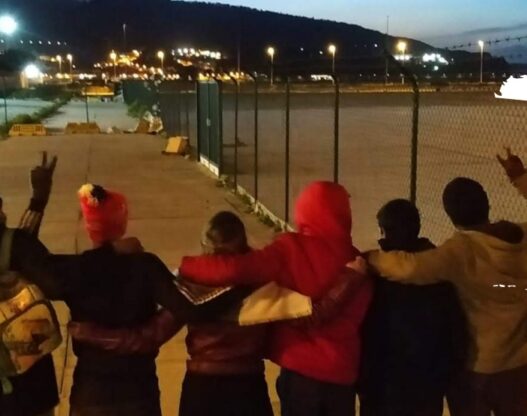
PREMECE (Prevención de la delincuencia de menores extranjeros no acompañados en las calles de Ceuta / Prevention of delinquency of Unaccompanied Foreign Minors in the streets of Ceuta) is a Ceuta-based initiative focused on preventing juvenile delinquency among unaccompanied foreign minors in the city. Its work centers on supporting the social integration of minors and addressing factors that may contribute to vulnerability, social exclusion and involvement in crime, particularly among young people living or spending time on the streets.
When Protection Systems Come Under Pressure
Tizian Stocker: What are the main challenges when arrival numbers increase sharply?
Elisa García-España: The greatest challenge is ensuring that the child protection system can respond without compromising the quality of individual care. When reception facilities become overcrowded, the response risks focusing primarily on emergency needs—such as accommodation, food and security—while other essential aspects receive less attention. These include the early assessment of each child’s needs, psychological support, education, language learning and the development of an individual life project. Effective protection requires maintaining high standards of care even under intense pressure.
“These [essential aspects which receive less attention] include the early assessment of each child’s needs, psychological support, education, language learning and the development of an individual life project.”
Elisa García-España
Info box:
An individual life project is a personalized plan developed with a young person to support their wellbeing, development and transition into adulthood. For unaccompanied children, it can bring together goals related to education, language learning, vocational training, social integration and future living arrangements, while taking into account their individual needs, circumstances and aspirations. The aim is to provide children with a realistic pathway toward independence and a stable future.
Looking Beyond Basic Needs
Tizian Stocker: What is particularly important to identify the individual needs of these children after arrival?
Elisa García-España: Our experience shows that an early, comprehensive individual assessment is essential. Unaccompanied children are a highly diverse group, with different backgrounds, vulnerabilities, aspirations and migration experiences. Understanding these differences from the outset makes it possible to design tailored support plans. Equally important is ensuring that professionals have sufficient time and resources to build trust with the child, as many needs only emerge once a trusting relationship has been established.
“Unaccompanied children are a highly diverse group, with different backgrounds, vulnerabilities, aspirations and migration experiences.”
Elisa García-España
Info box:
Unaccompanied children are people under the age of 18 who are outside their country of origin and are separated from both parents or other legal or customary caregivers, without another responsible adult accompanying them. As children without a parent or guardian to provide care and protection, they are entitled to additional safeguards under international and European law, including access to appropriate accommodation, education, healthcare and protection from exploitation and abuse.
Elisa García-España: One of the main lessons from PREMECE was that child protection should go beyond meeting basic needs. When young people receive clear information about their situation, educational opportunities, professional support and realistic prospects for the future, they are more likely to engage in positive pathways towards inclusion. In our experience, good protection is also one of the most effective forms of prevention.
We thank Elisa García-España for her insightful contribution and for her fantastic cooperation with the European Relations Association (ERA).
Info boxes provided by Laksmitha Anindyanari.
Recent News about Ceuta:
EU Agrees to Deploy Border Support to Spain After Ceuta Talks
Hundreds of Migrants Reach Spain’s Ceuta Enclave From Morocco