







Update (07.09.2026): News: Bosnia withdraws most embassy staff from Serbia over Mladić funeral (Radio Free Europe)
Update (07.09.2026): News: Croatian PM Plenković criticises EU leaders’ muted response to Mladić funeral (Večernji list)
Update (07.09.2026): Analysis: Mladić funeral exposes gap between Serbia’s EU ambitions and political reality (POLITICO)
Update (04.09.2026): News: EU blasts Serbia over Mladić funeral (POLITICO)
Update (02.09.2026): News: Austrian NEOS calls for suspension of Serbia’s EU accession talks (OTS)
Update (29.08.2026): Commentary: Europe tolerates Serbia’s glorification of Mladić (Yetkin Report)
Update (29.08.2026): Commentary: Mladić myth preserves national victimhood narrative (Vjerujem.hr)
Update (28.08.2026): Commentary: Mladić reflects Russia’s return to strongman nostalgia (Kommersant)
Update (28.08.2026): Analysis: Mladić’s legacy still divides the Balkans (EfSyn)
Update (28.08.2026): Commentary: Mladić’s hero myth serves Vučić (Vreme)
Update (28.08.2026): Serbia says Mladić to receive state funeral honours (France 24)
Update (28.08.2026): Vučić criticises UN tribunal over Mladić (ZEIT)
Quick Brief:
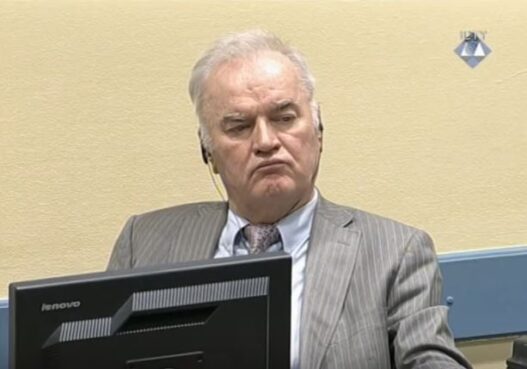
Ratko Mladić died on 27 August, aged 84, while serving a life sentence in UN custody in The Hague; the UN tribunal has ordered an inquiry into the circumstances of his death
The UN war crimes tribunal convicted him of genocide, crimes against humanity and war crimes, sentencing him to life imprisonment in 2017; the judgment was upheld on appeal in 2021
His conviction included responsibility for the 1995 Srebrenica genocide, in which more than 8,000 Bosniak men and boys were killed, as well as crimes committed during the siege of Sarajevo
His death has again exposed deep divisions over the Bosnian War: survivors stress the permanence of the court judgments, while some Serbian and Bosnian Serb nationalists continue to portray Mladić as a defender of Serbs
Sources: BBC, UN International Residual Mechanism for Criminal Tribunals, Reuters
Transparency Note: Use of AI