








The diplomacy swirling around Ukraine in late 2025 is less a single, coherent peace drive than a collision of competing strategies; an American push that many in Europe view as overly concessionary, a resilient Ukrainian refusal to cede territory, a Kremlin eager for a diplomatic imprimatur on battlefield gains, and an emergent European effort to preserve Kyiv’s sovereignty and NATO’s credibility. The immediate flashpoint is the U.S. 28-point peace proposal, later revised in parts, promoted by President Donald Trump and carried to Moscow and Kyiv by a team including Steve Witkoff and Jared Kushner. That plan, and the frantic diplomacy that followed, reveal deep fractures in Western policy and raise hard questions about security guarantees, territorial integrity, and geopolitical purpose.
The core of the U.S. plan and why Kyiv balks
At its most controversial, the plan asked Ukraine to accept painful political and territorial tradeoffs: territorial concessions in the east, a legally binding pledge to forgo NATO membership, caps on the size of Ukrainian armed forces, and restrictive language on future legal claims and pursuit of alleged war crimes. For Washington, the package is framed as a way to lock in peace quickly and stop further attrition; for Kyiv and many European capitals, it reads like an effort that rewards aggression and locks in Russia’s gains. Therefore, President Volodymyr Zelenskyy has repeatedly and publicly refused to sign away territory, arguing that such concessions violate Ukrainian law, justice for victims, and international law, including the UN Charter’s Article 2(4), which prohibits the use of force against the territorial integrity or political independence of any state. This categorical stance has become the litmus test for any credible Ukrainian deal.
The U.S. team’s pitch to Kyiv combined offers of security guarantees with pressure to accept land compromises. Kyiv’s unwillingness stems from both principle and prudence: ceding ground now risks creating a territorial precedent and leaves the country dependent on unspecified guarantees that could prove weak if Washington’s political winds shift. Zelenskyy has sought not only guarantees but durable, enforceable security arrangements which include multinational deployments and treaty-level protections, which the original U.S. framework explicitly constrained.
Transactional diplomacy, minerals and the fingerprints of deal-makers
Beyond geopolitics, the U.S. approach bore unmistakable transactional hallmarks. Administration officials have pursued a broader economic architecture around Ukraine, including talks over revenue-sharing and access to critical minerals resources that are geopolitically valuable for green-economy supply chains. Public statements from the U.S. side about a minerals deal and revenue arrangements have fed European unease that strategic economic interests are being folded into security bargains. Moreover, the optics of real estate dealmakers and private financiers playing central roles in delicate diplomacy, especially Steve Witkoff and Jared Kushner, sharpened concerns about the entanglement of commercial networks, elite business interests, and familial ties with formal foreign policy processes . 
Moscow, unsurprisingly, greeted the shift with cautious affirmation. President Vladimir Putin’s government, which long sought formal recognition of territorial gains and constraints on NATO expansion, saw in the U.S. draft many of its negotiating demands reflected in the U.S. draft and publicly described contacts with U.S. envoys as “productive.” That response is political gold for the Kremlin: a U.S. initiative that appears to concede its key demands weakens Kyiv’s bargaining power and undercuts the basis for sustained European pressure.
Europe’s reaction: scrambling for an alternative and strategic autonomy
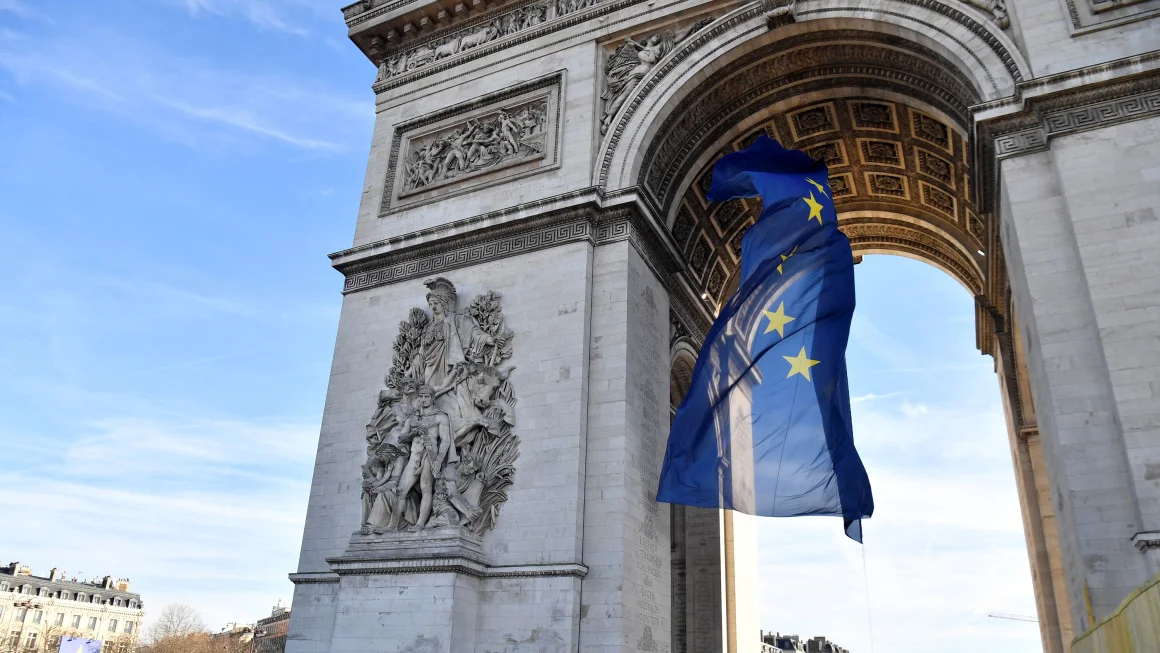
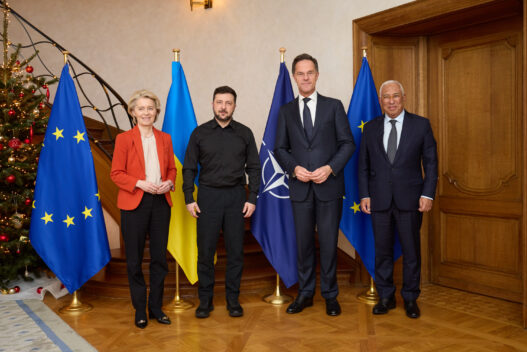
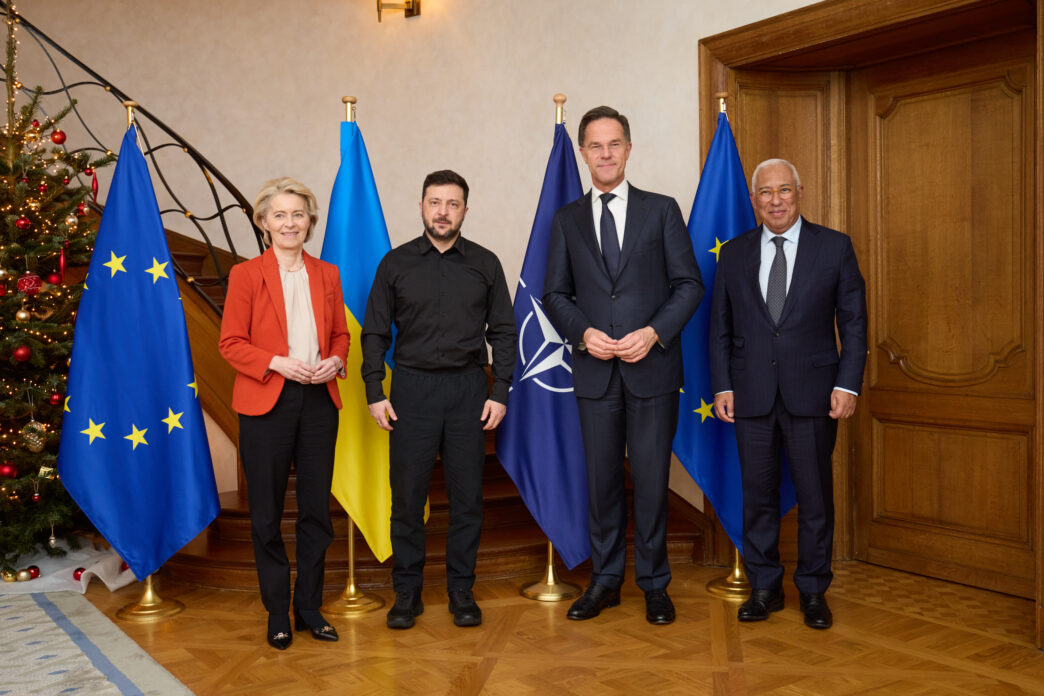
European capitals reacted with alarm and urgency, and the leaders in London, Paris and Berlin coordinated to shore up Kyiv’s political resistance, also, European institutions moved to craft alternative frameworks that preserve Ukrainian sovereignty while seeking realistic security arrangements. The European counter-effort emphasizes that any settlement must uphold territorial integrity, provide credible multilateral guarantees, and avoid normalizing annexation by force, precisely because ceding these principles would erode NATO’s normative backbone. Think tanks and policy forums in Brussels and elsewhere explicitly warned that a U.S.-led deal which excluded European input risked splintering Western unity.
That diplomatic rupture coincides with a rapid European rearmament and a push for strategic autonomy. France has announced a new voluntary military service to bolster reserves and civic-defense capacity and Germany is accelerating procurement and revising troop targets to strengthen deterrence and surge readiness. The calculus is clear: Europeans are preparing to shoulder more of their own defense burden in the event U.S. policy proves fickle or transactional. The effect is paradoxical, because while Washington signals a retreat from continuous global stewardship, Europe pivots toward defense self-reliance and deeper integration of security policy.
The Biden-Trump continuity and discontinuity
Comparing administrations, the latest U.S. posture is both a rupture and a mirror. The Biden era prioritized collective defense of Europe and sustained arms and financial flows to Kyiv and the Trump administration’s plan trades territorial settlement for a rapid end to active hostilities and places far more emphasis on bilateral deals and transactional guarantees. Yet this isn’t a straight break since Washington under Trump still aims to project influence and preserve leverage, albeit through concentrated regional terms rather than multilateral permanence. Trump’s public oscillations about Zelenskyy,alternately praising, pressuring, and threatening timelines for acceptance have sown confusion in Kyiv and among allies, making consistent deterrence and reassurance politically harder.
The present situation and pragmatic recommendations
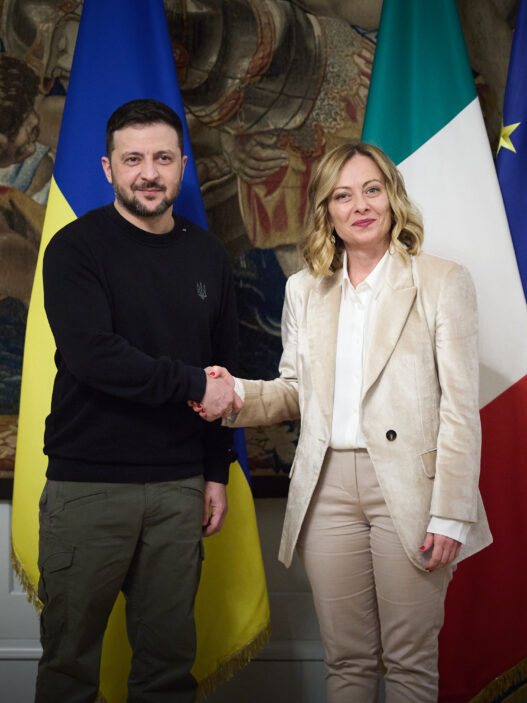
As of December 2025, talks are ongoing but fragile, with the U.S. envoys’ shuttle diplomacy between Kyiv and Moscow; Zelenskyy travels to Europe to secure collective backing, Moscow indicating willingness to engage but also pushing its demands for broader concessions. The most realistic path toward an enduring settlement does not run through any single power’s draft. It must combine several elements:
- Multilateral core guarantees: a treaty or UN-endorsed arrangement with clear enforcement mechanisms (multinational battalions, international observers, sanctions snapbacks) rather than purely bilateral or conditional promises.
- Territorial baseline consistent with international law: any adjustments must reflect verifiable changes on the ground and be subject to referendum standards or international adjudication, avoiding unilateral legitimization of conquest.
- European leadership and buy-in: peace architecture must have robust European co-leadership; sidelining partners risks fragmentation and erosion of NATO credibility.
- Economic reconstruction tied to rule-of-law safeguards: investment (including minerals deals) is essential, but revenue-sharing and resource access must be transparent and designed to avoid fueling kleptocratic capture.
- Phased security normalization: gradual demilitarization and arms control with verifiable steps, sequencing security guarantees after durable ceasefires and withdrawal verifications.
The Ukraine case is a test of whether 21st-century peace is negotiated by dealmakers or anchored in durable multilateralism. If the international community opts for speed over justice, short-term quiet will likely produce long-term instability. If it chooses unity, enforceable guarantees, and Ukrainian consent, there is a chance to translate a battlefield pause into a lasting and legitimate settlement. The window for such a balance is narrow; what fills it with transactional expediency or collective security will shape Europe’s strategic order for a generation.