








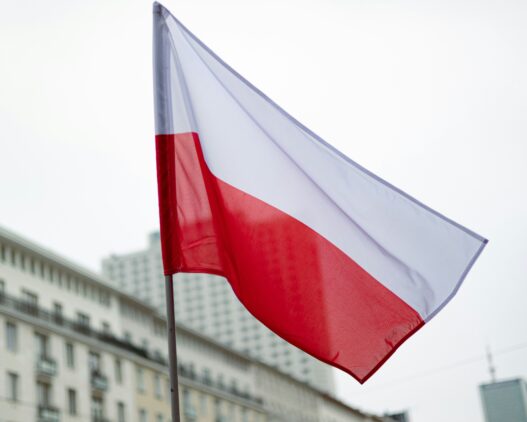
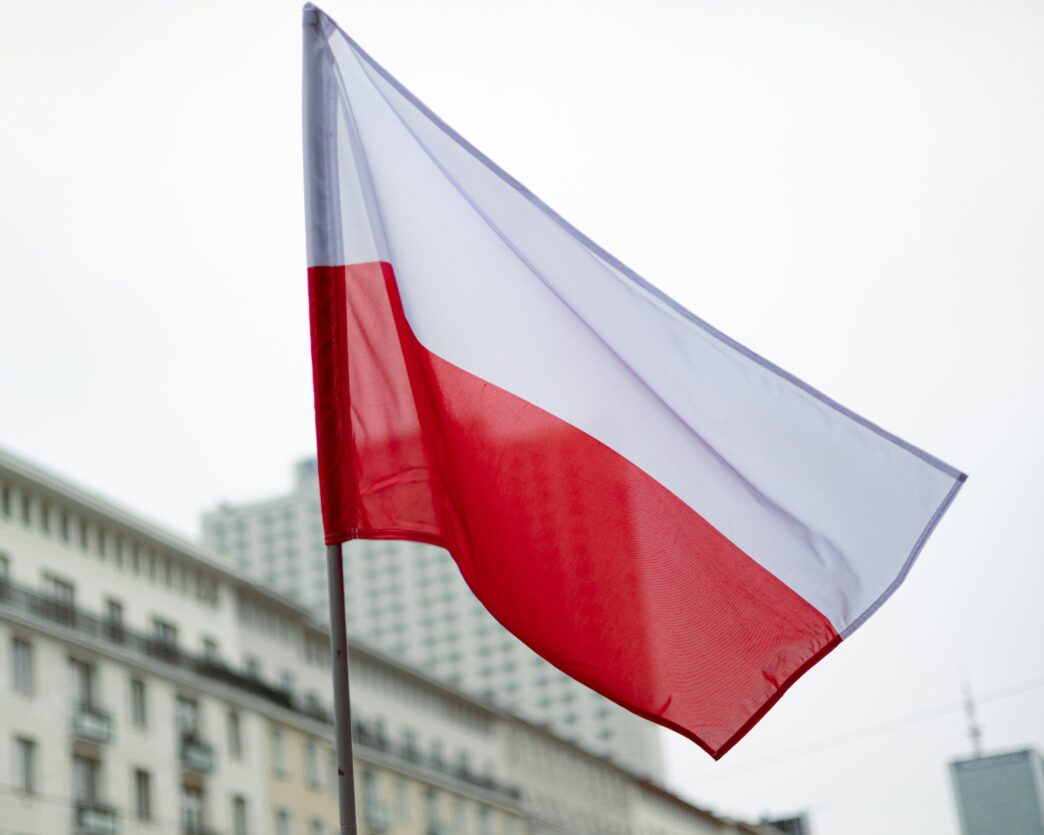
Turnout and security: Warsaw officials estimated around 250,000 participants. The march passed without major incident under heightened security after the deadly Kraków shooting.
EU fault line: Organisers rallied against EU influence and mass immigration, portraying Tusk as a puppet of European Commission President Ursula von der Leyen.
Court dispute: Some marchers accused the government of taking over the Constitutional Tribunal. Tusk’s government blames Nawrocki for refusing to swear in several judges elected by parliament.
Political divide: The march brought together right-wing and far-right opposition figures ahead of the 2027 parliamentary elections. In Szczecin, Tusk invited Nawrocki for talks.
Sources: Notes from Poland, EUobserver, Notes from Poland – Constitutional Tribunal explainer
Transparency Note: AI-assisted. Reviewed by the Briefing Team.