





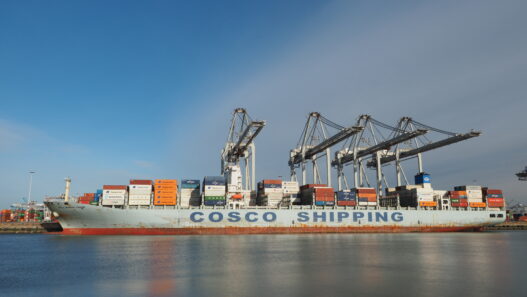


As the economic toll of the war in Iran rises, driven largely by the closure of the Strait of Hormuz, through which approximately 20% of the world’s oil supply is traded, U.S. President Donald Trump has called on allies to help reopen the strait. However, this appeal has been accompanied by implicit threats directed at Europe regarding the future of NATO, with Trump warning that “it will be very bad for the future of NATO” if countries fail to contribute to patrol efforts.
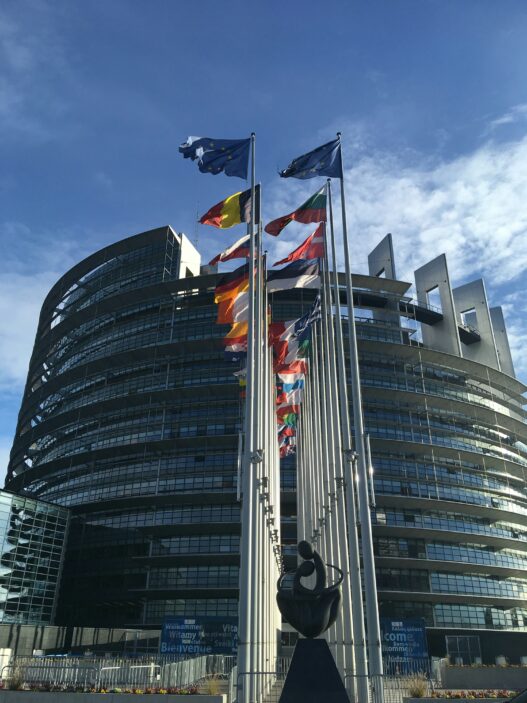
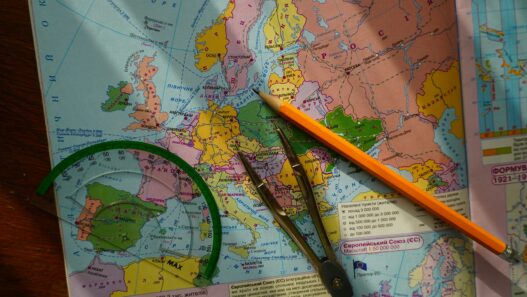
In response, the foreign ministers of the 27 EU member states convened in Brussels to discuss possible courses of action. Among the options considered was reinforcing existing EU naval operations in the Middle East, including Aspides and Atalanta. While these missions currently focus on protecting EU commercial vessels from Houthi attacks, they do not operate in the Strait of Hormuz, and their rules of engagement limit their operational scope. The EU’s High Representative, Kaja Kallas, also indicated that discussions had taken place with UN Secretary-General António Guterres on the possibility of a joint initiative to secure maritime navigation. Such an effort could resemble the Black Sea Grain Initiative, which enabled the safe export of Ukrainian agricultural products during ongoing hostilities.
Shortly after Kallas’s remarks, however, several foreign ministers publicly rejected Trump’s request. Luxembourg’s Deputy Prime Minister, Xavier Bettel, stated that his country would not yield to what he described as U.S. “blackmail,” emphasizing that Luxembourg would not be compelled to address a crisis it did not initiate. While expressing willingness to provide support in areas such as satellite communications, Bettel made clear that Luxembourg would not contribute troops or military equipment. Following the meeting, Kallas reiterated that “Europe has no interest in an open-ended war,” with EU officials conveying to Washington that “this is not Europe’s war.” Similarly, UK Prime Minister Keir Starmer stressed that the United Kingdom would not be drawn into a broader regional conflict. In response, Trump expressed dissatisfaction with the UK’s position while suggesting that France might be more willing to participate.
Regarding the possibility of a NATO-led mission, such a deployment appears highly unlikely. Several member states have already signaled opposition, including German Chancellor Friedrich Merz, who emphasized that NATO is “a defensive alliance, not an interventionist one,” and therefore has “no place” in the conflict. This resistance underscores the absence of the consensus required for NATO action. Moreover, even if an agreement were reached, NATO would likely be slower to respond than ad hoc bilateral arrangements.
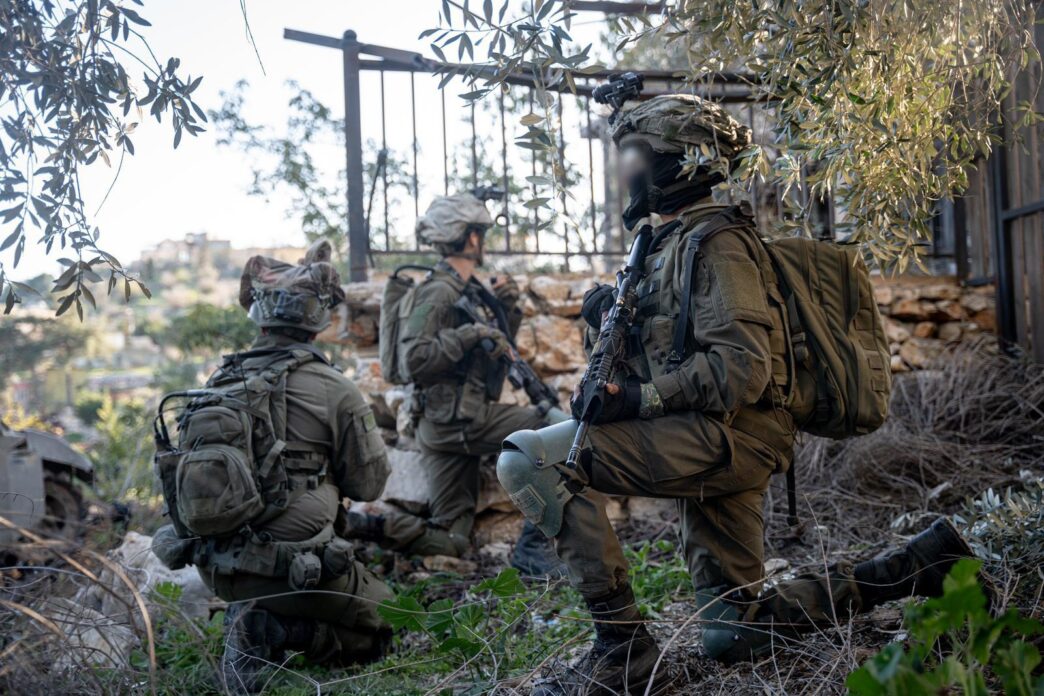
This does not mean that Europe has been inactive in addressing the broader consequences of the conflict. Many European citizens have already been repatriated, and the EU has begun distributing humanitarian assistance. On March 16, Israel launched a ground invasion of Lebanon, despite a joint statement from the leaders of Canada, France, Germany, Italy, and the United Kingdom urging restraint on humanitarian grounds and warning of a protracted conflict. The offensive followed missile attacks by Hezbollah in support of Iran. The operation has displaced more than 800,000 people, with approximately 3 million individuals in Lebanon now requiring humanitarian assistance as of March 2026.
In response, the EU has mobilized emergency aid, including food, medical supplies, shelter materials, and winter provisions. Humanitarian airbridge flights are already delivering assistance on the ground. The European Commission has also confirmed a €450 million humanitarian aid package for 2026 covering Palestine, Lebanon, Syria, Jordan, and Egypt, of which €100 million is allocated to Lebanon. Thus, while Europe has refrained from deploying military assets in support of U.S. and Israeli operations against Iran, it remains actively engaged in mitigating the humanitarian consequences of the conflict.
Sources
European Commission, European Commission, Politico, Politico, Politico, NPR,