




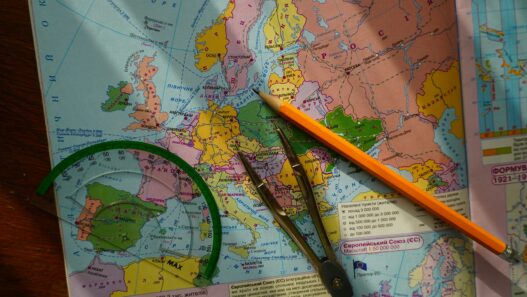


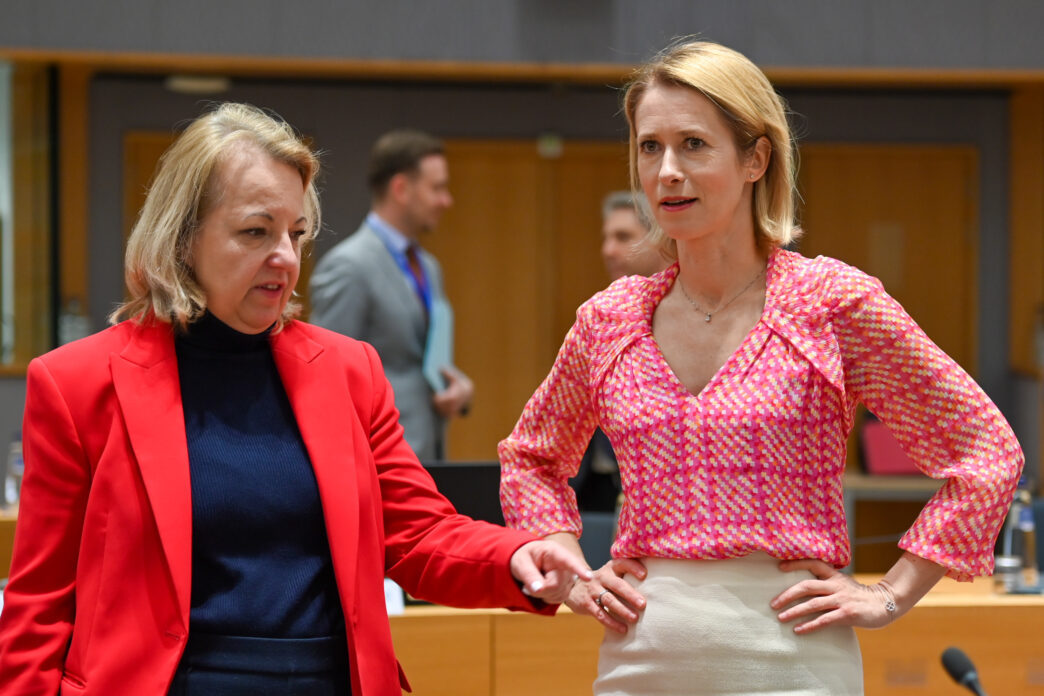
EU foreign ministers met in Brussels on 16 March 2026 to address simultaneous crises affecting European security and prosperity. They focused on support to Ukraine, the escalation in the Middle East, and the protection of maritime routes crucial for energy and trade. Ministers sought to balance political signalling, operational commitments, and limited national capabilities, highlighting the “risk of a wider regional conflict”, including risks to regional stability, global trade routes, financial markets, and energy prices.
Strategic context
The Foreign Affairs Council (FAC) is the configuration of the Council bringing together EU foreign ministers under the chairmanship of the High Representative. It oversees the Common Foreign and Security Policy and the Common Security and Defence Policy, including sanctions, civilian and military missions, and partnerships with third countries. The 16 March 2026 session took place after months of sustained EU support to Ukraine and amid renewed tensions in the Middle East, affecting both energy flows and shipping lanes.
Key discussions
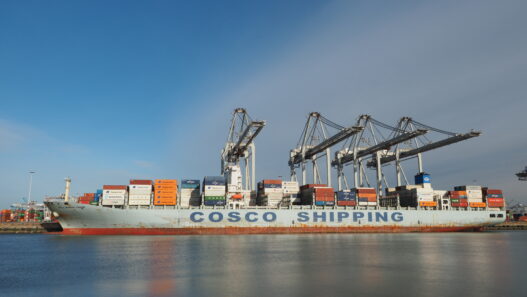
Member States entered the meeting with differing priorities, but Ukraine remained the central strategic priority. At the same time, instability in the EU’s southern neighbourhood and at sea is driving a broader assessment of risks, with particular concern over maritime security and freedom of navigation in the Red Sea and the Strait of Hormuz.
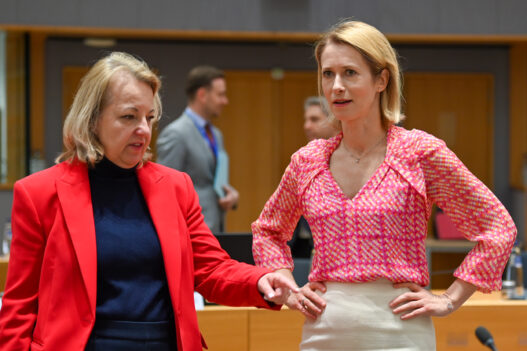
The protection of EU citizens in the region was highlighted as a key priority: “As this war expands, the EU’s priority remains the protection of our citizens” (Kaja Kallas). Restarting shipments of fertilisers, food, and energy through the Strait of Hormuz is also considered urgent, but “for the time being, there was no appetite to change the mandate of Operation ASPIDES – for now”. Ministers underlined the broader economic consequences: “20% of the world’s energy – oil and gas – goes through the Strait of Hormuz… Fertilisers are going through the Strait of Hormuz… If we do not have fertilisers now this year, we will have a famine next year”.
The meeting also stressed the importance of supporting Iranian civil society and continued engagement with regional partners, including Gulf countries, to support de-escalation efforts and regional security. The situation in Gaza and the West Bank was described as worsening rapidly, with both the humanitarian situation and the political horizon moving in the wrong direction; the EU will continue to press for improved humanitarian access, de-escalation**,** and support for Palestinian Authority reforms, while divisions persist on sanctions against violent settlers. The EU announced €100 million in humanitarian aid to Lebanon and reiterated support to the Lebanese Armed Forces “to disarm Hezbollah”.
Analysis
The FAC communication highlights strong, “steadfast” support for Ukraine and “comprehensive” engagement in the Middle East, signalling continuity rather than a change in policy. At the same time, the increasing focus on maritime security, freedom of navigation and energy‑related risks indicates a gradual shift in what the EU defines as core security interests. The cautious language on ASPIDES and other missions points to an incremental approach: rather than launching high‑profile new operations, the EU keeps options open to adjust existing mandates if conditions worsen. As Kaja Kallas noted, “the security environment is changing fast, and we cannot respond with emergency summits alone. We need a long‑term policy” – a statement that encapsulates the tension between short-term crisis management and the need for a more strategic, long-term approach.
Sources
EEAS, Foreign Affairs Council, 16 March 2026
EEAS, Press conference by HR/VP Kaja Kallas at the Foreign Affairs Council, 16 March 2026