











Competing Models for Long-Term Support
On 2–3 December 2025, the European Commission unveiled two proposals to meet Ukraine’s 2026–2027 financing needs, estimated at €135–140 billion. The package seeks to mobilise up to €90 billion from EU instruments via two models: a Reparations Loan backed by cash balances linked to immobilised Russian central bank assets, and conventional EU borrowing guaranteed by the EU budget and member states. Roughly €260 billion in Russian reserves remain frozen across G7 jurisdictions, including €180–200 billion held via Euroclear in Belgium. The Reparations Loan would use associated cash balances as collateral, with Ukraine required to repay only if Russia pays reparations, allowing the EU to argue that it is not directly confiscating sovereign assets.
Strategic Risks and Institutional Resistance
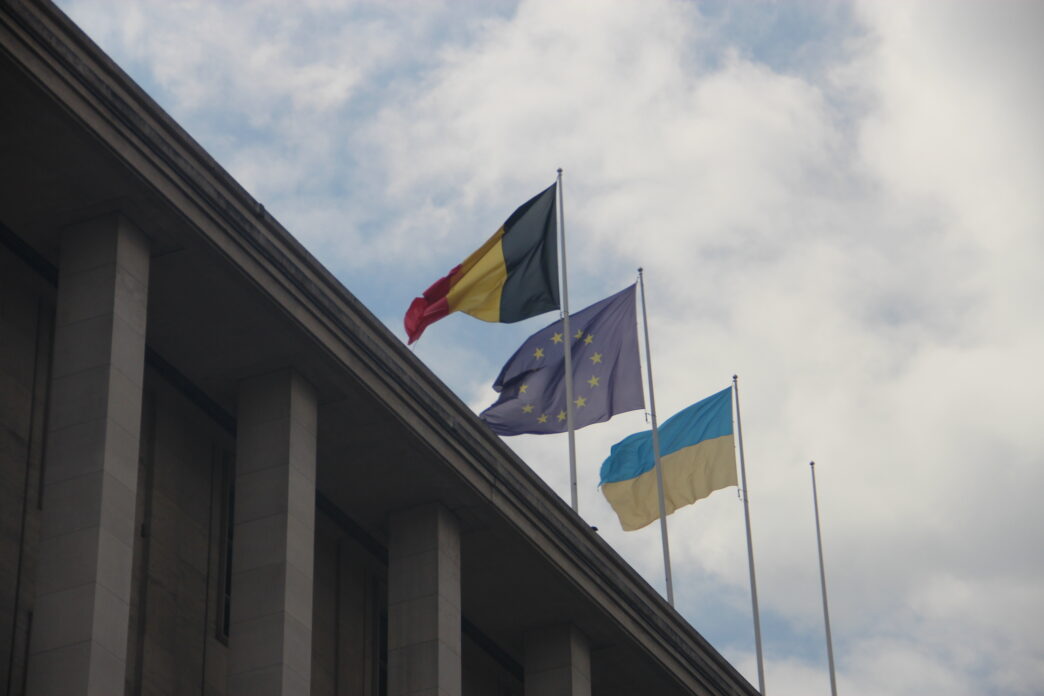
The initiative has immediately exposed political and institutional constraints. Belgium, hosting Euroclear and therefore bearing concentrated legal and retaliatory exposure, warns that insufficient mutualisation could leave the country vulnerable to lawsuits or Russian counter-measures with potentially major fiscal consequences.
The European Central Bank has also expressed concern that linking sovereign reserves to an EU loan, even indirectly, could undermine confidence in euro-denominated assets and stretch treaty protections for reserve immunity. The ECB has declined to act as a backstop, signalling the limits of institutional risk tolerance. The European Council on 18 December will need to determine whether to prioritise the Reparations Loan or revert to a more orthodox joint borrowing structure – a choice with implications for Ukraine’s macro-financial resilience, EU burden-sharing, and the treatment of sovereign assets in cases of aggression.
Legal vulnerabilities and systemic exposure
The proposals come at a moment of heightened legal risk. Investor–state arbitration cases challenging sanctions measures are multiplying, with claims already in the tens of billions and targeting several EU member states. Many rely on older bilateral investment treaties leveraged by sanctioned oligarchs to contest freezes on assets. Euroclear has repeatedly warned that any action perceived as forced transfer or de facto confiscation of Russian sovereign assets could trigger litigation, harm the EU’s reputation as a safe reserve-holding jurisdiction, and in extreme cases threaten financial stability. These concerns elevate the systemic stakes of the decision facing EU leaders.
Implications ahead of the European Council
As the Council meeting approaches, European diplomats are operating under significant time pressure. The strategic choice between mobilising Russian sovereign assets or relying more heavily on member-state contributions will shape the EU’s credibility as a geopolitical actor and set long-term precedents for the governance of sovereign assets during conflict.
Sources: European Commission, Le Monde (+1), EU News, Reuters, European Council, Veblen Institute, France 24, Euronews