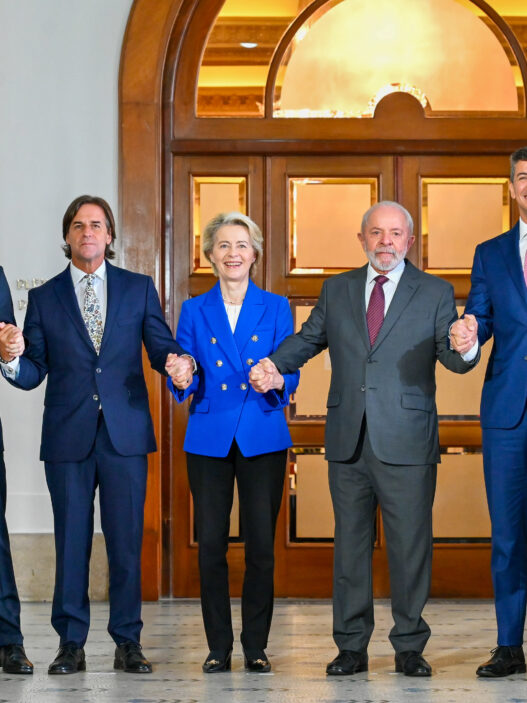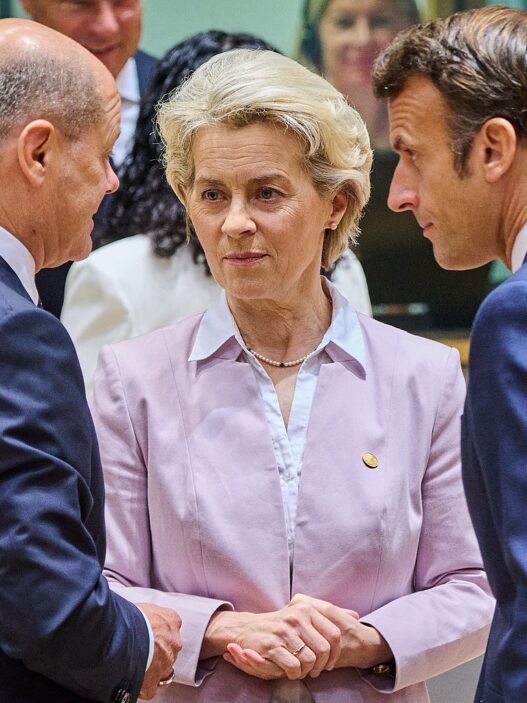






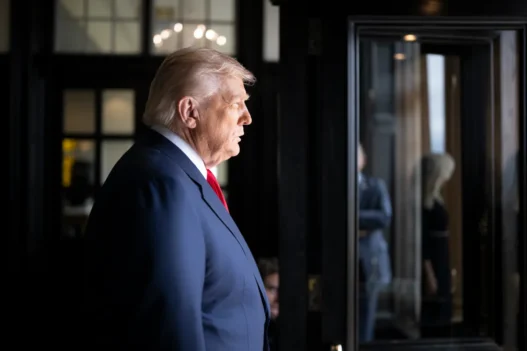
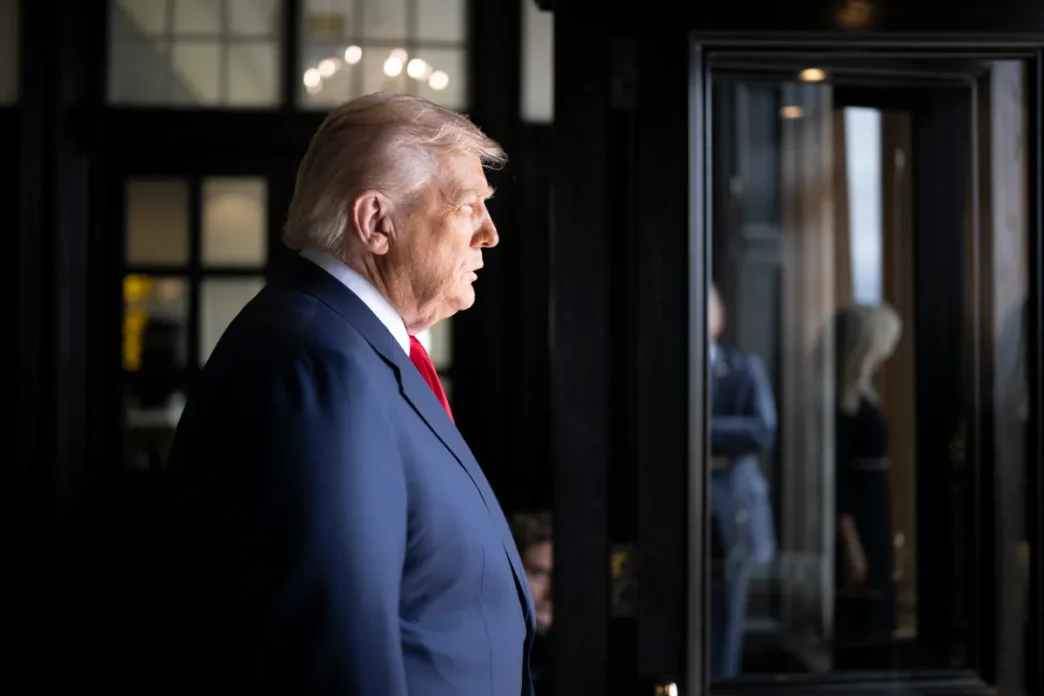
The theatrical and ludicrous nature of Donald Trump’s tariff show was perhaps most excruciatingly displayed during his recent meeting with the President of the Commission, Ursula Von Der Leyen, at his golf course in Scotland. Already aware of the grievances expressed by major members of the bloc regarding the prospective deal, Von Der Leyen squirmed as Trump rambled and boasted; tariffs had been reduced from the original 30% to 15%, but were notably higher than the previous average of 4.8%. The Guardian noted, “the blow to Europe’s international credibility is incalculable in a world that expects the EU to stand up for reciprocity and rules-based trade.”
This episode served as a validation of the position that the EU now finds itself in – subservient, a categorization first established at the NATO summit in June. The congregation of world leaders at the Hague was defined by General Secretary Mark Rutte’s grovelling towards Trump, with the Dutchman exposing his shamelessness both in text and in person. The influence that Trump now exerts is profound. The pledge from NATO members to increase defence spending to 5% of GDP by 2035 is blunt political suicide.
Volatile geopolitics requires a recalibration of defence spending and how it is allocated as warfare becomes ever more diversified. The EU has spent over $3tn on defence in the past decade, more than Russia and involving greater deployment than the US. But such brazen pledges on increasing spending are irresponsible, if not accompanied by any clarity or substance on how such aims would be achieved. Spain’s Prime Minister, Pedro Sanchez, expressed his feelings when the decision was made by calling it ‘counterproductive’ for the vision his government wants to achieve; Spain’s current spending is at 1.3%, asking them to increase by almost 4% is insanity.
The posturing on defence is partly explained by a desire to replicate the machismo espoused by Trump. However, such oratory does not wash with technocratic leaders. Emmanuel Macron, Friedrich Merz, Donald Tusk, Mette Frederiksen, and others from NATO across the continent are wedded to a pragmatic way of operating; this is at the heart of a technocracy, everything is viewed as a means to an end. In this context, the end was appeasement of Trump and to negate his lambasting of the EU, but operating in this manner is reckless, rooted in short-termism, and fails to account for the inevitable trade-offs down the line. 
EU members have been caught in a doom loop ever since 2008. The financial crisis exposed the desire for a never-ending globalised system has pitfalls, masking individual economic problems. Some have carved a different route. The Nordic states enjoy low debt allowing for a higher level of public services, whilst leaders such as Meloni and Orban weaponise economic malaise as a way of pushing forward an authoritarian agenda. But the rest of the continent is in an intellectual stasis; attempting to resurrect a pre-2008 landscape is a redundant endeavour. What lies ahead is a rewiring of the capitalist model that configures growth and productivity as something that is self-owned and not reliant on US subservience.
Rutte’s attitude towards Trump reflects a continent-wide reluctance to accept a reconfiguration of the status quo and confront these tough choices. The New Economics Foundation outlined that an extra €613 billion would be needed collectively across EU members, diverting funds from climate, social welfare, and housing investments to achieve the 5% defence aim. A startling proposition further compounded by the EU deal with the US, spending hundreds of billions on American weapons and natural gas. Directly contradicting climate aims and further self-humiliation for a bloc that has forgotten how to stand on its own two feet.
Appeasing US wishes is not about maintaining harmonious relations but personally vindicating one man. The long-term ramifications of which significantly outweigh any political manoeuvrability cosying up may provide. The trade-offs coming down the line will be era-defining for members. Politics existing on a superficial level, for many, is a luxury. But its reductivist outlook has significant problems for governments that must explain that a greater capital allocation in one area results in austere policies across the board.
‘Cakeism’ has succumbed to many EU members. Levels of migration must be brought under control, but public services are crippled, propped up by the very migrants they seek to dispel. Net Zero pledges are a road to bankruptcy, but our climate is increasingly volatile, with its future never more unpredictable. As the political feeling drifts consistently to the right, it has allowed populism to be built on a cakiest mindset. Those who favour this form of political communication have become drunk at the well of convenience. When juxtaposed with the rhetorical style of a technocrat – who makes decisions not because of an ideological want but an inference of moving with the tide – cakeism is allowed to flourish under the guise of following simple solutions.
The zero-sum decision-making from the EU is tying itself in knots. The bloc’s reduced status to a bit part player in the wake of this new global order has seen cakeism become the only answer to swell the growing tide. Such fickleness not only exacerbates the EU’s dwindling status on the global stage but fails to account for the looming societal problems coming around the corner – ageing populations and decreased birth rates – which will reconstruct the fabric of many of our societies.
The EU is a bastion of rules and order, but operates as if that is something to be covered up, to hide away from, and not worn with pride. Cakeism is the result of a feeble attitude towards international relations, domestic policy, and long-term ambitions. It is a zero-sum game that will have profound and long-lasting consequences, paving the way for those who seek to rip up our democratic norms.