










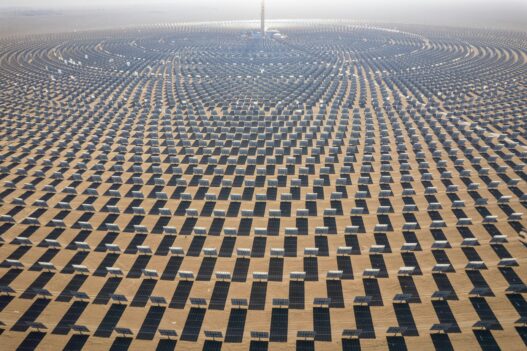
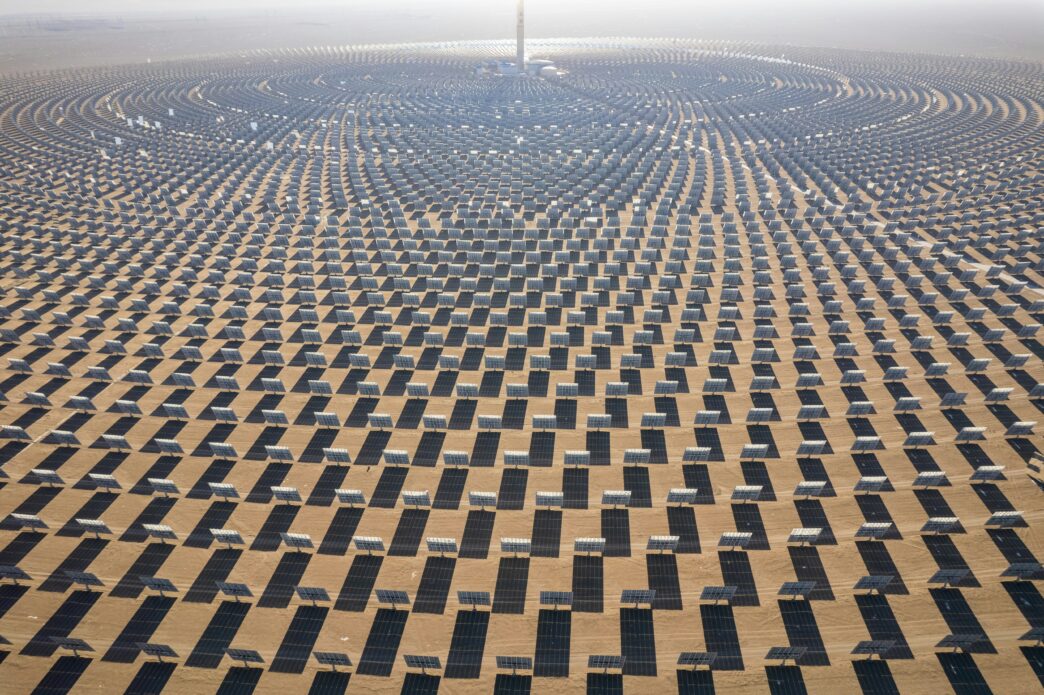
The Directorate-General for Energy (DG ENER) of the European Commission, in its article In Focus: Solar Energy – A Shining Star of Europe’s Clean Transition, presents solar energy as one of the EU’s most successful energy stories. Installed capacity is growing at record speed, costs are falling, and solar electricity now plays a visible role in reducing emissions and fossil fuel imports. At face value, this narrative suggests a decisive step toward energy security, strategic autonomy, and a clean transition.
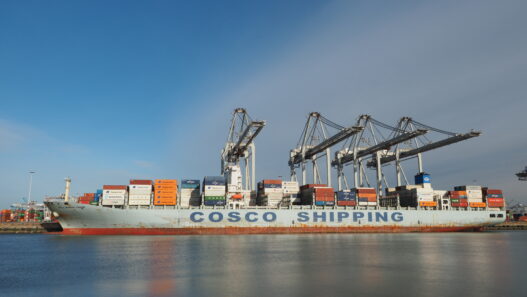
A closer examination, however, reveals a structural vulnerability beneath this success. The Commission’s analysis focuses almost exclusively on deployment—megawatts installed, electricity generated, and consumers shielded from volatile energy prices. Largely absent is any consideration of the origin of the technology enabling this expansion. Publicly available trade data and industry disclosures indicate that the overwhelming majority of photovoltaic modules deployed across the EU are manufactured outside Europe, with China dominating the global supply chain for solar cells, wafers, and modules.
This imbalance echoes a familiar European experience. Prior to 2022, EU energy policy frameworks acknowledged supplier concentration but largely assessed it through a market and price-stability lens, rather than as a geopolitical vulnerability.
The solar sector now exhibits similar characteristics: strong downstream deployment combined with upstream concentration. Solar energy has undeniably strengthened Europe’s short-term energy resilience by reducing fossil fuel demand. At the same time, it has introduced a new form of dependence—technological rather than extractive. Control over manufacturing capacity, pricing, and key inputs lies largely outside EU jurisdiction. In normal market conditions, this dependence appears benign. However, under scenarios involving trade disputes, export restrictions, or broader geopolitical escalation, it could constrain the pace and cost of Europe’s clean transition.
The Commission is aware of these risks. Parallel policy initiatives, including industrial plans and manufacturing targets, signal an intention to rebuild domestic capacity. Yet current production levels remain far below installation demand, suggesting a multi-year gap between strategic ambition and industrial reality. The optimistic framing of solar energy as a “shining star” should therefore be read both as a success narrative and as a political necessity. Confidence in the transition must be maintained while structural weaknesses are addressed incrementally. The risk lies not in solar energy itself, but in assuming that deployment alone equates to autonomy. Europe’s energy transition is moving rapidly away from Russian hydrocarbons. Without a corresponding industrial shift, it may be moving just as rapidly toward a different, less visible dependency—one rooted in global manufacturing power rather than pipelines.
Sources:
- https://energy.ec.europa.eu/focus-solar-energy-shining-star-europes-clean-transition-2026-01-15_en
- https://energy.ec.europa.eu/news/focus-eu-energy-security-and-gas-supplies-2024-02-15_en?
- https://www.europarl.europa.eu/topics/en/article/20230915STO05212/energy-security-solutions-to-today-s-challenges
- https://ec.europa.eu/eurostat/web/products-eurostat-news/w/ddn-20251009-2
- https://energy.ec.europa.eu/topics/renewable-energy/solar-energy_en?
- https://ec.europa.eu/eurostat/web/products-eurostat-news/w/ddn-20250929-3?