









When Human Rights Meet Realpolitik: The U.S.–Belarus Prisoner Deal
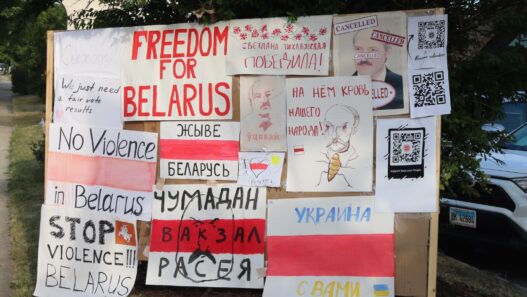
The authoritarian government of Belarus has released 123 political prisoners, including Nobel Peace Prize laureate Ales Bialiatski, activist Maria Kolesnikova, and former opposition presidential candidate Viktar Babaryka, following talks with the United States. The releases came after Washington agreed to lift sanctions on Belarusian potash, a key fertiliser export. The freed prisoners were transferred out of Belarus, with most taken to Ukraine and others to Lithuania.
Protest leader Maria Kolesnikova, a prominent figure in the 2020 demonstrations against President Alexander Lukashenko’s regime, called for the release of those still imprisoned:
“I’m thinking of those who are not yet free, and I’m very much looking forward to the moment when we can all embrace, when we can all see one another, and when we will all be free.”
Four years ago, Kolesnikova was sentenced to 11 years in prison after being convicted on charges including conspiracy to seize power.
The agreement was negotiated between Belarusian President Alexander Lukashenko and U.S. special envoy John Coale, acting under a mandate from President Donald Trump. U.S. officials described the move as a significant step toward improving U.S.–Belarus relations and said further engagement could lead to additional sanctions relief and the release of more prisoners.
Speaking to journalists in Minsk, Coale said:
“The United States is lifting sanctions on potash. I think this is an excellent step by the U.S. toward Belarus. We are lifting them now.”
Coale also said Washington hopes the move could help advance negotiations to end the war in Ukraine. He suggested that Lukashenko, given his long-standing relationship with Russian President Vladimir Putin, could advise him.
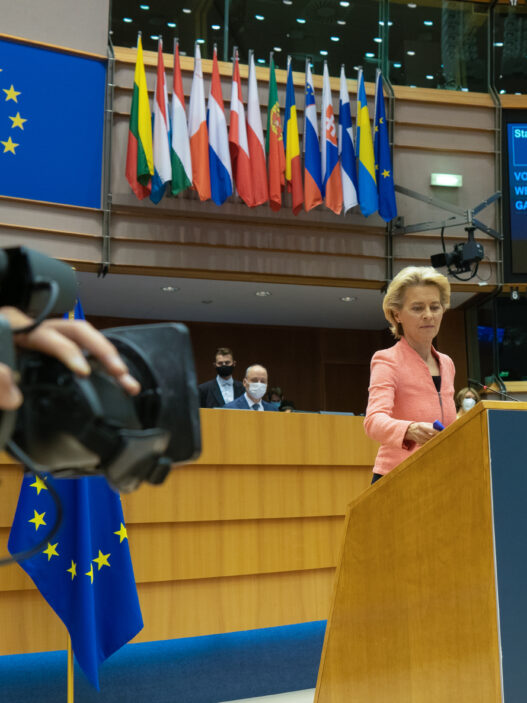
Despite the releases, human rights groups estimate that more than 1,000 political prisoners remain in Belarus. Coale said further releases, potentially in a large group, are likely in the coming months. European Commission President Ursula von der Leyen welcomed the move, noting that those freed included EU citizens, and said the EU would continue pressing for the release of all remaining prisoners jailed for speaking truth to power.
Conclusion by the author:
While the European Union can welcome the releases as a positive human rights development, for the Trump administration, the agreement represents a foreign policy success: a transactional deal aimed at improving engagement with Belarus and, indirectly, access to Russia via Minsk. From Lukashenko’s perspective, the releases may help stabilise the Belarusian economy and consolidate his rule by encouraging further easing of U.S.-and possibly EU-sanctions.
For the EU, however, the deal underscores its limited role in Washington’s current geopolitical approach to Russia. European allies were not directly involved in the negotiations, highlighting a broader pattern of U.S. unilateral diplomacy under the Trump administration.
Interested? Read more on Politico EU, Reuters and RadioFreeEurope.