






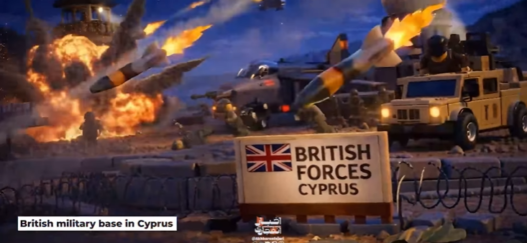
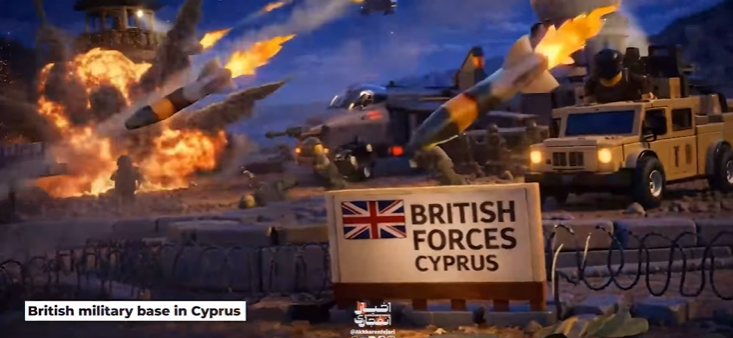
Far from the battlefields and theatres of operation, war and conflict these days play out on our phones. A recent pro-Iranian campaign of AI-generated videos in the style of Lego recast missiles, leaders, explosions and humiliation as something funny and instantly shareable. One widely circulated clip turned Lego versions of Donald Trump and Benjamin Netanyahu into caricatures within a battlefield narrative built around humiliation, revenge and political theatre
This format is absurd by design. It borrows the visual language of toys, the rhythm of meme culture and the speed of generative AI, then sends a serious conflict into feeds already trained to reward ridicule over context. The sight is grotesque.
The Iran Lego-style campaign is only the latest expression of a larger media habit. Geopolitical crises increasingly reach publics as platform entertainment. Pro-Iranian clips, Western war memes, deepfakes and synthetic battlefield content all belong to an information environment in which spectacle moves faster than explanation. The effect is attention displacement. Citizens see the joke, the humiliation, the artificial image or the partisan triumph. The material event itself fades behind the format.
Conflicts in the Middle East enter European life through energy markets, inflation, shipping risks, security debates and democratic trust. The Strait of Hormuz links regional escalation to global oil and LNG flows. When these pressures arrive first as comedy or an AI spectacle, public debate begins from a distorted emotional frame. The problem here sits in the structure of the platform age itself. War has become easier to consume and harder to understand. Serious events require serious public attention. As a small disclaimer, the issue looked at here is neither sympathy for Iran nor defence of its adversaries, but the manipulation of public attention when serious conflict is turned into entertainment. 
The Iran Campaign
The campaign has been reported as a pro-Iranian effort to shape the war narrative through AI-generated, English-language memes. Its most recognisable products are Lego-inspired videos that turn American and Israeli leaders, missile strikes and military humiliation into short, comic scenes made for social media circulation. The visual logic is that a toy-like world softens the edges of violence. A plastic figure can absorb an explosion, fall apart, reappear and remain funny. Real people behave differently; they die, flee, grieve, pay more, vote differently, lose trust, and live with the consequences.
The campaign tells us as much about the feed as it does about Iran. Its creators and the networks amplifying the videos understand that political content travels faster when it comes disguised as entertainment. Reporting on the group behind the Lego-themed videos shows how war messaging can borrow the language of internet culture, even while serving a strategic purpose. These clips work by turning ridicule into the opening frame. Viewers meet the adversary as a punchline, take pleasure in the humiliation and reach the conflict through comedy long before they reach its facts.
This reduction is appalling. A regional crisis involving missiles, civilian vulnerability, nuclear anxieties, energy exposure and diplomatic escalation becomes a toy scene. And this is not just a phenomenon in the Iran-US conflict. There is a wider war-information environment in which AI, memes and deepfakes thicken the fog around conflicts. This interaction between generative AI and propaganda is best described through the concept of slopaganda, a term that captures the cheapness, speed and volume of synthetic political content, while also highlighting that the moral problem runs deeper than volume. The format itself trains audiences to treat the serious as disposable.
The measurable influence of the Iran Lego-style videos remains uncertain. Even so, the campaign already reveals a political fact. In the platform age, influence can operate before belief. The pattern was visible even in professional foreign policy circles, where an AI caricature of an attack sometimes arrived before the factual background.
Beyond Fake News
Labelling these developments as just another form of disinformation would not capture the whole problem. Disinformation asks whether a claim is true or false, whether a video deceives, whether a viewer believes what appears on screen. While those questions matter here as well, they miss the more unsettling feature of the Iran Lego-style campaign. The clips can be artificial, absurd and instantly recognisable as performance, while still doing political work. Their force lies in what they make visible first.
That is why attention displacement is the better concept. Attention is a political resource. Whoever captures it early can shape the emotional order in which a crisis is understood. The first frame matters. Whether a missile strike is seen first as a joke, or a war encountered first through comic humiliation, both alter the route by which audiences reach the actual event.
The mechanics are familiar from research on media manipulation. Content travels when it gives platforms, journalists, and users something easy to interact with, something in which the form grabs attention before the substance has been weighed. Generative AI accelerates this pattern. A single clip might seem trivial, but publishing hundreds of them in no time can change the atmosphere in which a conflict is perceived. Research on synthetic political videos concluded that uncertainty and trust issues are central effects. It concluded that a viewer can doubt the image and still absorb the mood. The visual layer gives this type of content extra force. Work on multimodal disinformation shows how image, text, and emotional cues can work together in the same piece of content. Studies of online diffusion sharpen the warning about novelty and spread. Taken together, what appears in our feeds is propaganda, satire, spectacle and synthetic media at once. War becomes content before it becomes a matter for judgment, increasing the need for users to see through it and find the actual facts behind the message. In numerous discussions I had with fellow students and professionals, the share of users who actually go that far is sometimes rather small.
Why This Matters for Europe
The EU has changed its handling of war-information campaigns, previously thought to be something happening elsewhere, in American feeds, Middle Eastern messaging wars or platform subcultures. It now treats it as foreign information manipulation and thus as a security and foreign-policy concern. Its latest threat reporting describes an environment in which manipulative actors use AI-generated text, images, audio and video as scalable tools.
The Iran Lego-style campaign fits this pattern because it shows how foreign political messaging can enter European debates as entertainment first and strategic communication second.
This matters because public attention can condition public preparedness. A society that meets a crisis through jokes and synthetic images begins the debate from the wrong emotional place. It laughs before it asks what escalation means. It shares before it asks who benefits. It treats war as a cultural object before it treats war as a material event. That sequence should trouble Europe deeply, because European publics already face a dense mix of security anxieties, economic pressure and institutional distrust.
Europe’s response has a regulatory frame. The Digital Services Act requires very large online platforms and search engines to assess systemic risks and mitigate those linked to coordinated disinformation campaigns. That framework has become important as platforms increasingly resemble political infrastructures. They decide which images and clips accelerate and reach millions before responsible explanation catches up. Regulation can address part of that infrastructure, but the real challenge is civic. Europeans need the capacity to recognise when a crisis is being converted into spectacle before its consequences have been understood.
The European Centre for Democratic Resilience points toward the right methods. Democratic resilience depends on anticipation, detection, coordination and public awareness, all deployed so that Europeans keep reality visible. A missile strike, an energy shock, a shipping disruption or a diplomatic escalation should reach the public as a serious matter before it becomes raw material for jokes and partisan delight.
The Cost of Comedy
The cost of conflict is felt long before most Europeans can trace the backgrounds of the latest AI clip. The same crisis that becomes a few seconds of entertainment online can reshape energy markets, shipping routes and inflation expectations across Europe. This is where attention displacement becomes politically relevant. The public debate follows the most visible representations of the conflict, while the less visible consequences emerge through prices, supply chains and strategic choices. A missile launch may disappear from the feed within hours, yet its effects can remain in European economies and foreign-policy debates for months.
Energy is the clearest example. Europe has worked to reduce its exposure to external shocks, yet global oil and gas markets still connect regional escalation to European prices. The Strait of Hormuz remains one of the world’s most important routes for oil and liquefied natural gas. A serious disruption there, as we see, reaches far beyond the Gulf and was only somewhat manageable during the last months through a mixture of luck and perseverance. For citizens, the effects translate into higher petrol prices, heating costs, electricity bills and pressure on public budgets.
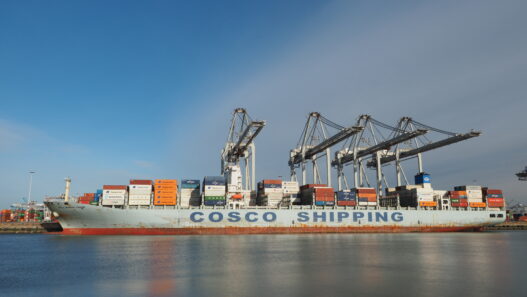
Effects on trade follow the same pattern. Regional instability can increase the cost of moving goods, delay shipments and make supply chains less predictable, which in turn increases food prices and costs to a multitude of businesses.
Security policy also suffers when a joke becomes the first frame. The conflict in Iran shaped European debates on sanctions, deterrence, diplomatic leverage, military readiness and relations with the United States. These questions require context and judgment, while viral war content offers winners, losers and humiliation. It turns foreign policy into a scoreboard.. It also gives outside actors an opening to present themselves as the clever narrators of the conflict while European publics suffer the consequences.
The democratic cost may last longest. Distorted information environments feed distrust in institutions and established sources of information. AI content can further increase uncertainty about what can be believed, even when viewers understand that a clip is artificial. That is the danger with content that looks too ridiculous to matter. It can still shape the mood around a crisis. It can make official warnings sound exaggerated, make journalism look like an afterthought, and make expert analysis seem unnecessary. Cynicism then becomes the easiest emotional response.
This is why the Iran Lego-style campaign should concern Europe beyond the question of geopolitical sympathy. A serious conflict becomes a consumable aesthetic, while its consequences affect the public more or less directly. I find that reduction morally evasive and politically dangerous. It lets the feed laugh first and understand later, while ordinary people absorb the pressure in forms that look nothing like a meme.
Satire, Propaganda and Democratic Attention
A balanced line, uninfluenced by artificial propaganda, starts with a simple point. Criticism of American or Israeli policy belongs in democratic debate. Anti-war anger belongs there too. Satire can expose arrogance, hypocrisy and cruelty in ways formal language often struggles to reach. A public sphere that allows sharp ridicule gives citizens a tool against power. The concern sits in the strategic packaging of crisis, where humour, synthetic imagery and platform speed push spectacle ahead of context and accountability.
Definitions are important in this context. The framework of information disorder helps distinguish mistakes, manipulation, harmful context, parody and propaganda. This distinction keeps media criticism focused on behaviour, technique and effect. The Iran Lego-style material sits in a murky zone within these definitions. It borrows from satire, operates as propaganda and circulates as entertainment, which is the source of its political force.
Influence also requires care. Research on fake-news sharing counsels restraint when visibility is treated as proof of persuasion. A clip with millions of views has reached many screens, but that fact alone says little about belief, attitude change or policy impact. However, such videos help shape the atmosphere in which audiences approach a conflict. They can make one side ridiculous, another heroic and consequence secondary.
This is the difficult line for democratic societies to navigate. Humour itself is not the problem. Political satire has long challenged authority and exposed uncomfortable truths. The concern begins when the aesthetics of comedy make suffering easier to consume and consequences easier to ignore. A missile strike or civilian death can become another viral object competing for attention in an endless stream of content.
The challenge is not to remove humour from political debate. It is to preserve the ability to recognise what lies behind the image, the meme and the performance. A joke can challenge power. It can also become a tool that hides the costs of power. Distinguishing between the two is becoming one of the main tasks of the digital age.