









Ukraine confirmed that its forces used seven domestically produced naval drones to strike two Russian vessels at the port of Benghazi in eastern Libya on November 22. President Volodymyr Zelenskyy said the operation sank the Russian corvette Merkury and struck the dry cargo vessel Angara, which Kyiv alleged was involved in transporting weapons. However, Libyan officials reported that the corvette was heavily damaged, not sunk. The operation, conducted approximately 2,400 kilometres from Ukraine, demonstrates Kyiv’s growing ability to target Russian military and logistical assets beyond the Black Sea.
The Russian cargo vessel Sparta II, which has suspected links to Russia’s military logistics network and is under US sanctions, was struck by a drone and caught fire in the Gulf of Finland on November 21. Finnish authorities said the vessel later drifted into Finnish territorial waters, prompting a rescue and firefighting operation. Ukrainian officials subsequently confirmed the attack. Finnish Prime Minister Petteri Orpo stated Ukraine had the right to defend itself, warning that the war was spilling into the country’s immediate vicinity. A suspected Russian helicopter airspace violation was also reported following the incident, raising further concerns about security in the Baltic region.
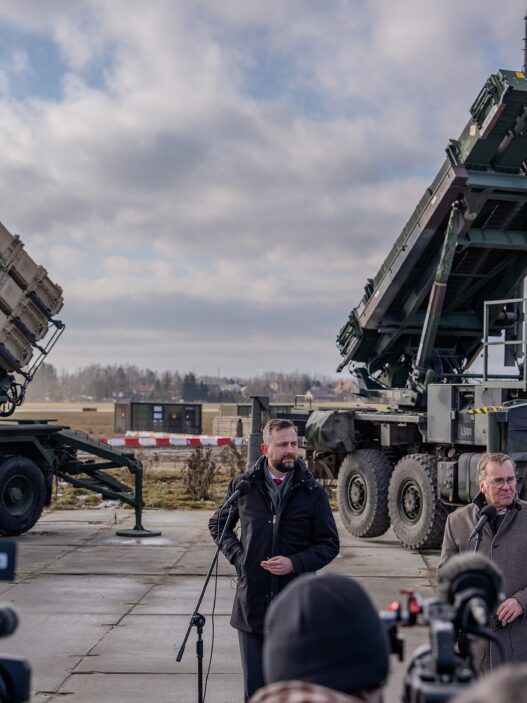
Russian attacks across 20 Ukrainian regions killed at least 15 people in the Kyiv region and Zaporizhzhia in the week leading up to November 22. Zelenskyy urged Washington to approve delivery of US-made Patriot interceptor missiles, saying Ukraine’s partners had already financed the systems through a NATO-coordinated procurement programme. He cited approximately 2,700 attack drones, 1,460 guided aerial bombs and 165 missiles launched by Russia over the preceding week, including ballistic missiles reportedly supplied by North Korea. The continuing attacks have increased pressure on Ukraine’s air-defence capabilities, particularly as winter approaches.
Russian Leader Vladimir Putin warned on November 24 that retaliation against Ukrainian attacks on Russian oil refineries was inevitable. He accused Kyiv of continuing strikes despite US President Donald Trump’s request to refrain from targeting energy infrastructure. Ukraine has maintained that it would stop attacking Russian energy facilities only if Moscow halted similar operations. Putin also called for additional security measures to protect energy facilities.
On November 26, Russian forces launched ballistic missiles at Kyiv, striking a shopping centre and other buildings and injuring at least seven people. Ukraine, meanwhile, reported strikes on Russian military and energy-related facilities, including an oil refinery in Krasnodar, oil infrastructure in Bashkortostan and the Marinovka military airfield in the Volgograd region. Separately, a Ukrainian drone attack in Russian-occupied Zaporizhzhia reportedly killed five people, according to Russian-installed authorities. Zelenskyy subsequently warned on November 27 that Russia was preparing another large-scale attack, urging residents to remain alert to missile warnings.
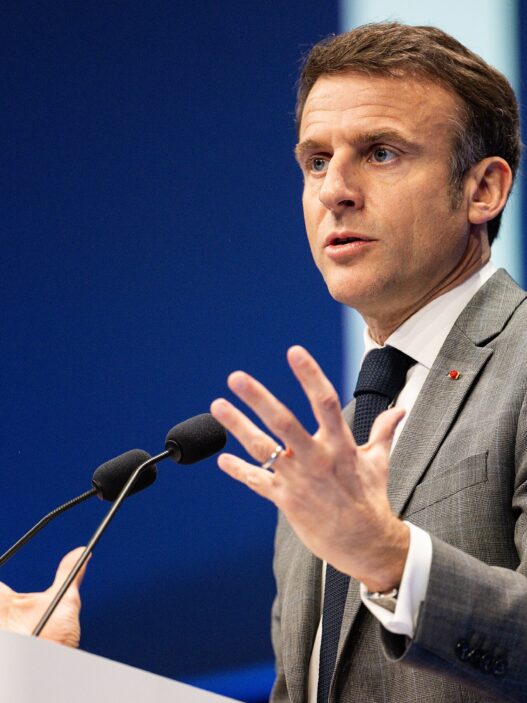
Following a meeting in Florida on November 25, Trump and NATO Secretary-General Mark Rutte issued a joint statement urging Russia to avoid actions that could intentionally or unintentionally expand the conflict. They also called for a rapid and peaceful resolution. The statement followed Trump’s recent meeting with Russian President Vladimir Putin and Chinese President Xi Jinping in Asia. Meanwhile, Trump said he had urged Putin to pull back from military aggression across Europe, although no concrete progress towards a settlement was announced. Zelenskyy continued to insist that European countries must be included in any negotiations concerning Ukraine.
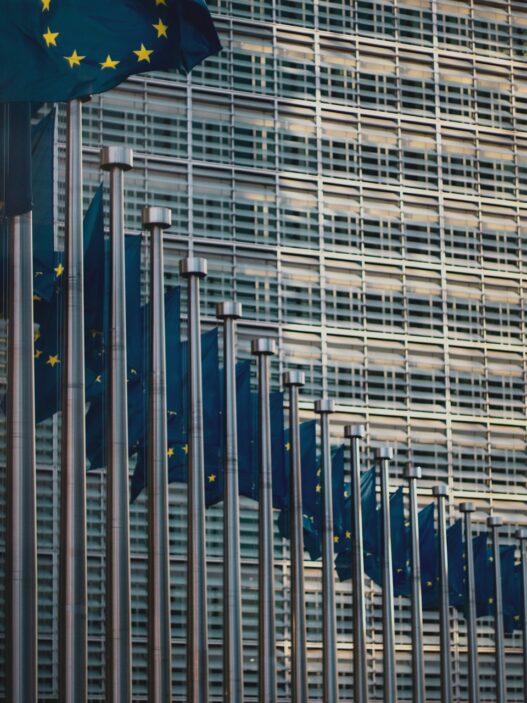
European Union leaders discussed a proposed €45 billion loan to support Ukraine’s economic and military requirements in 2027 during their November 26–27 summit in Brussels. Twenty-four member states supported the proposal, but a final political decision was deferred until the December European Council meeting. The proposed assistance is linked to discussions over the bloc’s 2028–2034 budget, which also includes substantial funding for Ukraine. The delay highlights continuing differences among member states over the long-term financing of Kyiv’s war effort and reconstruction requirements.
Sources:
- Ukraine urges US to release Patriot missiles – Al Jazeera
- Ukraine confirms it used naval drones to strike two Russian ships off Libya – New York Times
- Russian cargo ship ablaze in Baltic Sea after drone strike, crew evacuates – The Guardian
- Putin says Ukraine hits Russian oil plants despite Trump’s requests, promises retaliation – Al Jazeera
- Ukraine drone attack kills five in Russian-occupied Zaporizhzhia – Al Jazeera
- Trump and NATO chief urge Russia to avoid actions that widen Ukraine war – Reuters
- Zelenskyy warns of major Russian attack – Al Jazeera
- EU Member States support proposal of a €45 billion loan to Ukraine – Al Jazeera
- Russia says it downed 1,246 Ukrainian drones overnight – Reuters