










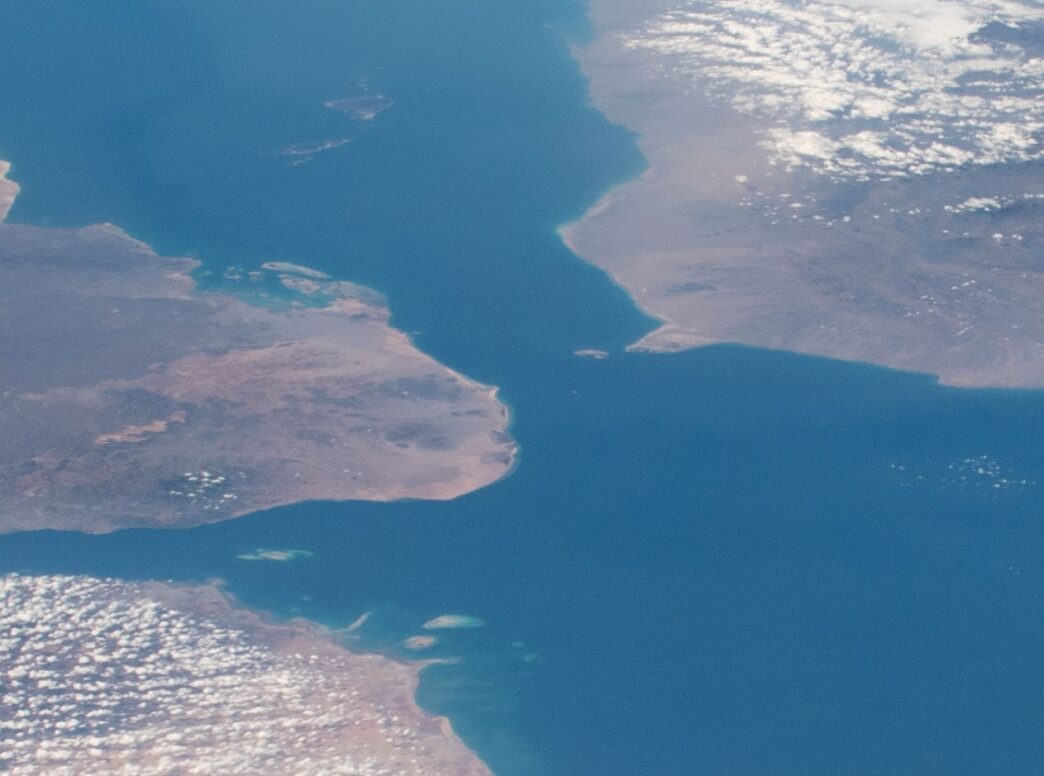
On Monday, Yemeni government forces, backed by the Saudi-led coalition, launched a major counteroffensive under Operation Dawn of Yemen, which had been announced the previous day. Government forces subsequently claimed to have seized several strategic positions near the Bab el-Mandeb Strait from the Houthis. The offensive follows major Houthi gains in September, when the group advanced across Yemen’s Red Sea coast, capturing the strategic town of Mocha and territory around the Bab el-Mandeb Strait, including the Hanish archipelago. Rashad al-Alimi, Chairman of Yemen’s Presidential Leadership Council, has said the operation aims to retake all remaining Houthi-controlled territory, including the capital, Sanaa, which the group has controlled since 2014.
The heaviest fighting has been concentrated in southwestern Yemen, particularly along the Red Sea coast and around Taiz. Yemeni government forces, alongside the Popular Resistance Forces, claim to have recaptured the al-Manzara, al-Ashari, and Dhiban mountains in Haifan, south of Taiz, as well as Mocha and Dhubab in Taiz governorate. These gains came during a rapid counteroffensive supported by heavy Saudi airstrikes.
Fighting has also spread to Hodeidah, a port city on the Red Sea coast that has been under Houthi control since 2014. Saudi-led coalition spokesperson Major General Turki al-Maliki said coalition naval forces had struck Houthi “military targets” in Hodeidah governorate, including weapons depots and facilities used to store explosive-laden boats and naval mines.
The Houthis maintain that they remain in control of their territorial gains, dismissing reports of government advances as “fabricated heroics.” The group has also intensified its attacks on Saudi Arabia, claiming to have targeted King Khalid International Airport in Riyadh, an Aramco refinery in Rabigh, Abha Airport, and the Khamis Mushait military base, along with other sites in southern Saudi Arabia, using missiles and drones. On Sunday, the Houthis also captured the town of Turbah, situated along the main road connecting Taiz with the port city of Aden, which serves as the interim seat of the Yemeni government. Turbah has served as a major defensive position for government forces protecting Taiz.
Fernando Carvajal, a former UN Security Council adviser on Yemen, emphasised that the battle for Mocha will be critical to the next phase of the conflict:
“This will be a vital sign for us if the Yemeni government forces, led by the Southern Giants and other southern forces, can hold this city. Because, at the moment, when you look at the battle plan, Mocha is surrounded by Houthis on all three sides, and you have the Red Sea. So, we need to wait just a little bit more to see if indeed the government forces can hold this city and then use it as a staging point to take on the Houthis on other fronts.”
According to the World Health Organisation (WHO), the conflict has killed at least 959 people and wounded more than 5,000 since August 6. Escalating Houthi attacks on Saudi Arabia also prompted a response from Riyadh’s regional allies. On October 5, Saudi Arabia, Türkiye, and Pakistan agreed to rapidly implement military support commitments under the Mecca Joint Defence Agreement. However, the initial announcement did not specify troop numbers or operational roles, and Türkiye later said its contribution would focus on defensive and technical assistance rather than troop deployments.
Impact on Europe
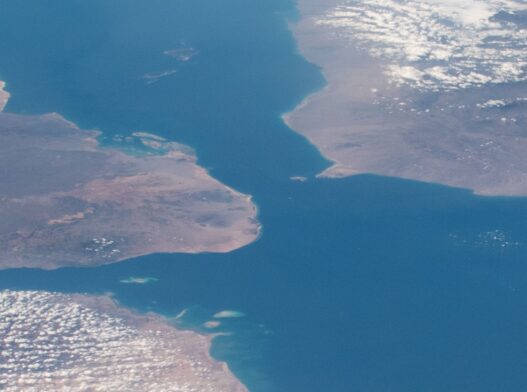
The Houthis’ territorial gains in September threatened to disrupt another major international trade chokepoint: the Bab el-Mandeb Strait. Although the Houthis ostensibly intended to blockade only Saudi Arabia, their ties with Iran and Saudi Arabia’s strategic importance as a US ally raised concerns that the blockade could escalate into a broader closure of the strait, similar to the situation in the Strait of Hormuz.
The recent reversal of Houthi gains could reduce this risk, depending on how the conflict develops. It could also alleviate European concerns over a potential closure of the Bab el-Mandeb Strait, which prompted Italy to deploy a frigate to protect its shipping and call for additional resources for the EU naval mission EUNAVFOR ASPIDES.
What to Look For
- Can Yemeni government forces consolidate and hold their territorial gains from Operation Dawn of Yemen?
- Can the counteroffensive maintain its momentum and capture additional Houthi-controlled territory?
- Do the Houthis retain the capability to threaten Saudi shipping in the Bab el-Mandeb Strait from their remaining positions?
Sources: