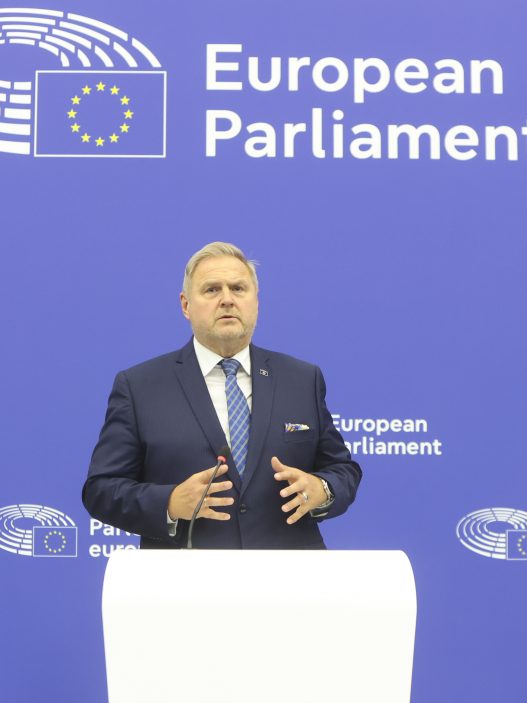







Armenia’s most recent parliamentary elections reaffirmed the ruling party’s mandate and, with it, the country’s European course. Brussels, of course, welcomed the result, and the EU Commission President Ursula von der Leyen praised “a democratic Armenia that is drawing ever closer to Europe.” Yet, many Armenians find themselves anxious as to how Moscow will respond to the country’s growing distance from Russia.
“Armenia can count on us,” von der Leyen concluded in a statement on her X account. The country could indeed count on Europe, particularly in establishing new trade ties following Russia’s “strategic” ban on several Armenian products ahead of the key elections. In the past couple of weeks, Russia, Armenia’s largest export market, has banned several products from entering the local market. From alcoholic beverages that stopped “meeting mandatory requirements” to berries and vegetables flagged with an “increased number of violations,” this echoes Russia’s repeated warnings to Armenia regarding the consequences of its warmer ties with the EU.
Moscow Responds to Armenia’s European Aspirations
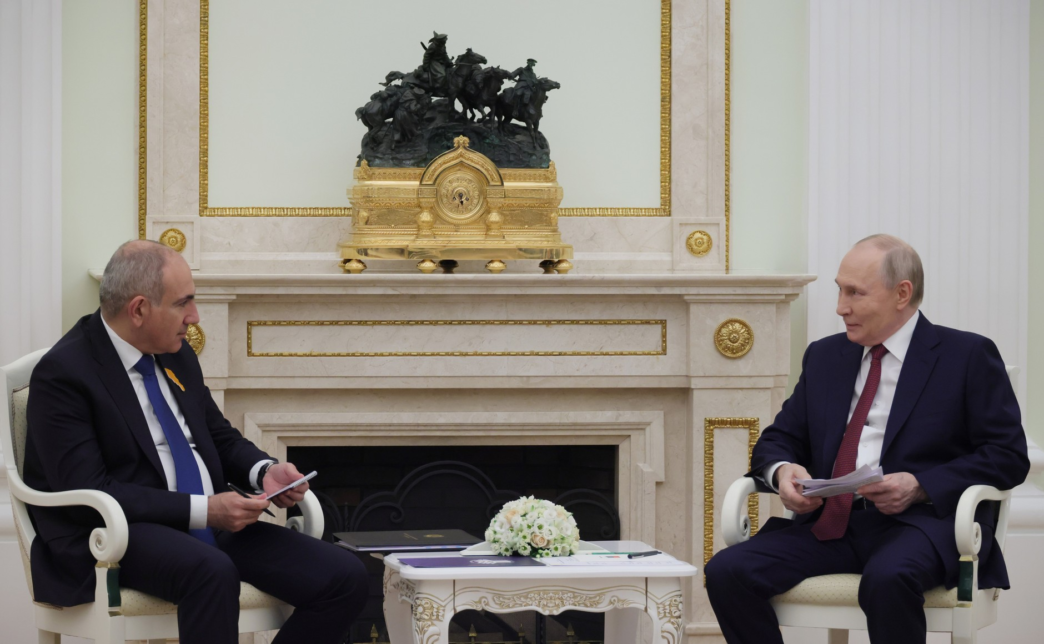
On June 10th, the Russian Foreign Minister Sergei Lavrov reminded Armenian authorities that the country cannot “sit on two chairs.” Accusing Western powers of interfering with Armenia’s elections, Lavrov highlighted that Armenia has to urgently decide whether it remains part of the post-Soviet military alliance, the Collective Security Treaty Organization (CSTO), and the Eurasian Economic Union (EEU) or moves ahead with the EU. He stressed that Russia respects the Armenian people’s right to decide through a referendum but wants clarity on Yerevan’s long-term direction, noting that such a choice would have major economic and regulatory consequences.
Tensions over Armenia’s European aspirations surfaced last year when the Armenian parliament approved a bill on European integration. Moscow responded by warning Yerevan that closer alignment with Europe could affect existing economic arrangements, including energy agreements. Armenian officials sought to reassure Russia, with the Foreign Ministry emphasizing that Moscow remains a reliable partner with which Armenia shares extensive ties.
Following the parliamentary elections, Prime Minister Nikol Pashinyan downplayed suggestions of a drift with Russia, stating that relations between the two countries are based on mutual respect and institutional cooperation. He told reporters that he did not see any real tension in ties between Yerevan and Moscow despite Armenia’s ongoing efforts to deepen relations with the European Union.
Does Europe Offer an Alternative?
European leaders welcomed the election results and reaffirmed their support for Armenia’s democratic strengthening. French President Emmanuel Macron expressed support for strengthening Armenia’s rapprochement with Europe. The EU Council shared a Statement by the High Representative reassuring the EU’s steadfast commitment to deepening the partnership with Armenia.
“We look forward to continuing our close cooperation with the future government and parliament of Armenia, to implement their comprehensive reform agenda, promote regional peace, economic growth and connectivity, with a view to strengthening Armenia’s sovereignty, resilience, democracy and prosperity.”
Labeling Russia’s sudden import barriers as “economic coercion,” Ursula von der Leyen announced the preparation of an EU support package for Armenia, including financial assistance worth over 50 million euro to ease trade for agricultural producers.
The EU Commission president also noted, that the EU has already organized practical support for affected sectors, such as flowers, including a shipment of 10,000 flowers to Latvia.
“We will also keep connecting our businesses, following up on the commitments taken at our recent Summit in Yerevan.” concluded von der Leyen.
While Armenian authorities face the challenge of finding alternative markets for local producers to mitigate the foreseeable impact of Russia’s export bans, European leaders welcome and praise the election results. This support will need to be reflected in sustainable trade alternatives, rather than primarily emergency responses such as the recent action plans.
Sources: European Council press release, European Commission press corner, OC Media, The Moscow Times, ArmenPress, Congratulatory Telegram,