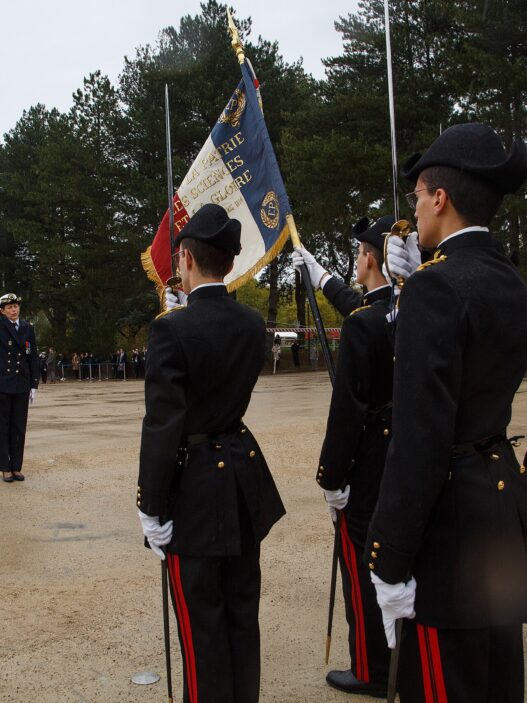









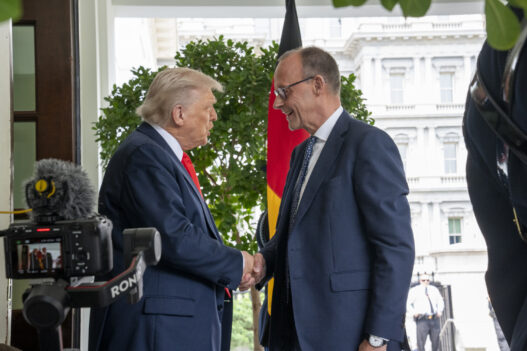
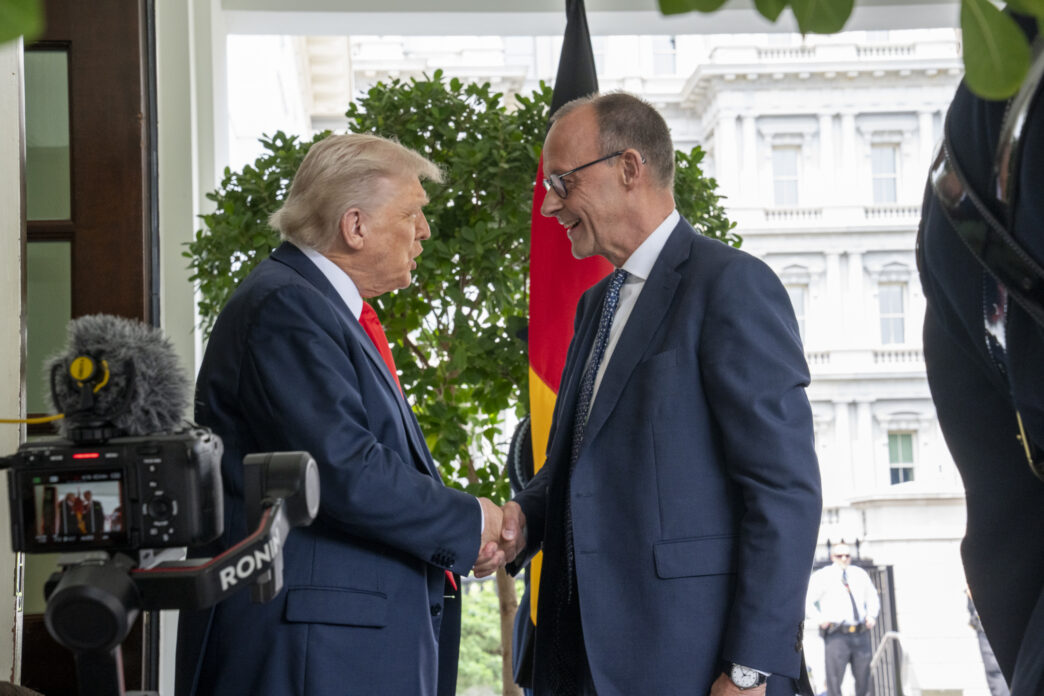
On May 1, the U.S. began its planned withdrawal of 5,000 troops from Germany, following an announcement made the previous Friday. President Donald Trump had threatened the drawdown earlier in the week after a confrontation with German leader Friedrich Merz, who stated on Monday that Iran was “humiliating” the U.S in negotiations to end the war and that he did not see Washington pursuing a viable exit strategy. The withdrawal is expected to be completed over the next 6–12 months.
Germany currently hosts approximately 35,000 active-duty U.S. military personnel, the largest U.S. troop presence in Europe, and this reduction would return overall U.S. force levels on the continent to roughly pre-2022 levels. Since the end of World War II, the U.S. has typically maintained between 80,000 and 100,000 troops across Europe as part of its broader deterrence posture toward Russia. When asked whether he would consider withdrawing troops from Italy and Spain, Trump responded, “Probably.”
The decision follows growing tensions between Washington and its European allies over the conflict in Iran. The U.S. has expressed frustration that European partners have not provided sufficient support for the war effort; Spain, for example, denied the use of its military bases and airspace for the conflict. Trump has also clashed with Italian Prime Minister Giorgia Meloni over both the Iran conflict and his criticism of the Pope. Although the current withdrawal is likely linked to these tensions, Trump has long favored reducing the U.S. military presence in Germany. During his first term, he proposed reducing troop levels by 12,000, a decision later reversed by President Biden.
Despite this longer-term policy preference, the timing of the withdrawal appears to have surprised German military officials, who cited constructive meetings with the Pentagon earlier the same day. Germany, for its part, has played a relatively active role in supporting U.S. operations related to the Iran conflict, including permitting the use of its bases, authorizing overflights, and operating a major military hospital in Landstuhl. Berlin has also recently committed to increasing defense spending, aligning with longstanding U.S. demands that European allies shoulder a greater share of the burden.
Tensions between the U.S. and Europe have continued to mount as European leaders resist deeper involvement in a conflict they view as lacking clear strategic value or a viable military end state. These tensions could escalate further, particularly given Trump’s confrontational approach. In response to Spain’s closure of its airspace to aircraft involved in the Iran conflict, Trump labeled Spain a “terrible ally” and threatened to cut off trade relations and impose a full embargo. This prompted the European Commission to come to Spain’s defense on the grounds that it would protect the EU’s trade interests.
According to Reuters reporting, an internal Pentagon email outlined potential punitive measures against NATO allies perceived as failing to support U.S. operations. These options reportedly included suspending Spain from NATO and reassessing the U.S. position on the United Kingdom’s claim to the Falkland Islands.
The troop withdrawal has also drawn sharp criticism from Democrats in Congress. Senator Jack Reed, the ranking member of the Senate Armed Services Committee, warned that the decision “suggests American commitments to our allies are dependent on the president’s mood” and urged the administration to halt what he described as a reckless action before it causes “irreversible consequences for our alliances and long-term national security.”
Sources