









The European Commission’s assessment of oil and gas supply security, released on 30 April 2026 amid ten weeks of Middle East turmoil, delivers a composed statement: no immediate shortages, gas storage is filling, and emergency stocks are ready. Brussels presents this as validation of its post 2022 diversification strategy and the green transition. Yet a closer reading, supported by Eurostat data, suggests that the EU’s confidence rests on reactive measures that do little to address a fundamental dependency.
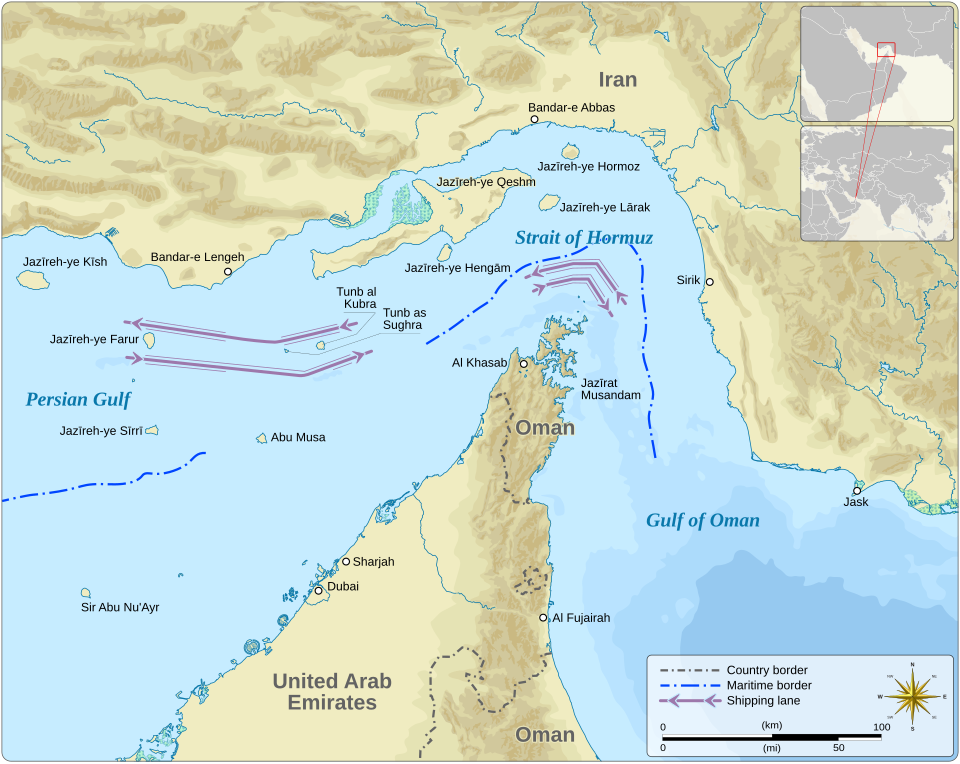
The numbers tell a sobering story. Crude oil and petroleum products still account for 38% of the EU’s energy mix, while overall import dependency remains at 57%. The post 2022 diversification effort has reshaped thegas supply picture significantly, Norway now covers 54% of pipeline gas imports, the US supplies 58% of LNG imports, and North Africa contributes a further 19% via pipeline. Russian gas imports have fallen from 45% in 2021 to around 6% via pipeline in 2025. Yet the structural shift has introduced new exposures. LNG’s share of total EU gas imports has risen from 20% in 2021 to 45% in 2025, meaning that nearly half of gas supply now depends on maritime routes and global spot markets. The most acute vulnerability, however, is aviation fuel. Europe consumes 1.6 million barrels of jet fuel per day, of which around 500,000 barrels are imported; historically, up to three quarters of that import volume has come from the Middle East, with the Strait of Hormuz accounting for approximately 40% of the region’s total jet fuel supply. This is not a latent risk, it is an active one. The vulnerability has changed in form, not in magnitude.
Faced with this reality, the EU’s emergency response relies heavily on existing instruments and incremental adjustments. According to POLITICO, the package encourages Member States to use existing legal frameworks, proposes covering up to 70% of wholesale power costs, and suggests measures such as targeted tax cuts or voluntary eco-driving campaigns. A significant portion remains either aspirational or incomplete, with key sections on jet fuel still to be developed.
There is also a dimension the Commission sidesteps entirely: price. Physical shortage and economic damage are not the same threshold, and the EU is already past the second one. Jet fuel costs have more than doubled relative to April 2024 levels, and the cascading costs across airlines, industries and consumers are accumulating regardless of whether storage levels hold. Adequacy of supply and affordability of energy are different problems. The current toolkit is better equipped to address the first than the second.
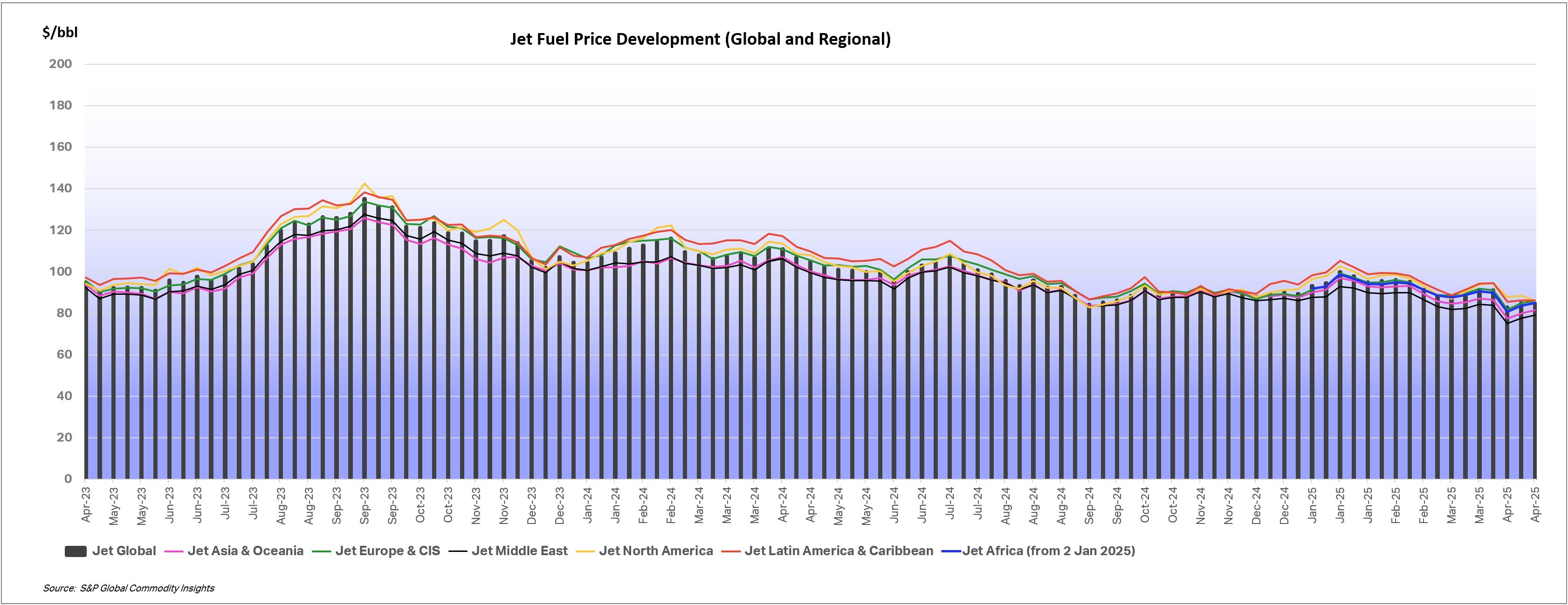
The Hormuz saga should prompt a more candid institutional assessment. That the EU is not at the forefront of geopolitical developments is hardly surprising; more concerning is its difficulty in acting, leaving it to absorb the consequences with a policy machinery calibrated for long-term reaction rather than anticipation.
Sources
- https://energy.ec.europa.eu/news/commission-assesses-eu-countries-security-oil-and-gas-supply-conflict-middle-east-continues-2026-04-30_en
- https://ec.europa.eu/commission/presscorner/detail/en/ip_26_629
- https://energy.ec.europa.eu/strategy/repowereu-phase-out-russian-energy-imports_en
- https://www.politico.eu/article/eu-bids-to-outmaneuver-iran-rollercoaster-with-emergency-energy-plan/
- https://www.consilium.europa.eu/en/infographics/where-does-the-eu-s-gas-come-from/
- https://www.reuters.com/business/energy/europes-jet-fuel-imports-middle-east-stop-raising-supply-crunch-fears-2026-04-28/
- https://ec.europa.eu/eurostat/statistics-explained/index.php?title=Final_energy_consumption_in_transport_-_detailed_statistics
- https://www.iata.org/en/publications/economics/fuel-monitor/
- https://www.argusmedia.com/en/commodities/jet-fuel