








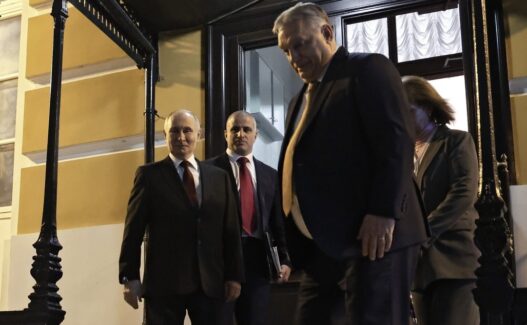
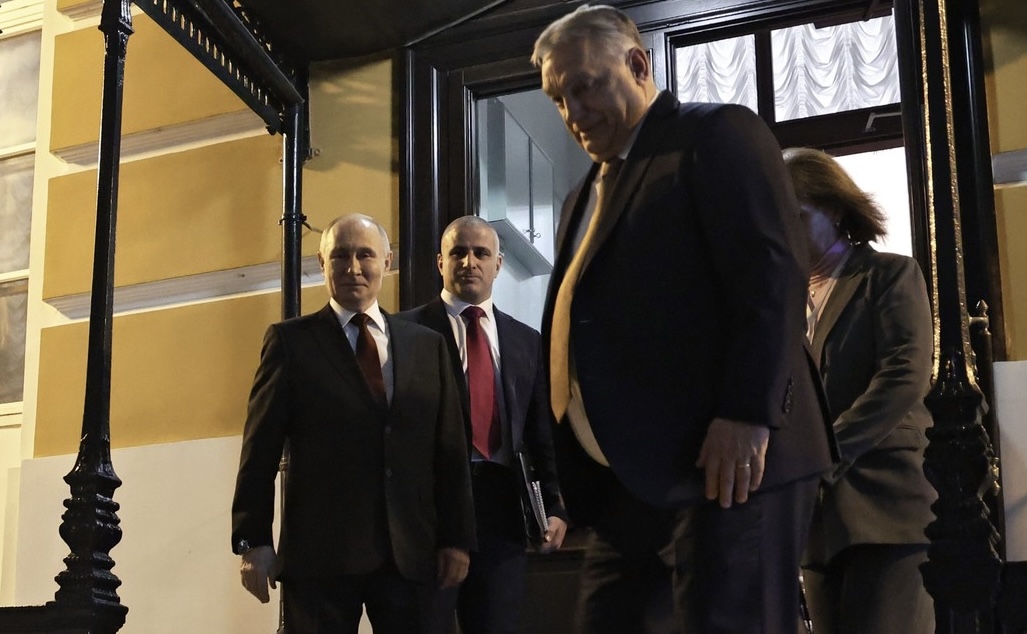
As Ukraine approaches a projected cash shortfall in April, the EU proposed €90 billion loan package has been blocked. Hungarian Prime Minister Viktor Orbán has blocked the measure, as unanimity is required for its adoption.
The Druzhba pipeline, which transports a significant share of oil to both Hungary and Slovakia (the only two EU member states that continue to import Russian oil), has been offline since early January. Ukraine attributes the disruption to a Russian drone strike on pipeline infrastructure. However, Orbán has accused Ukraine of deliberately sabotaging the pipeline in an effort to trigger an energy crisis in Hungary ahead of the April 12 elections and thereby benefit the opposition. He has pledged to block all EU measures supporting Ukraine until oil shipments resume. Orbán also warned that Hungary has additional leverage it could take advantage of, stating that 40% of Ukraine’s electricity supply transits through Hungary and could be affected. He further threatened on March 19 to veto the EU’s next seven-year budget if it includes financial aid for Ukraine. In an effort to resolve the dispute and secure passage of the loan, EU officials offered Ukraine technical support and funding to repair the pipeline, which Kyiv accepted.
EU leaders have expressed strong frustration with Orbán’s obstruction, accusing him of delaying urgently needed aid and undermining EU decision-making for domestic political gain. His government has relied heavily on anti-Ukraine messaging, portraying Ukrainian President Volodymyr Zelenskyy as a threat to Hungarian security. Orbán has also alleged that Zelenskyy, together with European Commission President Ursula von der Leyen, seeks to draw Hungary into the war with Russia, presenting himself as the sole guarantor of peace and stability. Recent polling suggests that Orbán’s party trails the opposition Tisza Party, led by Péter Magyar, by 39% to 48%.
According to diplomats, António Costa has urged both Hungary and Ukraine to moderate their rhetoric, while noting that Hungary’s conditions, such as guaranteeing the safety of transit, are unrealistic given ongoing Russian missile and drone attacks. As Costa stated, “This is not acting in good faith when you put a condition that neither the European Union nor the member states can ensure.”
Further complicating the situation, a report by The Washington Post alleged that Hungarian Foreign Minister Péter Szijjártó shared confidential information from EU Council meetings with Russian Foreign Minister Sergei Lavrov. According to the report, Szijjártó contacted Lavrov during breaks in EU meetings to brief him on discussions. An unnamed security source claimed that “every single EU meeting for years has basically had Moscow behind the table.” The Washington Post report also alleged that Russia’s Foreign Intelligence Service worked to stage a failed assassination attempt against Orbán under an operation codenamed “Gamechanger” to bolster his electoral prospects.
Despite these developments, Ukraine is preparing to resume peace talks with the United States. However, a combination of delayed EU financial assistance, rising energy prices, and the easing of U.S. sanctions may weaken Kyiv’s negotiating position. EU leaders have criticized U.S. President Donald Trump for lifting sanctions on Russian oil, arguing that the move indirectly supports Russia’s war effort. At the same time, the EU has struggled to adopt new sanctions as its 20th package remains stalled due to the Druzhba dispute, or to pass the €90 billion loan.
In response, Zelenskyy stated that “we in Ukraine hope that Europe will find a way out of the difficult, very difficult situation we all face now,” particularly regarding the destabilization of European support. He also noted that Washington has signaled a willingness to resume negotiations but questioned Russia’s mindset going into negotiations, emphasizing that “it depends on all of us together to make sure the Russians do not come to these talks feeling that their position has grown much stronger.” He added that rising global oil prices, largely driven by the US conflict in Iran, further complicate the situation.
One unintended consequence of the broader regional tensions has been increased demand for Ukraine’s expertise in countering drone warfare. Concerns over potential Iranian drone attacks have led multiple countries to seek Ukrainian assistance. More than 200 Ukrainian anti-drone specialists have reportedly been deployed to the Middle East, including to the United Arab Emirates, Qatar, and Saudi Arabia, with additional personnel prepared for deployment.
The outcome of Hungary’s upcoming elections will have significant implications for both Europe and Ukraine. The EU’s ability to provide financial assistance may depend on whether Orbán remains in power and whether the Druzhba pipeline dispute is resolved. The availability, or absence, of this aid will play a critical role in shaping Ukraine’s position in any future negotiations, particularly as U.S. strategic attention shifts toward the Middle East.
Sources