






A Wave of High-Level Visits
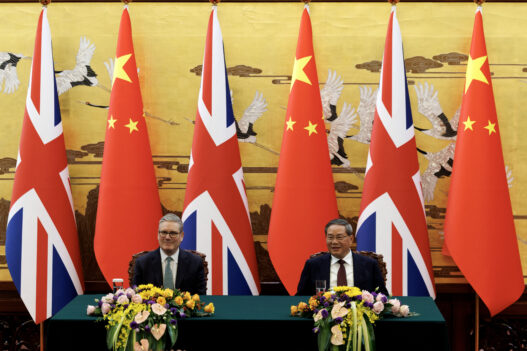
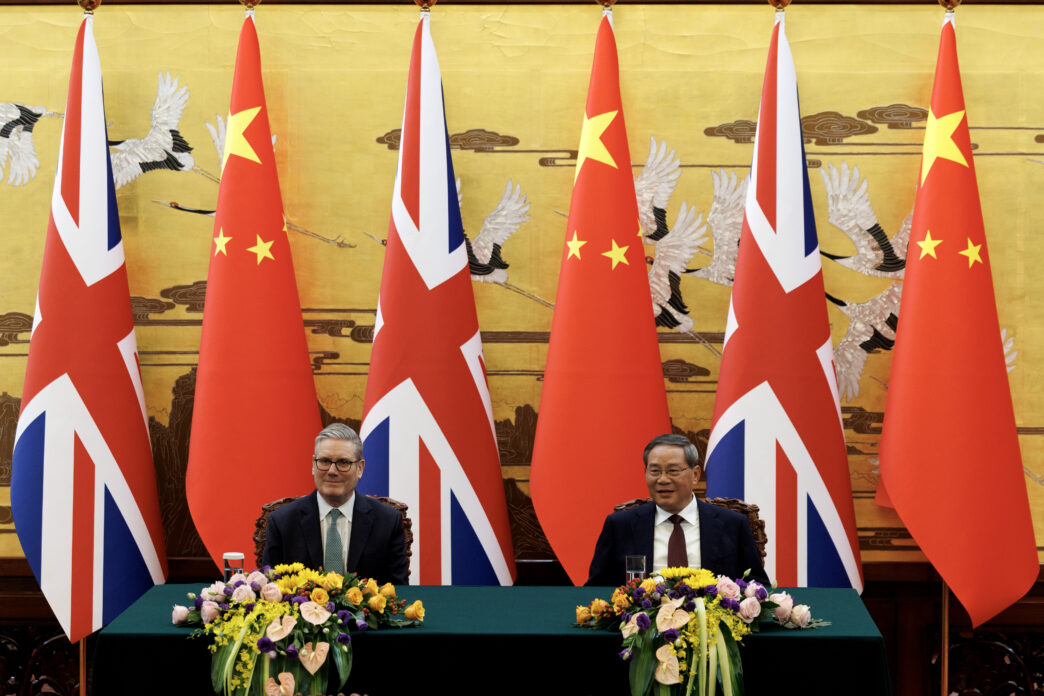
From London to Helsinki, a wave of European leaders has recently traveled to Beijing. At the end of January, UK’s Prime Minister Keir Starmer landed in Beijing with a large business delegation for a high-profile three-day visit, marking the first state visit of a British Prime Minister to Beijing since 2018. Starmer later stressed that the context of China-UK relations has been “blowing hot and cold, from Golden Age to Ice Age.” Finnish Prime Minister Orpo and the Irish Prime Minister Martin both visited Beijing in January, marking the first visits of both countries’ leaders in a decade. As for the leaders of the two biggest economies in continental Europe, France and Germany, French President Macron has already visited China (not to Beijing, which is a sign of closer partnership) last December, while according to multiple sources German Chancellor Merz is to visit Beijing later this month.
Davos and the Transatlantic Undercurrent
This wave of visits of European leaders to Beijing reflects the current context of stalled transatlantic relations, exemplified by open disagreements between the United States and its European allies in Davos last month. On the same occasion, von der Leyen, representing the European Commission, dedicated only a very short portion of her speech to address issues related to China, namely China’s overcapacity, but ended with a conciliatory tone stressing the need for dialogues and engagements for mutual interests, an expression that was not frequently used before.
Bilateral Deals and Brussels’ Trade Response
Engagements with China at different levels now carry both benefits and risks. On the bright side, China has been more open to striking deals with individual EU member states, as many of them have relatively more coherent demands and preferences for China to address in these negotiations. Therefore, when EU states engage with China individually, usually meaningful agreements are more likely to be reached at a faster pace, which is conducive to maintaining a certain level of predictability for both sides.
However, the downside of this multi-level approach is incorporated into the time lag between the European level coordination of policies and that at the member states’ level, which could harm the EU’s image as being a relatively more predictable actor. Decisions on the European level are usually slower, and when those decisions do surface, sometimes they contradicts member states’ external actions that have already been made. For example, a week after the aforementioned leaders’ visit to Beijing, the European Commission announced increases in tariffs on three Chinese products within three days. The European investigations into those products could be dated back to 2024, when the geopolitical landscape was rather different.
Implications for Europe’s Source of Power
Overall, the caveat here is that a more united Europe with stronger coordination mechanisms will have great potential for better aligning the interests of the member states to represent the overall European interest as well as for obtaining more bargaining power in its engagement with actors like China, if such decisions are not urgent.
However, the current situation that Europe is facing does require urgent action and constant microsteering of European-level policies. The strength of bureaucratic procedures of the EU resides in its preservation of procedural justice and the rule of law, which makes the EU a predictable and reliable actor in international affairs. However, strict preservation of procedural justice and the rule of law does not yield predictability and reliability automatically. When shifts in geopolitics are happening fast, actions signaling predictability and responsibility today could turn into signals for unpredictability tomorrow. The key, therefore, for the European decision-makers now is to have a discussion on how to strike a better balance between the pace of policy delineation and the values the EU stands for to present Europe better as a credible and predictable actor in international engagements, which is also a crucial element of Europe’s quest for strategic autonomy.
Sources: DW; Gov.UK; Finnish Government; Government of Ireland; Élysée; RFI; NPR; World Economic Forum; European Commission.