











EU weighs first activation of Anti-Coercion Instrument amid Trump tariff threats
The European Union is considering, for the first time, activating its Anti-Coercion Instrument (ACI) after new tariff threats by US President Donald Trump.
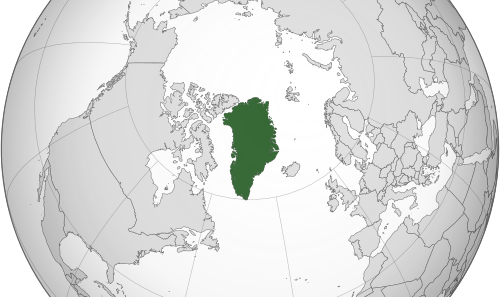
On 17 January 2026, Trump announced on Truth Social that eight European countries – including France, Germany, and the Netherlands – would face US import duties rising from 10% in February to 25% by June unless “a full sale of Greenland” to the United States was agreed. The statement triggered strong reactions in Brussels. European Council President António Costa and Commission President Ursula von der Leyen condemned the threat and pledged a coordinated defence of Europe’s sovereignty. Von der Leyen warned that if the 10% tariffs enter into force on 1 February, the EU response would be “unflinching, united and proportionate,” signalling readiness to use all available instruments.
Brief context
The Anti-Coercion Instrument was created after China imposed trade restrictions on Lithuania in 2021, following Vilnius’ decision to open a Taiwanese office using the name “Taiwan”. At the time, the EU lacked tools to respond collectively, exposing its vulnerability to economic pressure.
Negotiated under the von der Leyen Commission and adopted in December 2022 (Regulation (EU) 2023/2675), the ACI allows the Commission to investigate economic coercion, seek negotiations with the third country, and, if needed, propose countermeasures such as tariffs, investment restrictions, or limits on EU public procurement.
France is currently leading calls to use the instrument, supported by Germany’s Vice-Chancellor Lars Klingbeil. German MEP Bernd Lange, chair of the European Parliament’s trade committee, has also urged the Commission to trigger the ACI. However, several Member States – including Italy, Poland, and other Eastern partners – urge caution, warning that escalation could harm transatlantic cooperation, especially on security and support for Ukraine.
Activation requires Council approval by qualified majority voting – 55% of Member States representing at least 65% of the EU population. If approved, the Commission would first open a mediation phase with Washington before proposing any retaliatory measures.
Analysis
The debate reflects tensions between EU economic sovereignty and strategic dependence on the US. While conceived as a deterrent, the ACI’s non-use has raised questions about its credibility. France’s push signals a broader desire for a more assertive and autonomous EU trade policy, in line with the Commission’s “strategic sovereignty” rhetoric. Hesitation among Atlantic-oriented governments shows persistent divisions on how far economic tools should be used for geopolitical purposes.
EU leaders will discuss Greenland and broader US relations at a special European Council meeting this Thursday. In parallel, the European Parliament has moved to freeze ratification or further work on the EU–US trade deal, signalling growing parliamentary readiness to use trade policy – alongside the ACI – to respond if Washington implements the tariffs.
Sources
European Commission , European Parliament, European Commission (Protecting against coercion), CNN, Reuters, Chatham House, Politico, Le Monde