











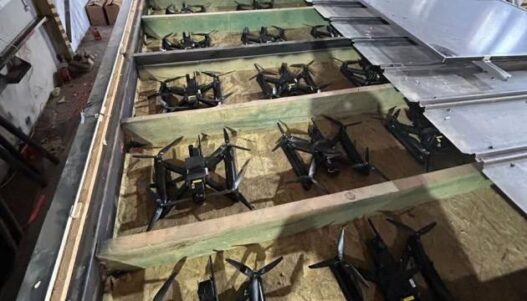
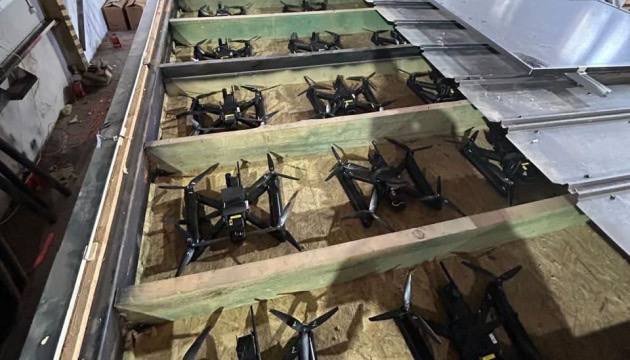
The use of drones in conflicts around the world has risen sharply in recent years. Armed actors of all kinds, from nation-states to non-state groups, now employ a wide variety of drones for numerous battlefield purposes. Drones are used for tasks ranging from basic logistics and transportation to communication relays, expendable strike missions, and intelligence, surveillance, and reconnaissance (ISR) missions. They have fundamentally altered battlefield dynamics in both asymmetric conflicts in the Middle East and more conventional warfare in Ukraine.
Analysis of the Russia–Ukraine war indicates that drones have caused more casualties than any other weapon system on the battlefield. This impact explains why Ukraine has set a target of producing up to four million drones annually to meet its military requirements, reflecting the central role drones now play in the country’s defense strategy. Drones have enhanced Ukraine’s offensive capabilities, demonstrated by successful strikes inside Russia and the sinking of several Russian Black Sea Fleet vessels, while also serving defensive functions by compensating for artillery and ammunition shortages. More than 100 types of drones are currently in use in the Russia-Ukraine war, ranging from modified commercial platforms to larger military-grade systems.
A key factor behind the effectiveness of drones is the widespread deployment of advanced air defense systems, which have significantly deterred the use of expensive manned aircraft. Russia, despite its superior conventional air force, has been unable to fully exploit its air power advantage due to advanced Western-supplied air defense systems provided to Ukraine. While drones have clearly transformed battlefield tactics, their broader strategic impact remains uncertain. Although the United States employed drones to considerable tactical effect during the War on Terror, they were insufficient to neutralize long-term threats to U.S. interests in the Middle East and Afghanistan and did not decisively alter conflict outcomes. Similarly, despite their widespread use, drones have not yet proven capable of significantly shifting front lines in the Russia–Ukraine war. Nevertheless, their ability to combine ISR and strike capabilities at relatively low cost has made drones indispensable in contemporary conflict.
Europe has also experienced a marked increase in Russian hybrid activities targeting EU and NATO member states, including fighter jet incursions and drone flights over European airspace. At least ten European countries have reported detecting drones near airports and military installations, with several attributing these incursions to Russia. In response to evolving security challenges and ongoing analysis of the Russia-Ukraine war, the EU has begun investing more heavily in developing a self-sufficient drone industry and counter-drone capabilities, as highlighted in a recent European Parliament report. Much of this effort has been pursued through the European Defence Fund (EDF) and Permanent Structured Cooperation (PESCO).
In October of last year, the European Commission and the High Representative presented the European Defence Readiness Roadmap 2030, which includes plans to develop interoperable systems for deploying and countering drones, with initial capabilities expected by early 2026. However, European leaders did not fully endorse the Commission’s flagship proposals at the December 2025 European Council meeting, instead opting to review ongoing Member State capability coalitions, priority areas, and concrete projects scheduled for rollout in the first half of 2026.
European investment in drones is not entirely new. The Eurodrone collaborative project, launched in 2015, has recently received renewed attention, including an additional €200 million invested between 2021 and 2024. The project aims to deliver a fully European medium-altitude, long-endurance (MALE) drone system for ISR missions, with its first flight scheduled for January 2027. The European Defence Fund currently allocates between 4 and 8 percent of its budget to emerging and disruptive technologies (EDTs), including drones.
Despite these initiatives, no EU military currently possesses a large or diversified drone arsenal. While some Member States operate limited numbers of larger drones similar to those used by the United States during the War on Terror, no EU country has amassed sufficient stocks of expendable drones to sustain high-intensity combat on the scale seen in Ukraine. As the EU continues to strengthen its military posture, significantly greater investment in drone capabilities will be required to close the gap with other major powers.
Sources:
Atlantic Council, European Commission, European Parliament, European Parliament.