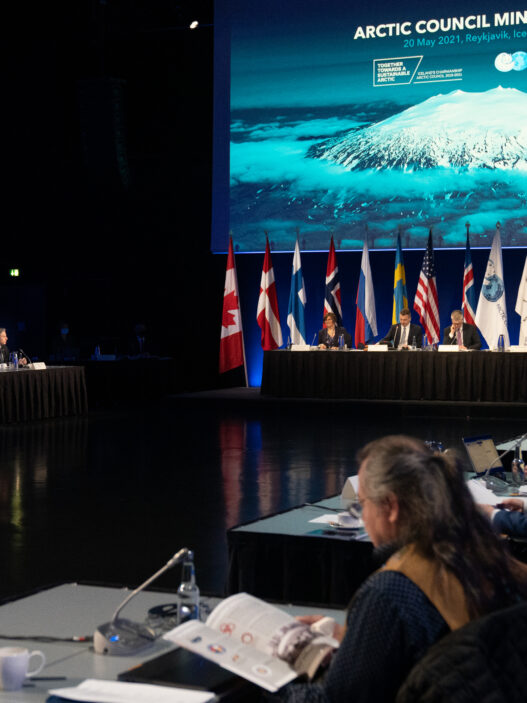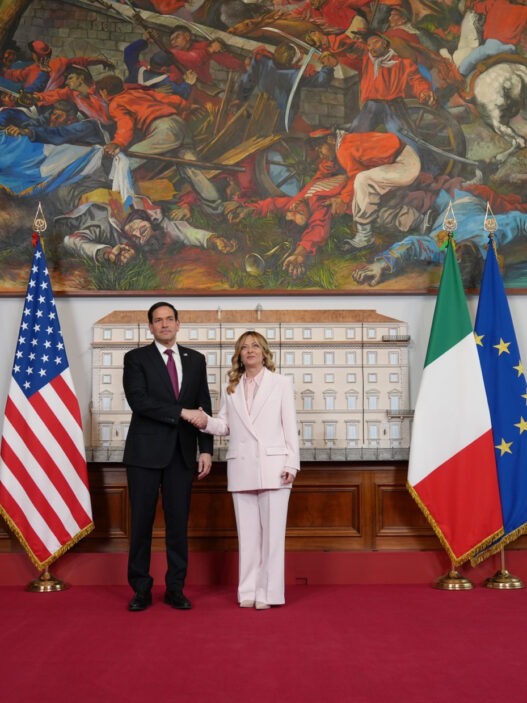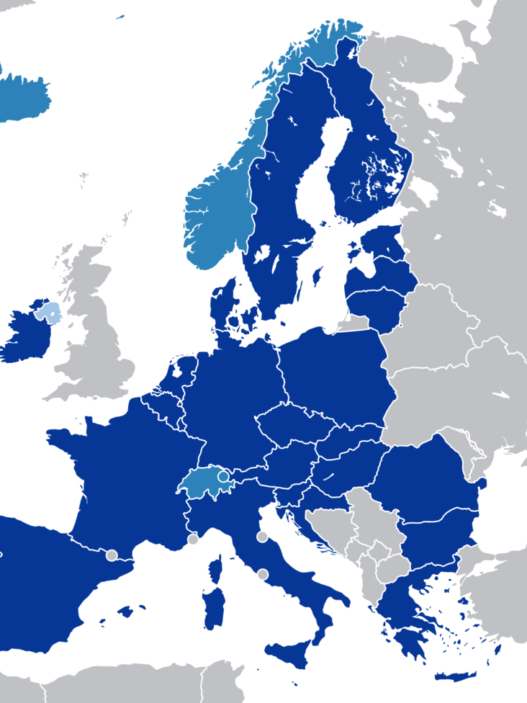



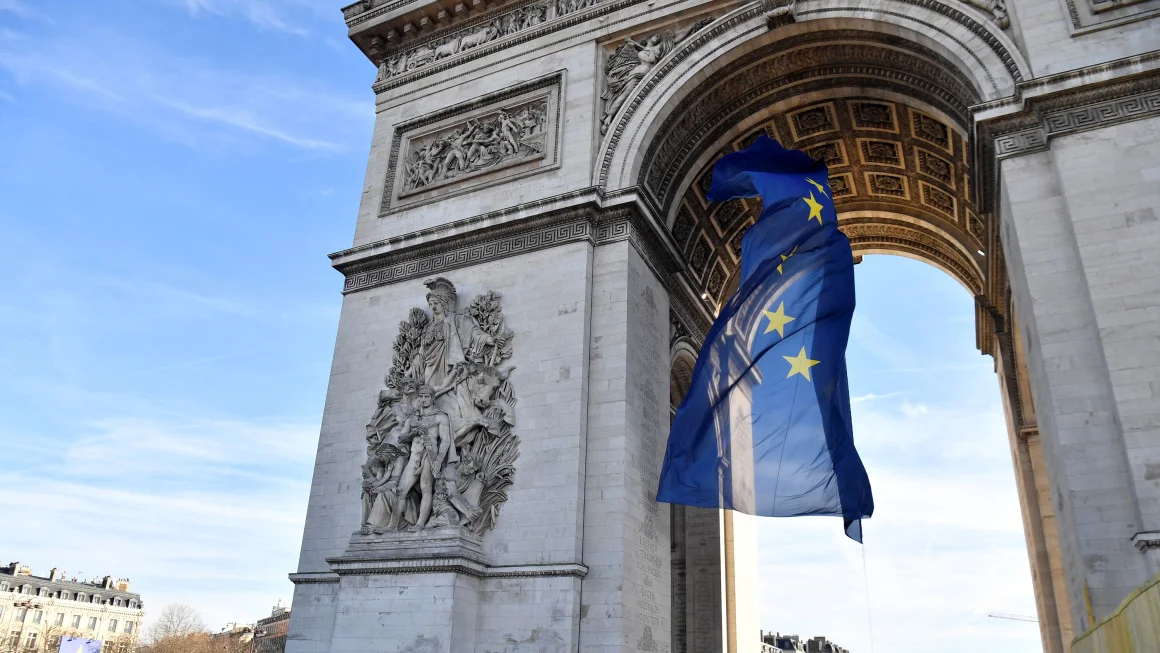




In 2011, the failure of US-Russian negotiations to resolve the Syrian conflict revealed the limits of diplomacy in a world where regional rivalries often overshadow global agreements. This case reflects a broader shift, as the unipolar Western-led world order gives way to fluid alliances and rising non-state actors. Diplomacy, defined as the management of relations between groups through accredited representatives, remains essential for preventing conflict and fostering cooperation. This explainer examines the evolution and contemporary challenges of diplomacy in a multipolar world. It traces diplomacy’s historical roots, and explores how shifting power dynamics reshape diplomatic practices. Drawing on well-known diplomatic theories and real-world cases, this article highlights the structural and political complexities diplomats face, including weaker international institutions and digital influences. By addressing historical development, political context, and structural characteristics, this explainer clarifies how diplomacy adapts to uncertainty, offering insights into its critical role in fostering cooperation and preventing conflict in an evolving global order.
Historical Development of Diplomacy
Diplomacy’s roots lie in humanity’s earliest inter-group interactions. Anthropological studies reveal “simple diplomacy”, where groups appointed ambassadors to negotiate and avoid war. These practices evolved into formalized state-to-state diplomacy, with accredited representatives managing relations to prevent misunderstandings that could escalate into conflict. Historically, diplomacy focused on war and peace, but its scope has broadened to include economic, cultural, and environmental issues. The Post-Cold War era saw Western-dominated international organisations shape global norms, reflecting a unipolar world order. However, the rise of new major powers like China and India, and the re-emergence of middle powers including Turkey, Brazil, and Saudi Arabia, have challenged this framework. The emerging multipolar world required diplomacy to adapt to new actors, priorities, and realities. This historical shift underscores diplomacy’s enduring role in managing relations amid changing power dynamics.
Political Context: The Multipolar World
The global order is transitioning from a unipolar, Western-led system to a multipolar one. In this new world order, power is distributed more among bigger and middle powers than before. Furthermore, non-state actors play an increasingly important role on the global stage. This new world is sometimes referred to as an ‘à la carte’ world, where countries pursue multi-aligned strategies, selectively engaging with organisations, causes, or issues that advance their interests. It means the ‘they-us’-narrative from the Cold War is being replaced by a system where countries can agree on one topic and disagree on another. An example of this phenomenon is India, which holds strong ties to both the EU (A soon-to-be-agreed Free Trade Agreement) and Russia (oil imports). With the EU and Russia remaining in conflict, the old global system would have forced India into one of the two camps. Yet today, India manages to maintain its relationships, as it needs both actors – and both, in turn, need India. While the EU disagrees with India’s trade with Russia for oil, it cannot afford to lose them as an ally and trade partners, and thus chooses to keep its ties. Similarly, India has condemned Russia’s war in Ukraine on the global stage, but still continues to import Russian oil. Even Russia, while in conflict with the EU, is not enough to deter India from trading with the EU. Ultimately, showcasing how contemporary global politics permits states to navigate competing interests, maintain strategic and economic partnerships across conflicting powers.
Building on India’s case, its rise in power over the past decades, combined with its resistance to domination by either the U.S. or China, complicates traditional alliances and demonstrates that no single country can fully impose its will on other major powers today. Scholars in realist theory predict that we are heading to a competitive world driven by national interests, as seen, for example, in proxy wars. At the same time, liberal institutionalists foresee a world that will continue to be dominated by (strengthened) global institutions, citing the success of transatlantic trade networks. Diplomats must navigate these competing visions, balancing national interests with global cooperation in an increasingly volatile geopolitical landscape. 
Structural Characteristics of Diplomacy
Diplomacy is not only shaped by the characteristics of global politics, but also by the structural characteristics of the practice itself, as explained in Putnam’s two-level games framework. He explains that negotiators operate at 2 levels: international bargaining (Level I) and domestic ratification (Level II). What he called “win-set” – the range of agreements acceptable to domestic constituents – shapes negotiation outcomes. For example, during the G7 Forum Bonn negotiations in 1978, American negotiators struggled to align domestic economic priorities with international demands, leading to difficult negotiations internationally, while being criticized domestically.
Another structural characteristic of modern diplomacy is the growing role of non-state actors. NGOs and transnational civil societies play a growing role, aligning with liberal institutionalist views of global cooperation. At the same time, we see international organizations facing declining influence, with regional powers and networks gaining influence. For example, in Syria, it was seen that UN efforts were overshadowed by regional powers, such as Turkey, Iran, and Saudi Arabia.
Contemporary Challenges and Opportunities
Today, diplomacy faces challenges due to weaker inter-group bonds, which increases the risk of misunderstandings. Diplomats must ensure security, accurate representation, and mutual understanding, while at the same time navigating complex negotiations. The multipolar world offers opportunities for pragmatic cooperation. However, diplomacy today is restrained by new developments. Digital technologies introduce a wide range of risks, including cyberattacks, deepfakes, online disinformation campaigns that complicates communication, and autocratic use of surveillance to control narratives. At the same time, the decline of norms including the Responsibility to Protect (R2P) and the erosion of institutions like the International Criminal reflects this ambiguity. It requires diplomats to adapt to these new fluid dynamics.
Case Study: the Diplomatic Dilemma in Afghanistan
Afghanistan illustrates the complexities of modern diplomacy. After the 2021 US withdrawal, the Taliban’s regime faced a humanitarian crisis. The central problem was that the regime was not recognized by many Western states and targeted by sanctions and aid cuts. Neighbouring countries like Iran and Uzbekistan offered trade support, but Western sanctions limited progress. The West’s insistence on human rights reforms clashed with the need for immediate aid and regional security, as the Taliban, at the same time, struggled in their fight against ISIS-aligned groups. This case highlights a 2-level game: Western diplomats face domestic pressure to uphold values, yet international stability demands engagement. To navigate this dilemma, diplomats can opt for a pragmatic approach and cooperate on issues like water management and economic recovery, avoiding full normalization while addressing the immediate needs of the Afghan people. This balance reflects diplomacy’s challenge in reconciling ideological and practical imperatives.
Future Outlook
The future of diplomacy depends on its ability to adapt to multipolarity. Realist scenarios predict increased competition, where states will prioritize national interests. Liberal institutionalists hope for revitalized global institutions, but their Western-centric origins limit appeal. Pragmatic cooperation, through ad hoc coalitions, offers a middle path. Also, diplomats must leverage digital tools to enhance communication, while mitigating the risks tied to these tools and countering misinformation. The UN, though weakened, can facilitate practical solutions by bridging regional and global interests. The success seen with Diplomacy depends on balancing normative goals with pragmatic needs, ensuring stability in an uncertain world.
Conclusion
Diplomacy has evolved from simple inter-group negotiations to a complex practice navigating state and non-state interactions in a multipolar world. Historical shifts, from unipolar dominance to fluid alliances, underscore its adaptability. Diplomacy faces structural challenges, like the 2-level game and the changing nature of the international system. Diplomacy has to find a balance between ideals and pragmatism. As international organizations decline in influence and digital technologies reshape communication, diplomats must foster cooperation amid uncertainty. By addressing both the diplomacy of relations and problems, diplomacy remains a vital tool for preventing conflict and building a cooperative global order, even in a world where alliances become increasingly ‘à la carte’.
References
Crocker, C. A., Hampson, F. O., & Aall, P. (2021). Grasping global problems by root or by branch. In C. A. Crocker et al. (Eds.), Diplomacy and the future of world order (pp. 1–20). Georgetown University Press.
Guéhenno, J.-M. (2021). International organizations—Down but not out. In C. A. Crocker et al. (Eds.), Diplomacy and the future of world order (pp. 21–35). Georgetown University Press.
Putnam, R. D. (1988). Diplomacy and domestic politics: The logic of two-level games. International Organization, 42(3), 427–460.
Russell, B. (2023). The a la carte world: Our new geopolitical order. Foreign Affairs.
Russell, B. (2024). How autocracies endure—and end. Foreign Affairs.
Sharp, P. (2019). Diplomacy in the 21st century: A brief introduction. Routledge.
Smith, G., & Bahiss, I. (2023). The world has no choice but to work with the Taliban. Foreign Affairs.
Smith, G. (2024). Afghanistan three years after the Taliban takeover. Foreign Affairs.