








Spain votes first: Pedro Sánchez’s Socialists face a challenge from the conservative People’s Party, which could need support from far-right Vox to govern.
Three elections to watch: Marine Le Pen leads presidential polling in France. In Poland, nationalist parties challenge Donald Tusk’s coalition, while Giorgia Meloni seeks a second term in Italy.
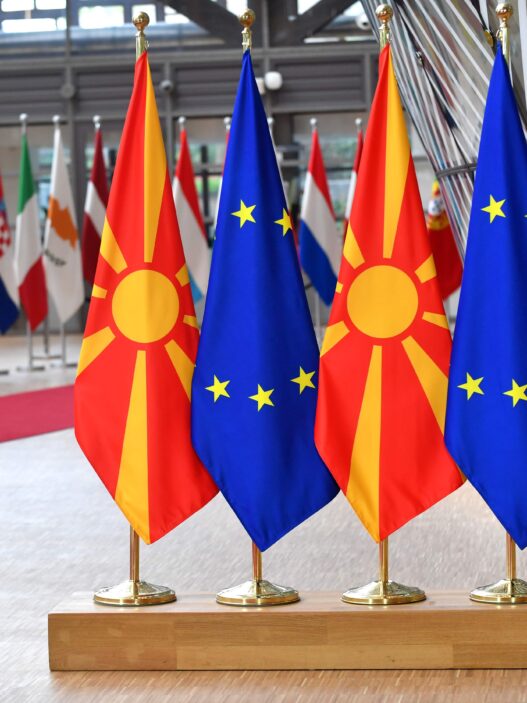
What’s at stake for the EU: If more Eurosceptic parties enter government and act together, they could make it harder to agree on Ukraine aid, EU enlargement and the bloc’s next budget.
Public support remains high: In the European Parliament’s July Eurobarometer, 74% said their country benefits from EU membership, matching the survey’s record.
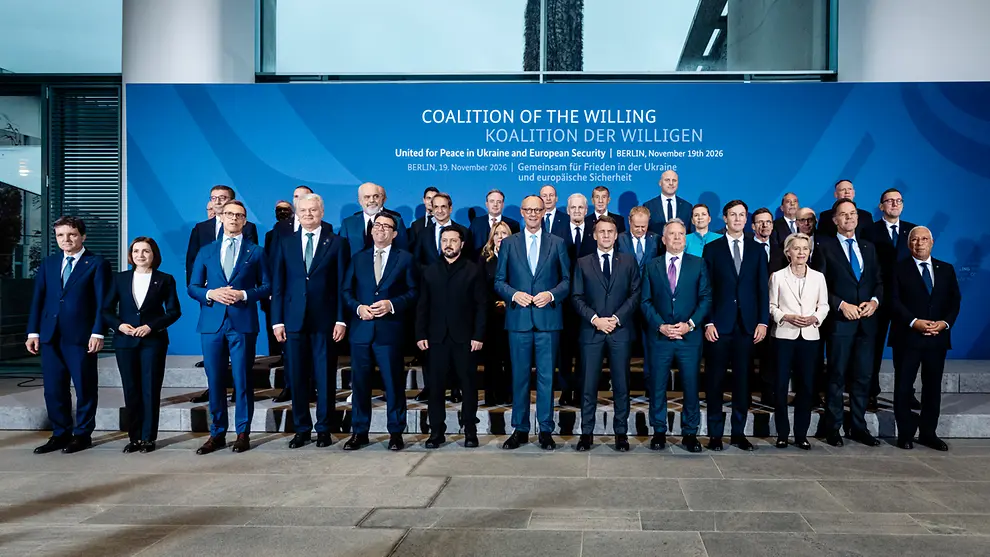
Flexible alliances: If Eurosceptic gains make EU-wide agreement harder, governments could work together more often in smaller, issue-specific groups, as they do in the Coalition of the Willing for Ukraine.
Sources: The Guardian, European Parliament
AI-assisted: Reviewed by the Briefing Team.