













A suspected phishing incident involving the misuse of the European Relations name has recently been reported to us. In this case, an individual using a Russian email address falsely claimed to be a member of European Relations staff.
We would therefore kindly ask all members, contributors, partners, and readers to exercise the usual caution when receiving unexpected emails. Phishing attempts have become increasingly common in recent years, including cases where email addresses may have been exposed through wider data breaches affecting third-party providers.
Please note that the official email addresses of European Relations use only the following domains:
- @europeanrelations.org
- @europeanrelations.com
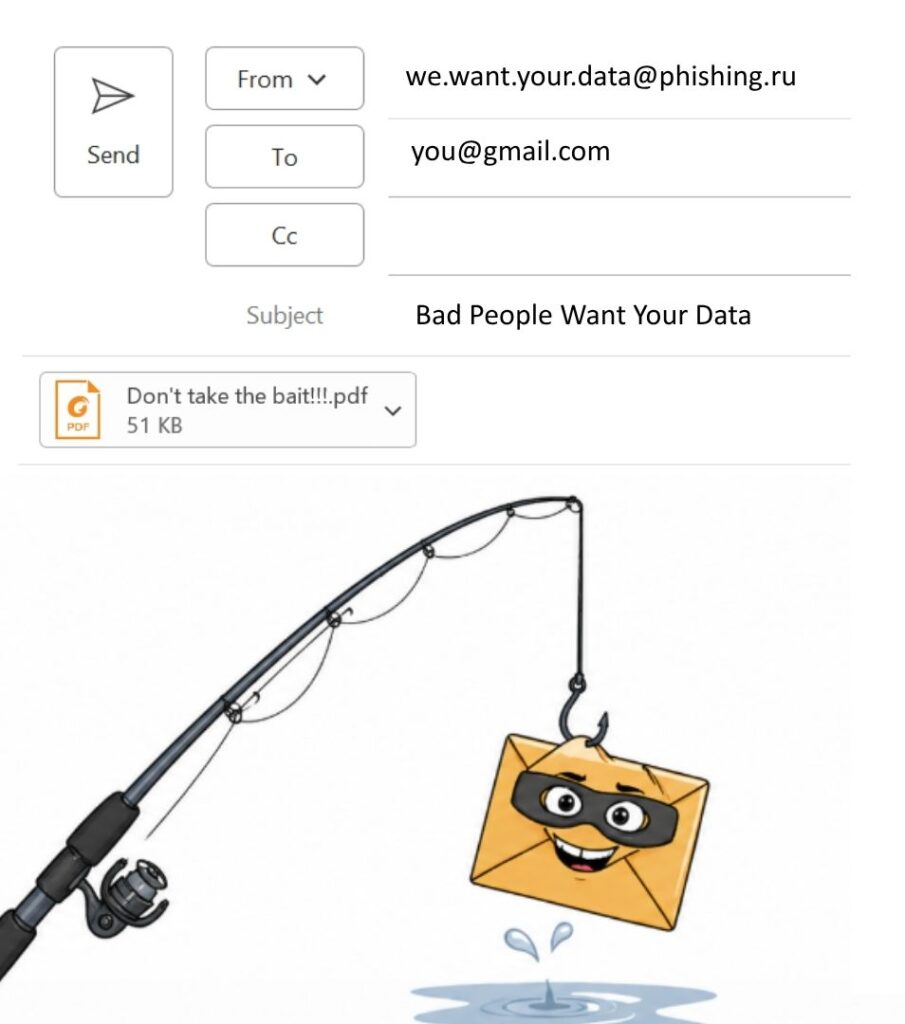
If you receive an email from any other unfamiliar address where the sender claims to represent European Relations, we would appreciate it if you could report the matter to us using the form below. Please include the sender’s email address and a short description of the incident.
As a general rule, links or attachments contained in suspected phishing emails should not be opened. In rarer cases, malicious code may also be embedded directly within email content.
The European Relations Association documents suspected phishing incidents and, where necessary, may liaise with relevant law enforcement authorities.